Mission 1000 Tonnes
12 sailors and 23 Garifuna collect plastic at East End Beach on the Cayos Cochinos
By Renate Rüger, May 6, 2026
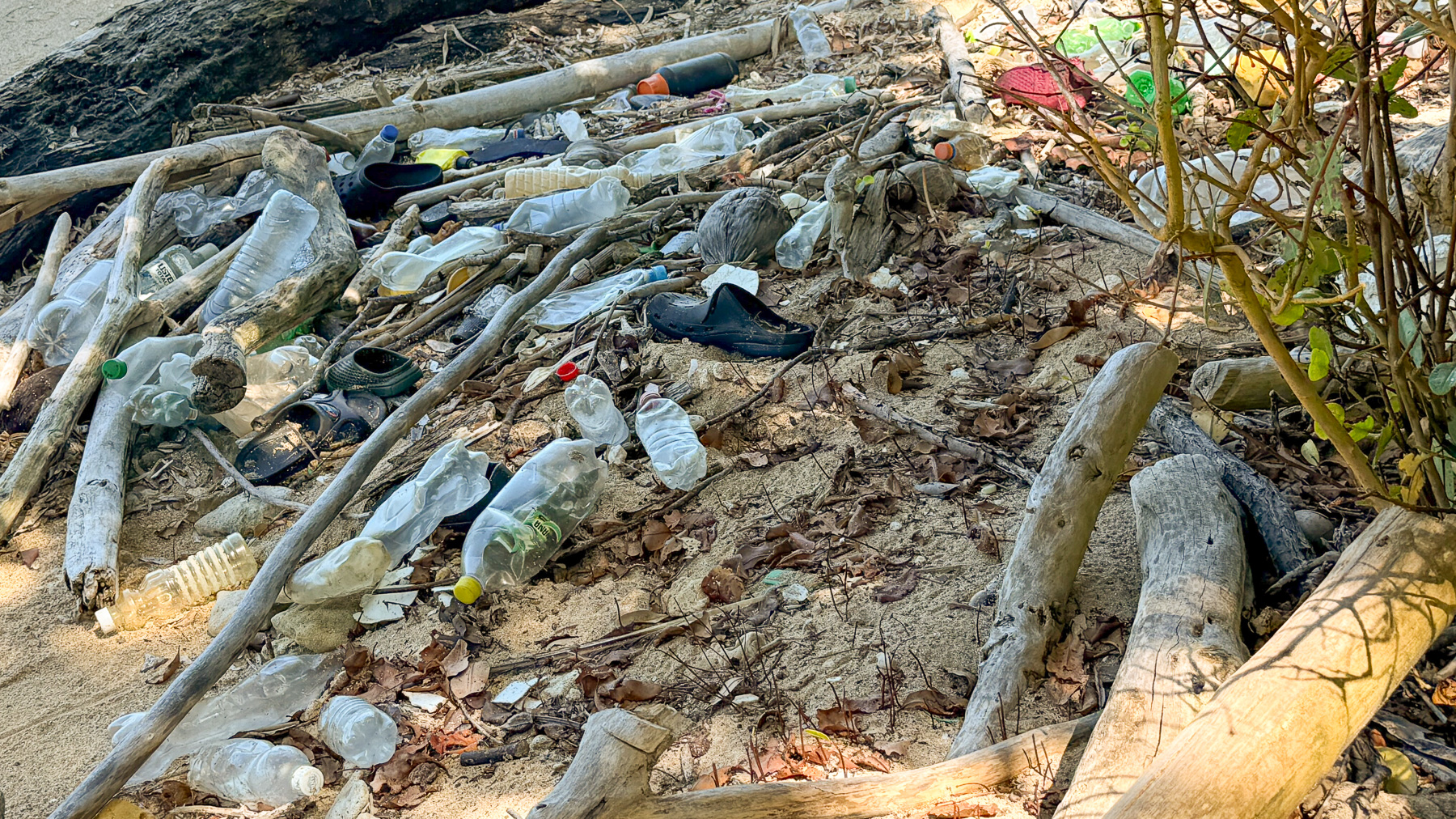
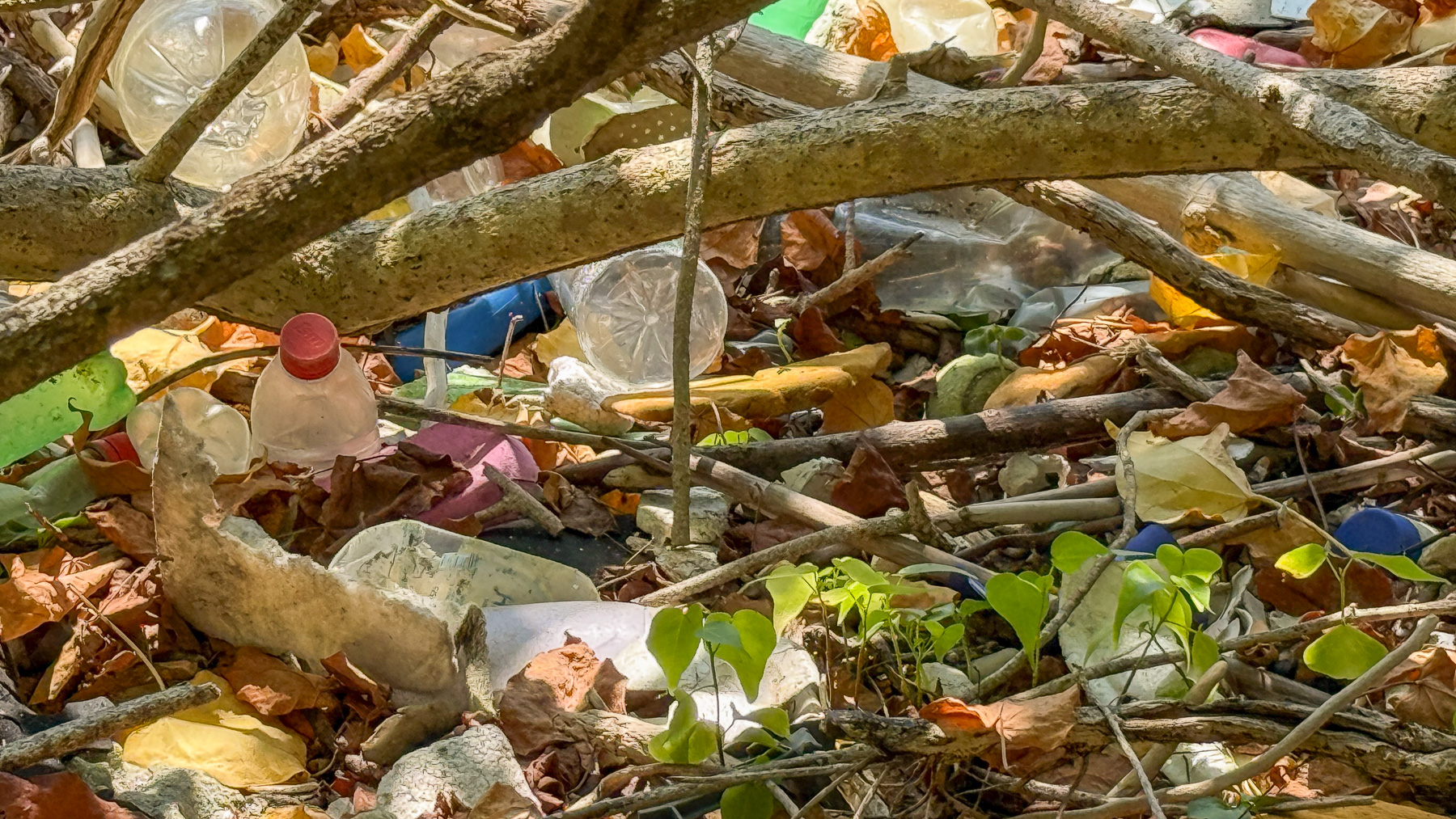
Clear plastic water bottles, black and silver plastic bottles still containing oil residue, small bottles in red or yellow, flip-flops and sandals just as colorful, and on and on… The plastic pieces pile up on the beach of Cayo Mayor in some places as if someone had already gathered them there. But scattered throughout the brush is also plenty of poorly biodegradable waste—dark spots in paradise, on an archipelago that belongs to the Meso-American Barrier Reef, the largest barrier reef in the Americas and the second largest in the world.
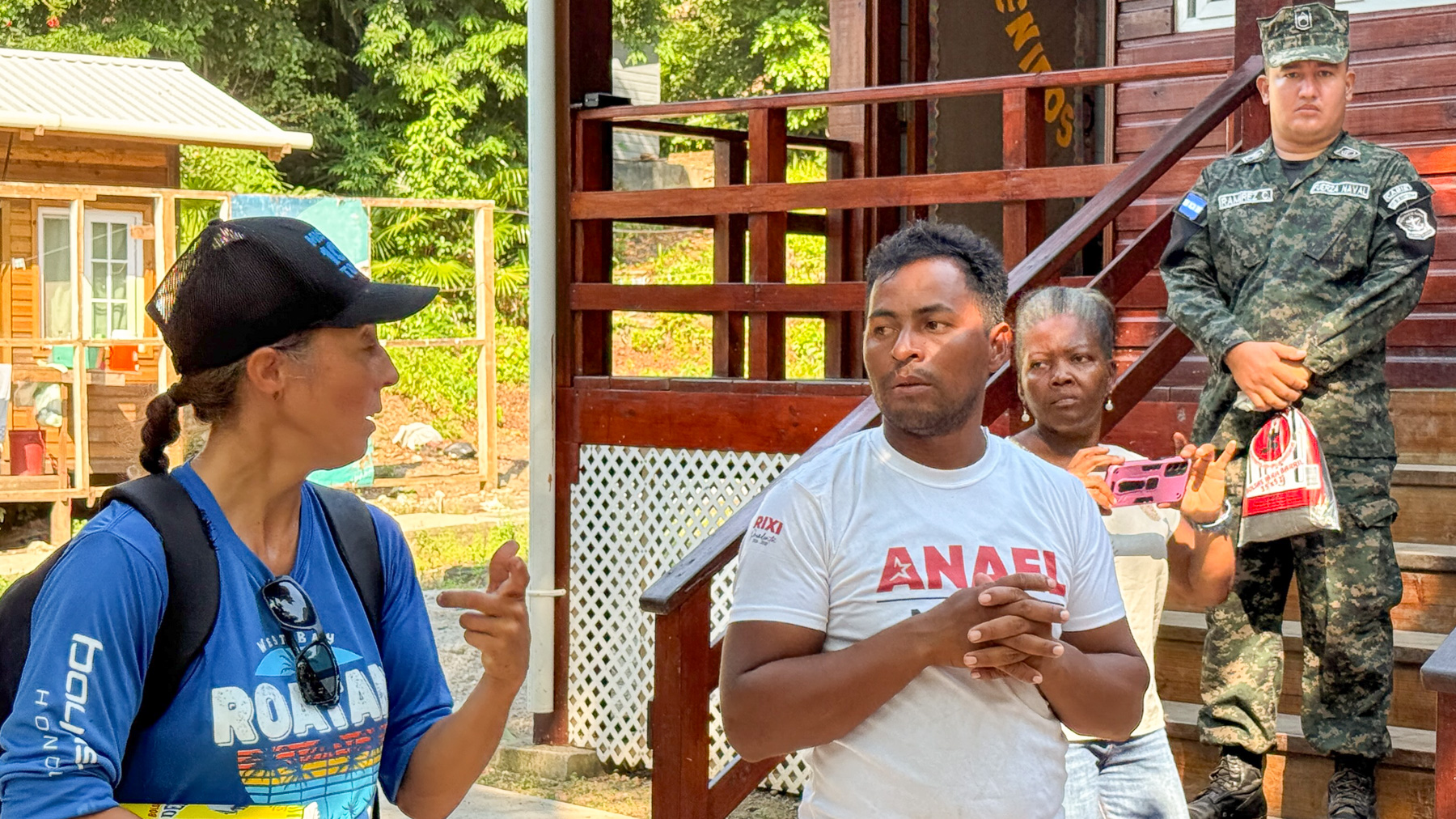
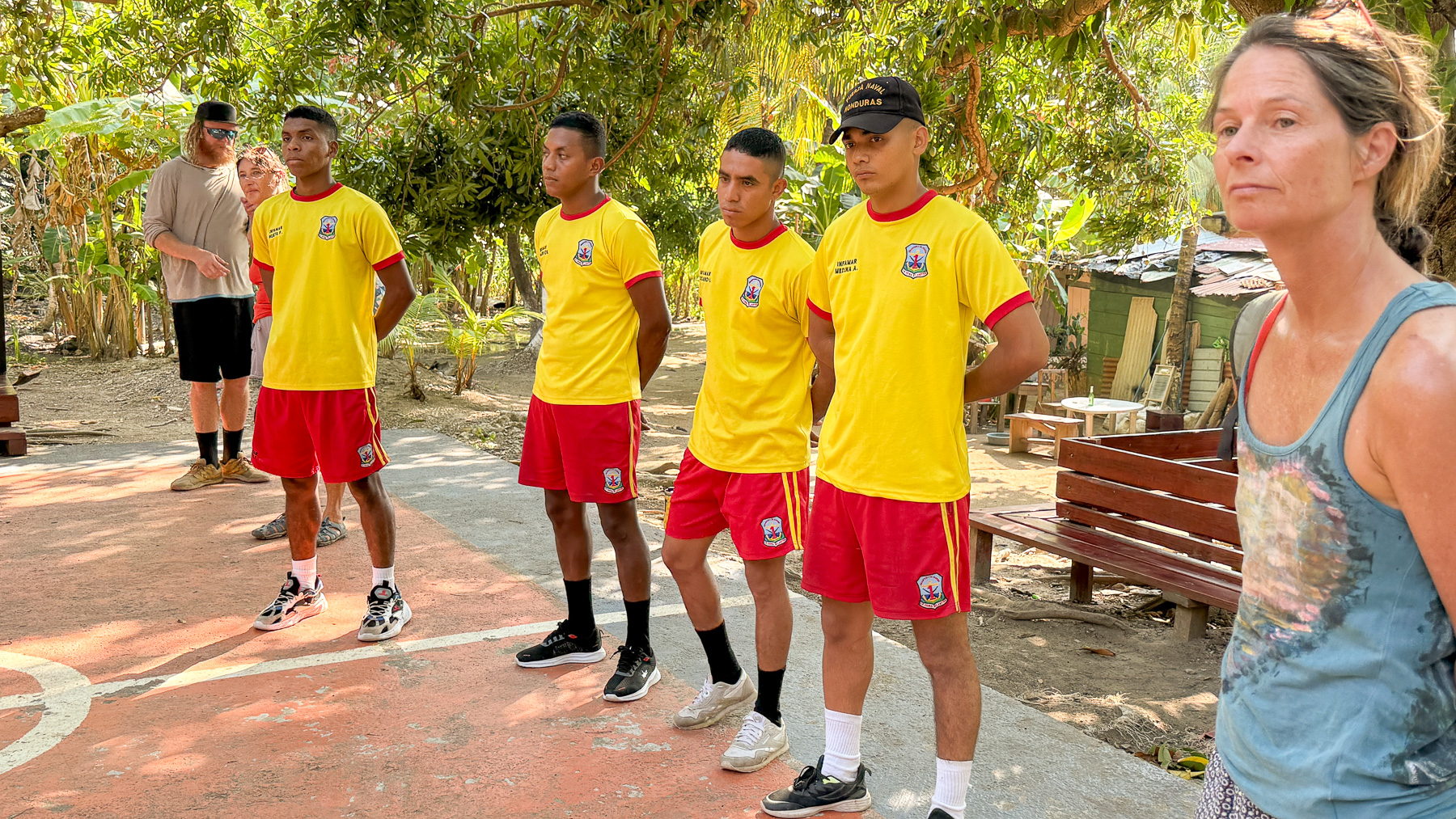
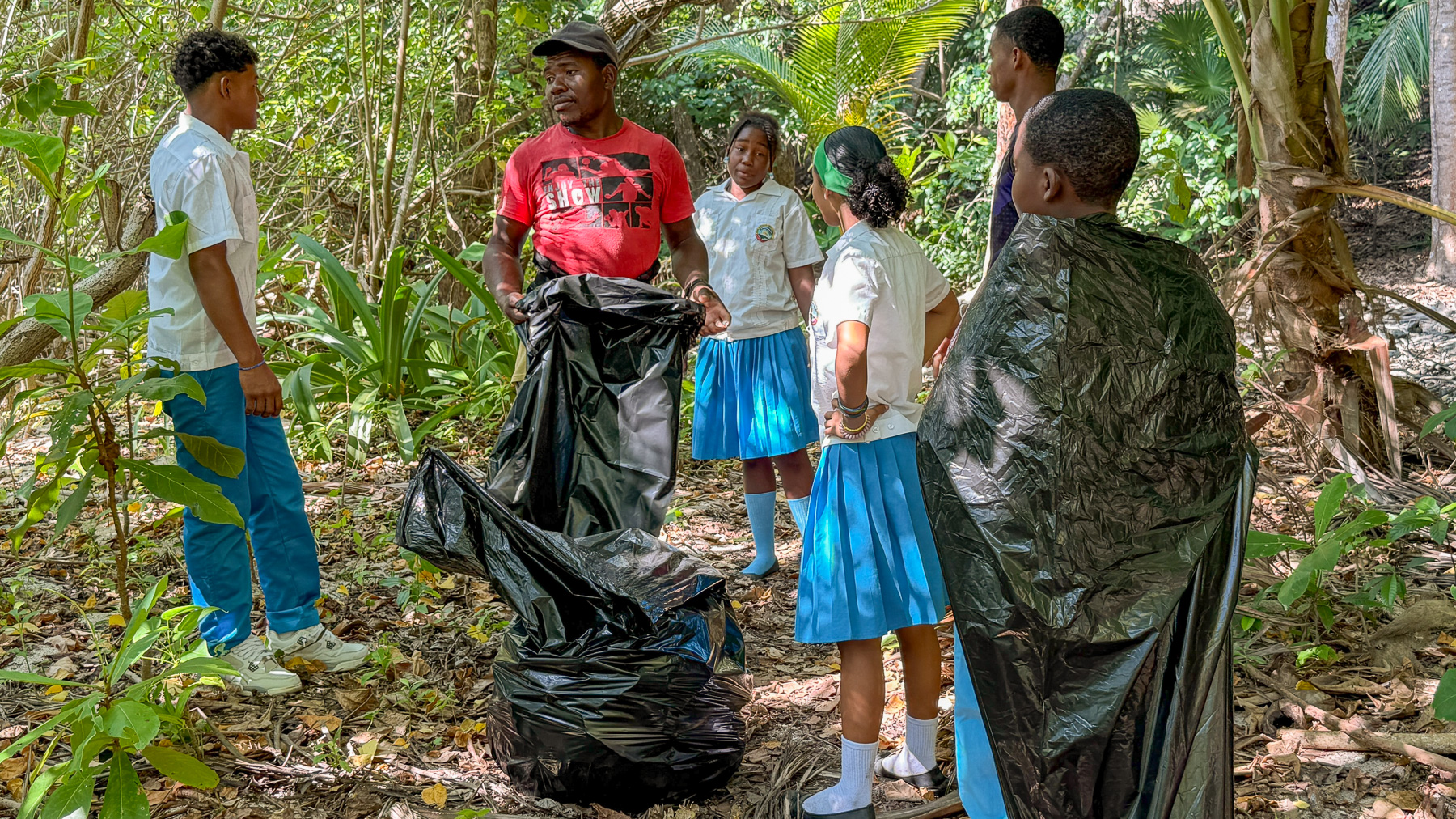
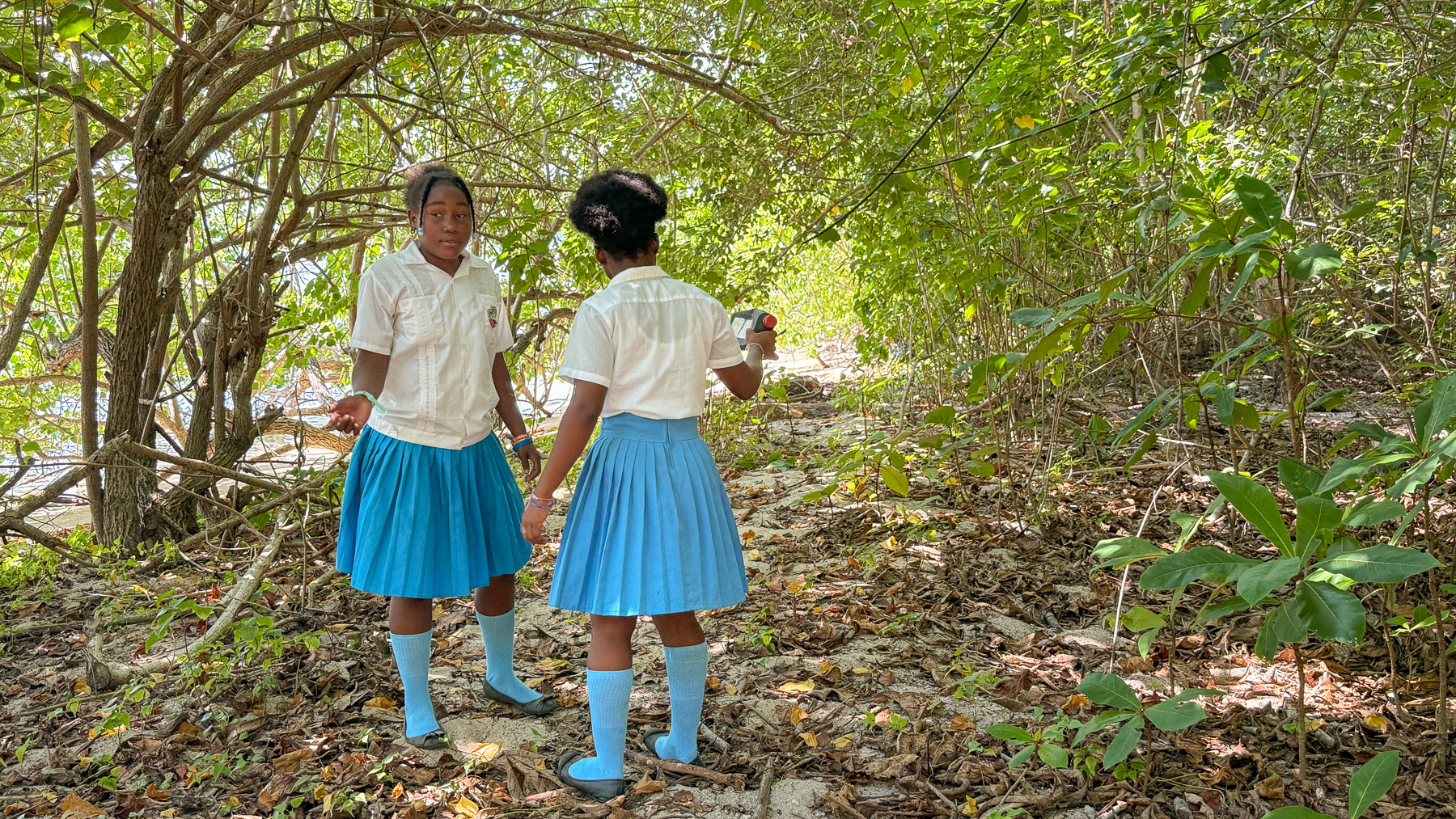
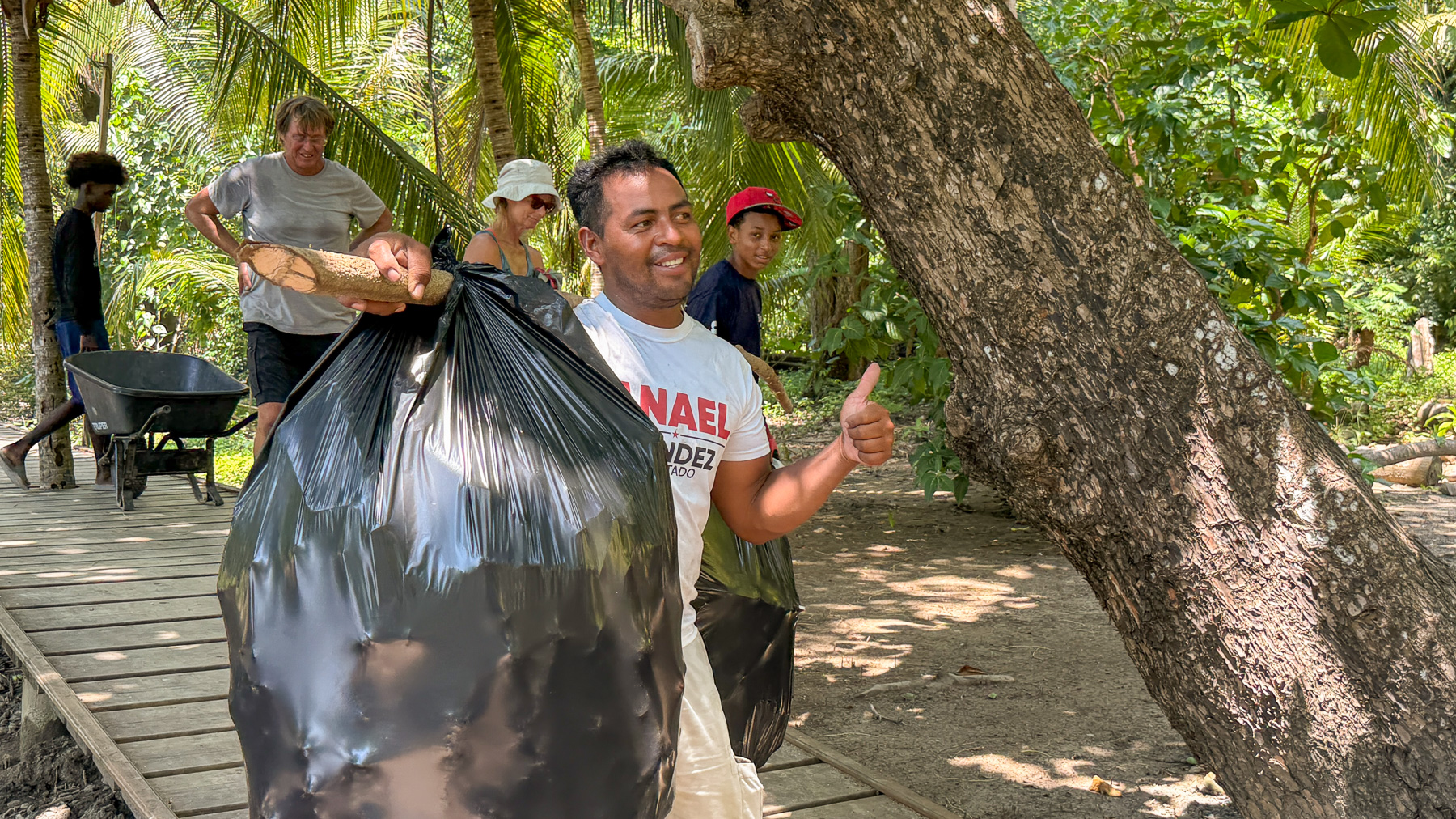
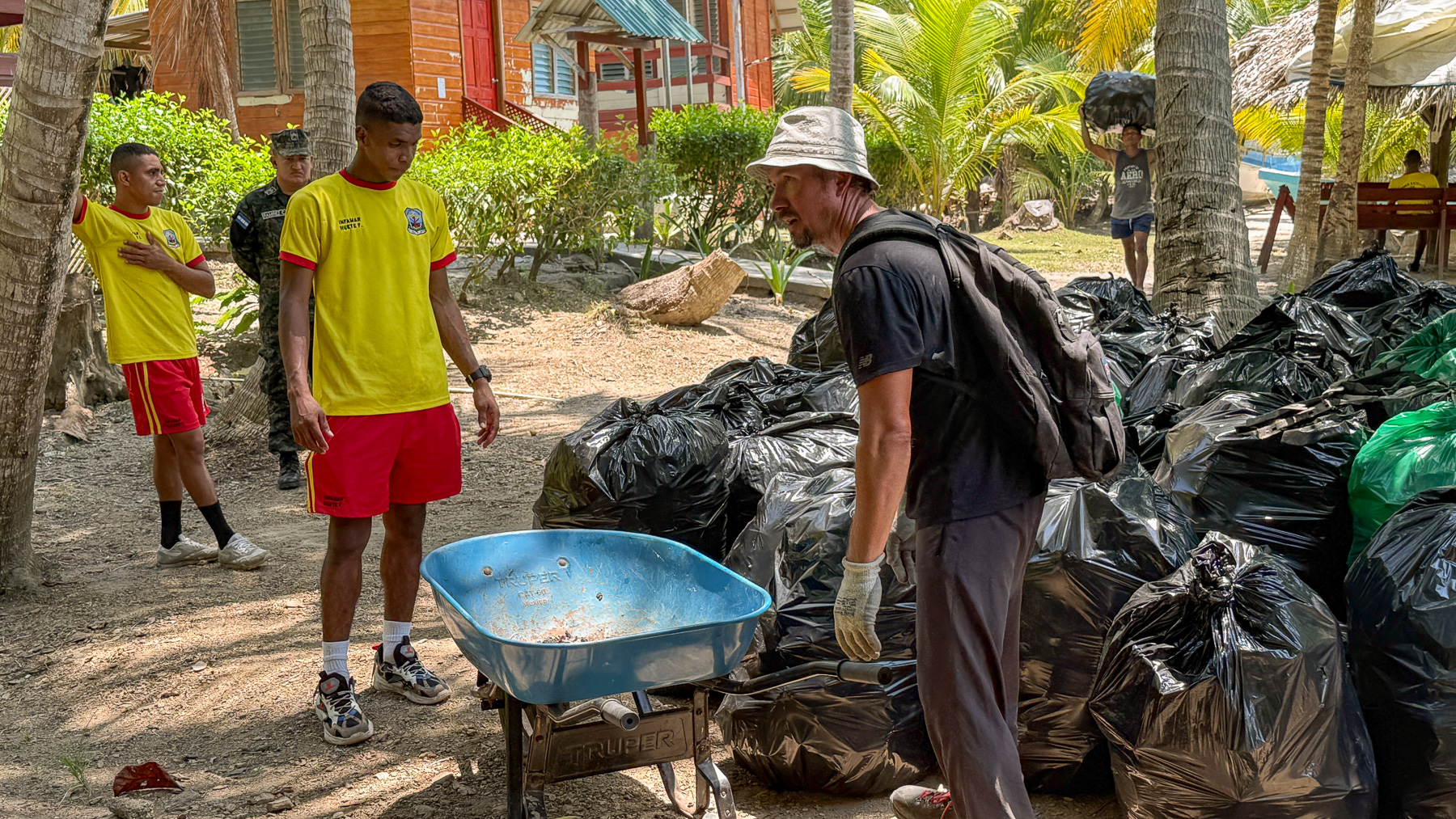
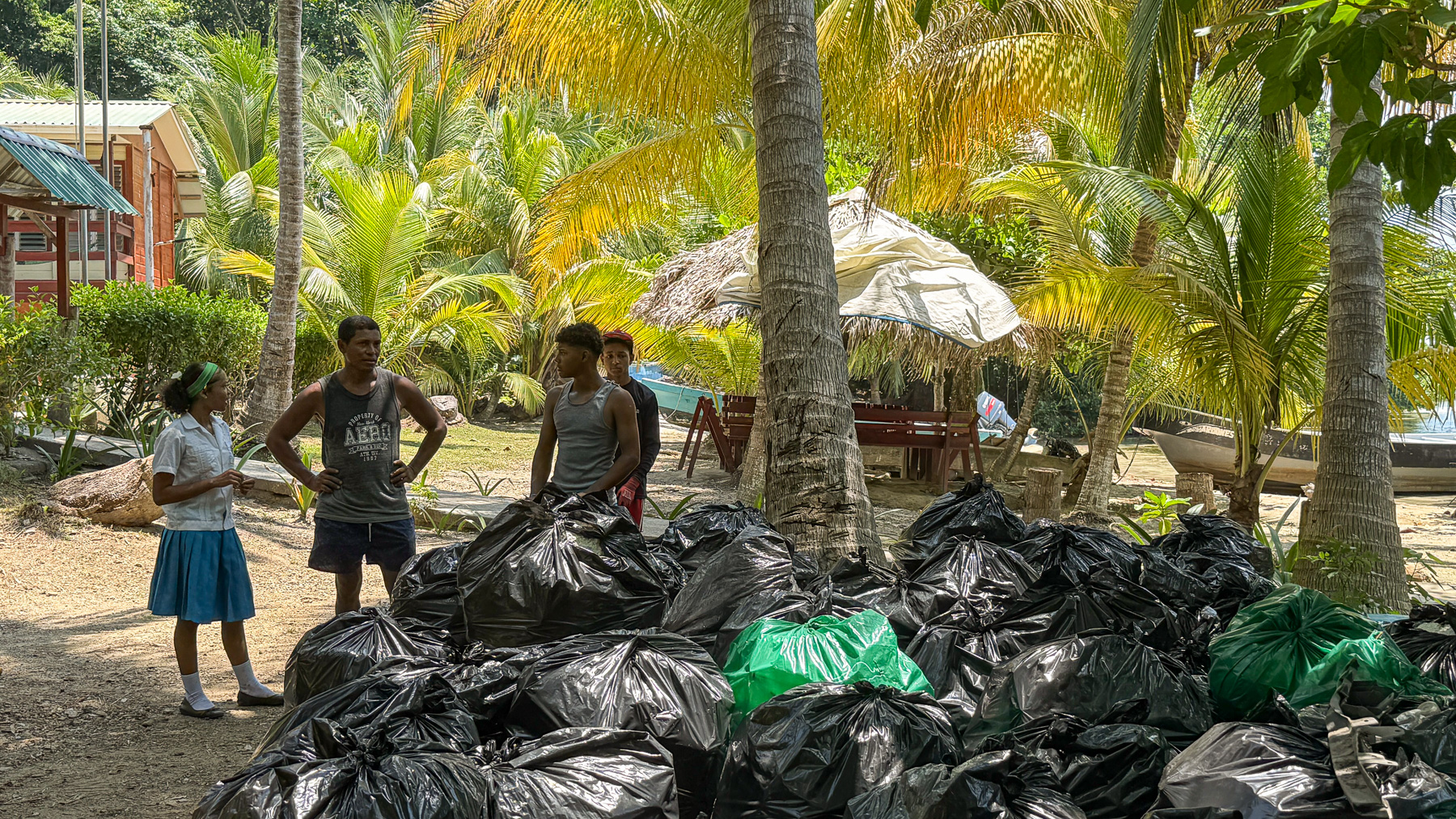
Only part of all this trash comes from the Garifuna who live on the Cayos Cochinos. Much of it has washed ashore. “You have to keep telling the locals that so they don’t feel ashamed,” says Melanie from the Canadian initiative “Mission 1000 Tonnes.” Together with her husband Eric, she has rallied 12 sailors and 23 locals to clean up the beach of the village of East End. Schoolchildren are taking part, and even members of the Honduran Navy, sent over by the rangers.
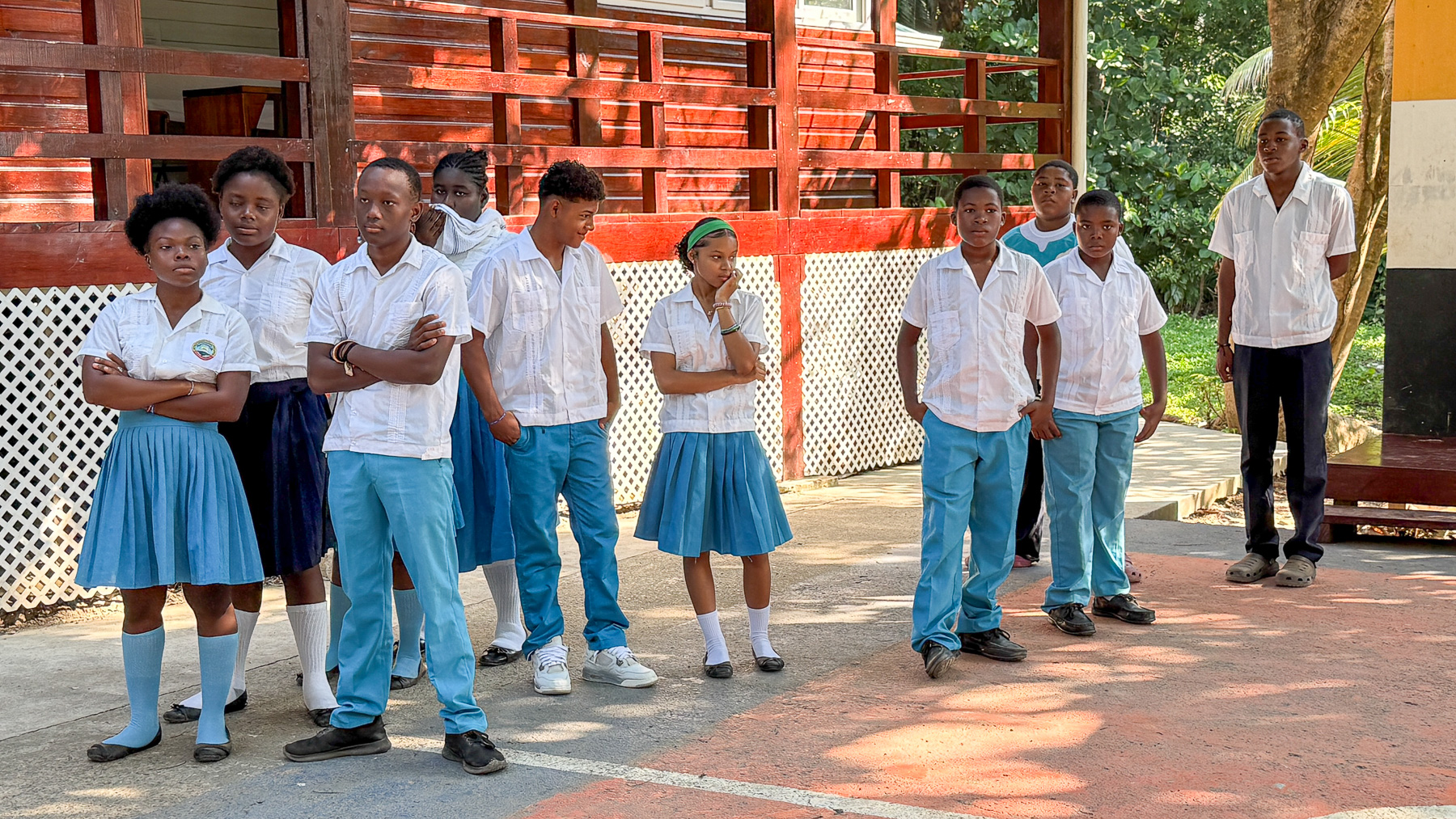
C’est ensemble qu’on va changer le monde! is the motto of Mission 1000 Tonnes. Together we change the world! The initiative aims to pull 1000 tons of trash from the world’s waters. Melanie points to an empty plastic bottle. “Do you know how many years it takes for this to break down?” she asks the children before the effort begins. “One year,” a girl answers. “Five,” says a boy. Melanie shakes her head. “No, about 450 years! Can you imagine that? It takes about 450 years for a plastic bottle to break down through sun, wind, and water. That’s much, much longer than a person lives.”
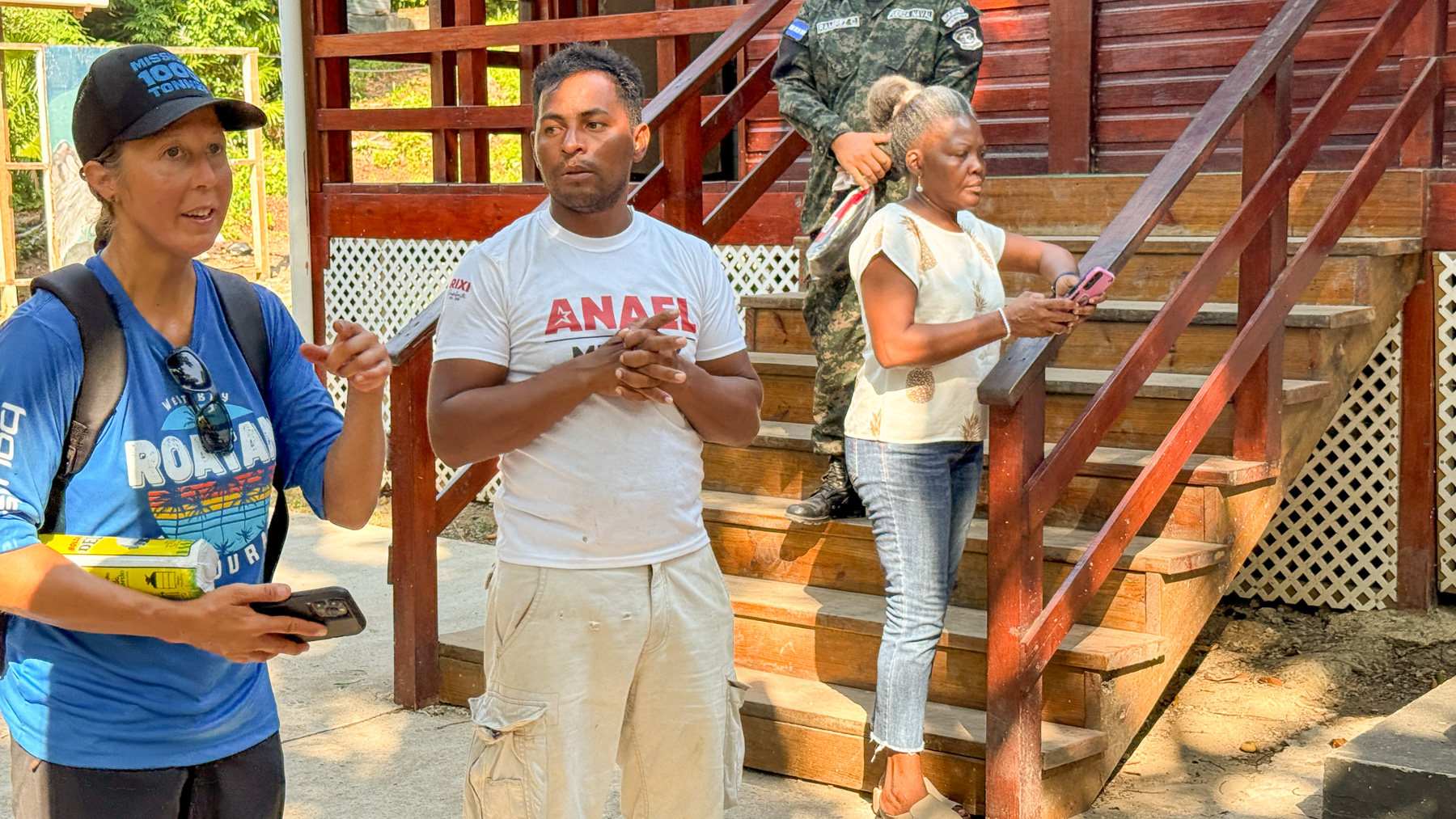
It’s an attempt to make people understand that plastic is never completely biodegraded, that harmful particles enter the environment and the food chain—in other words, how dangerous it is to simply throw plastic bottles into the bushes. Actions like this take place in many locations, including Utila, where the grassroots movement “Utila Island Cleanups” is active.
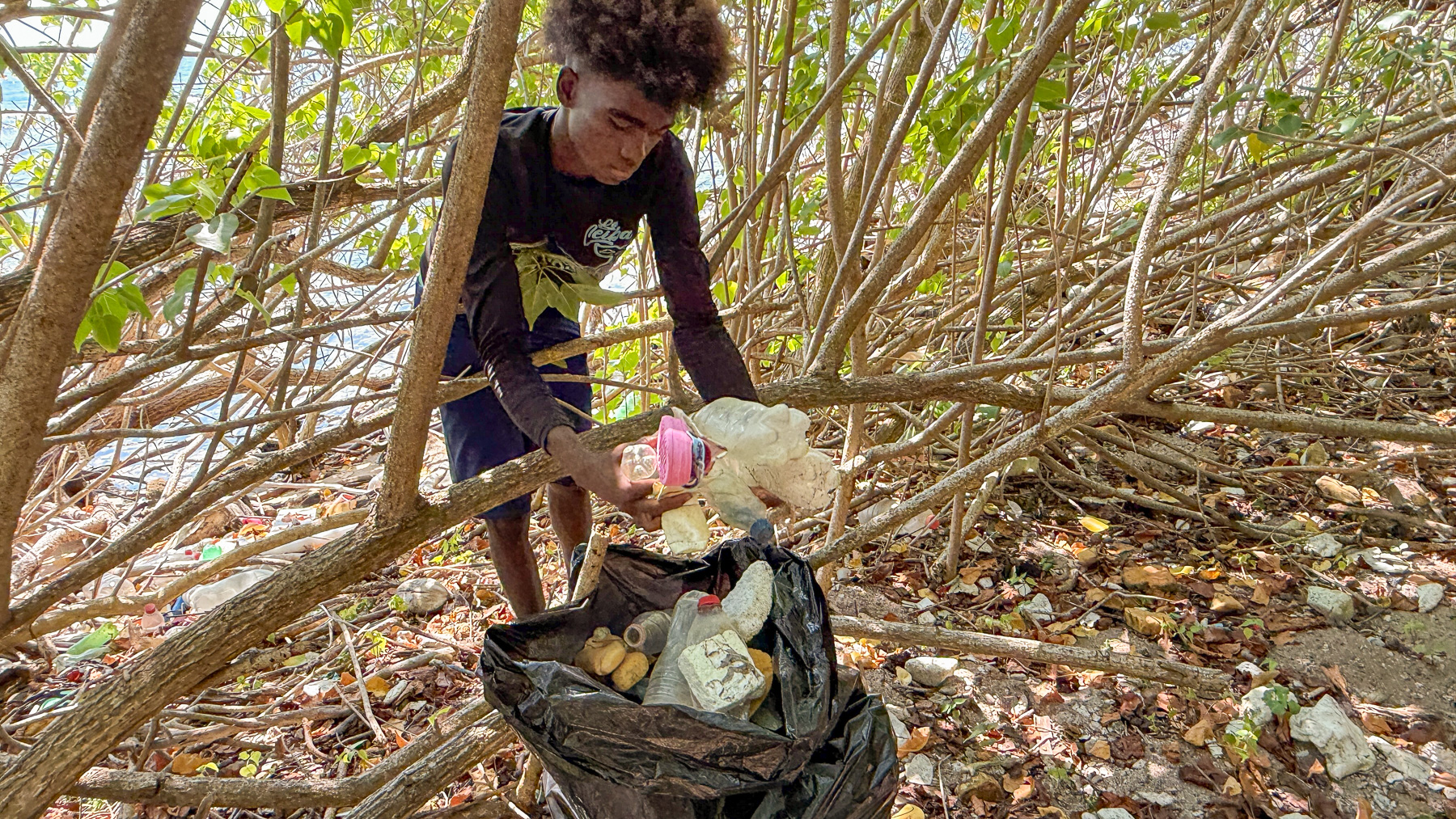
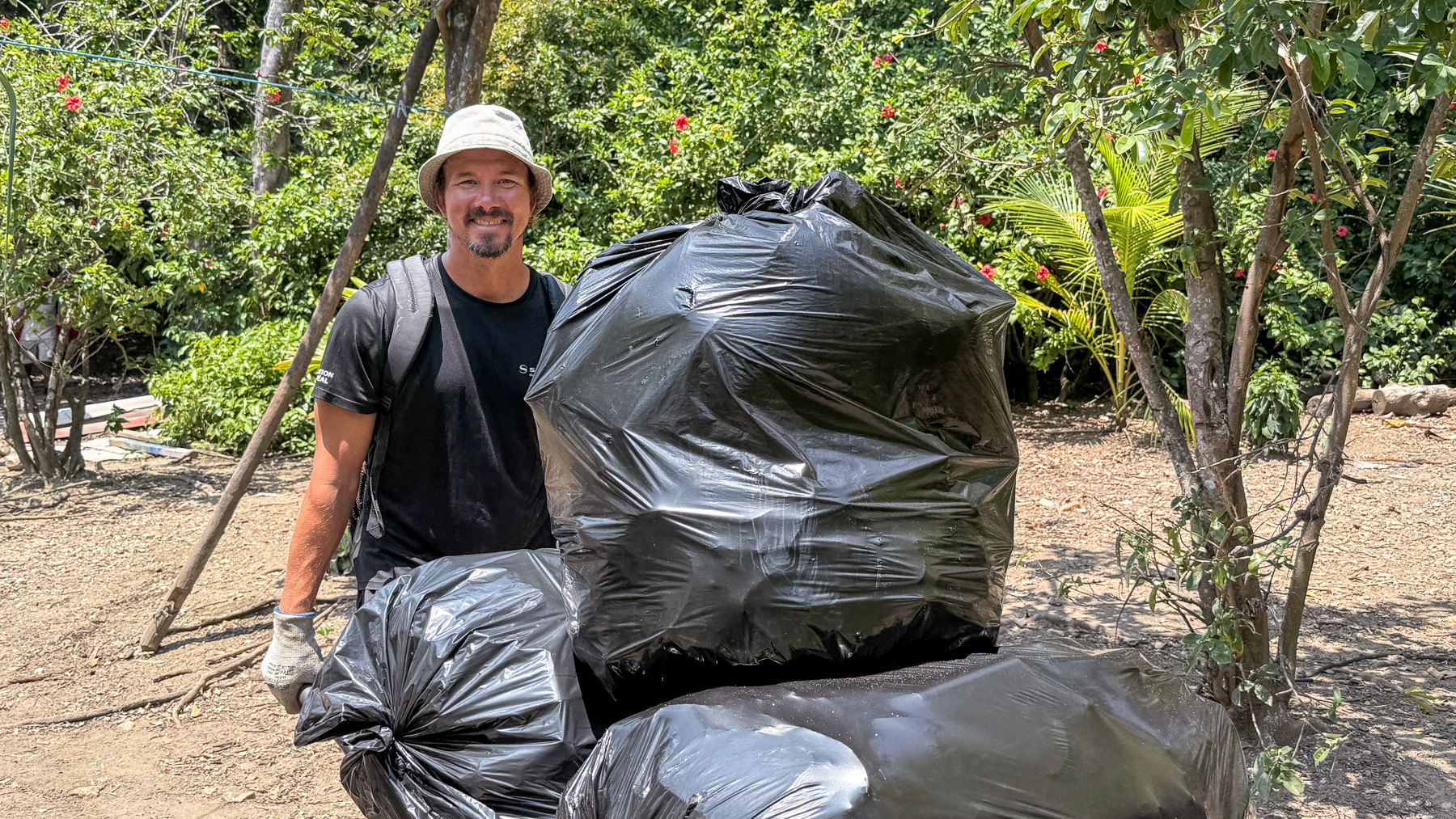
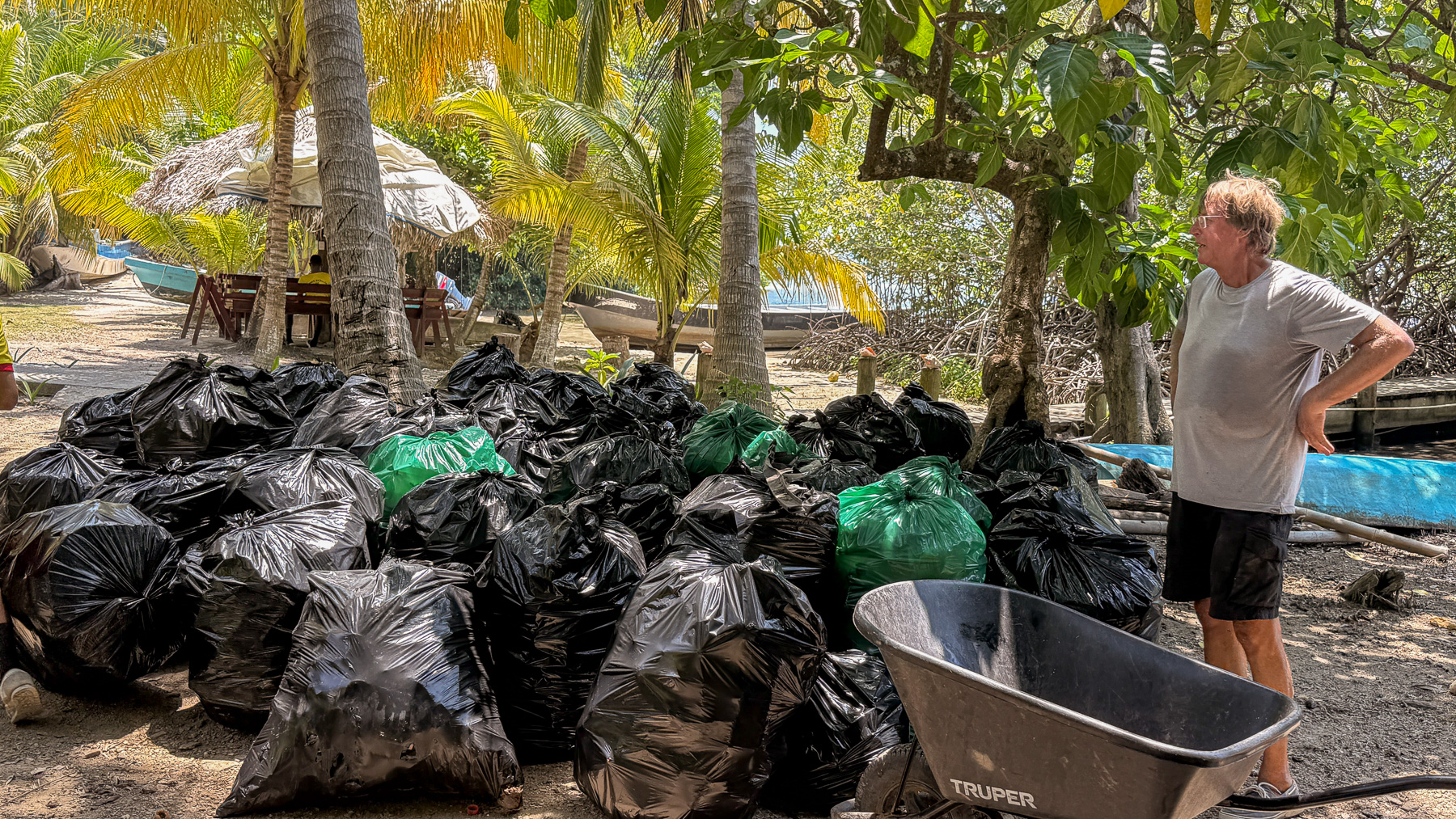
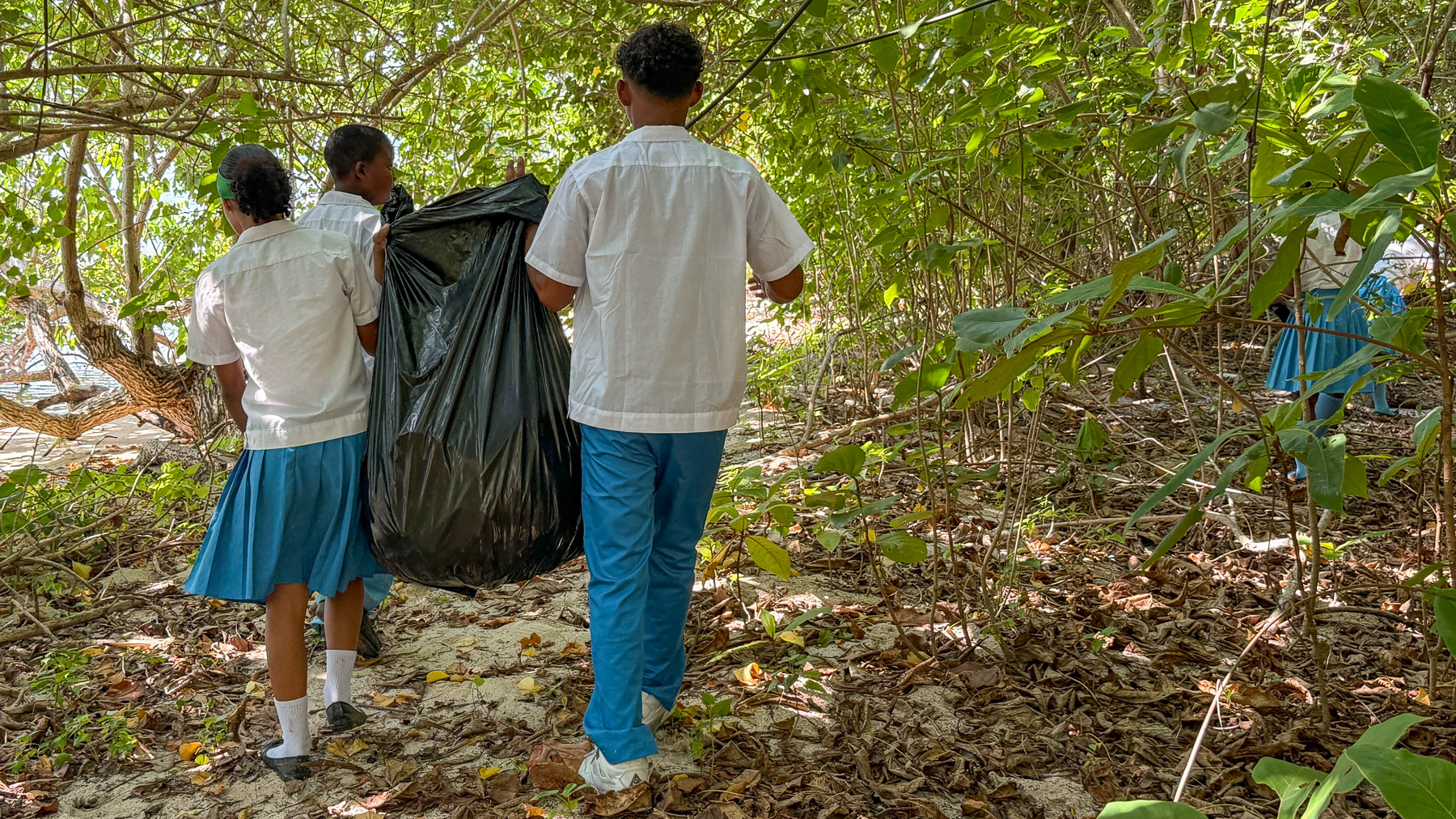
Off they go. In some spots on the beach, the trash collectors hardly need to move. There’s so much plastic piled up that they just need to stuff everything into the trash bags until nothing more fits. In other places, more crawling work is required. The girls’ blue skirts and white blouses shine here in the thicket, there in another spot. The boys in their school uniforms are just as easy to spot in the bushes, as are the Navy soldiers in their yellow shirts. The sailors and other trash collectors are less conspicuous but no less active. By the end of the morning, everyone has collected 1020 kilos of trash, as Melanie proudly announces. It will be transported by boat to the mainland for disposal.
On the way back to the anchorage, the sailors walk along the coast and enjoy the wonderfully clean beach. But then: piled-up plastic bottles again, flip-flops, foam… Only when the trail leads upward does nature appear less threatened by poorly biodegradable plastic. At the destination, Cayos Cochinos Marine Park bay, nothing is lying around. The sailors enjoy the view of their boats anchored there.