Eating with the Garifuna
In the fishing village of Chachahuate, entire families cook for day-trippers from the mainland
By Renate Rüger, May 2, 2026
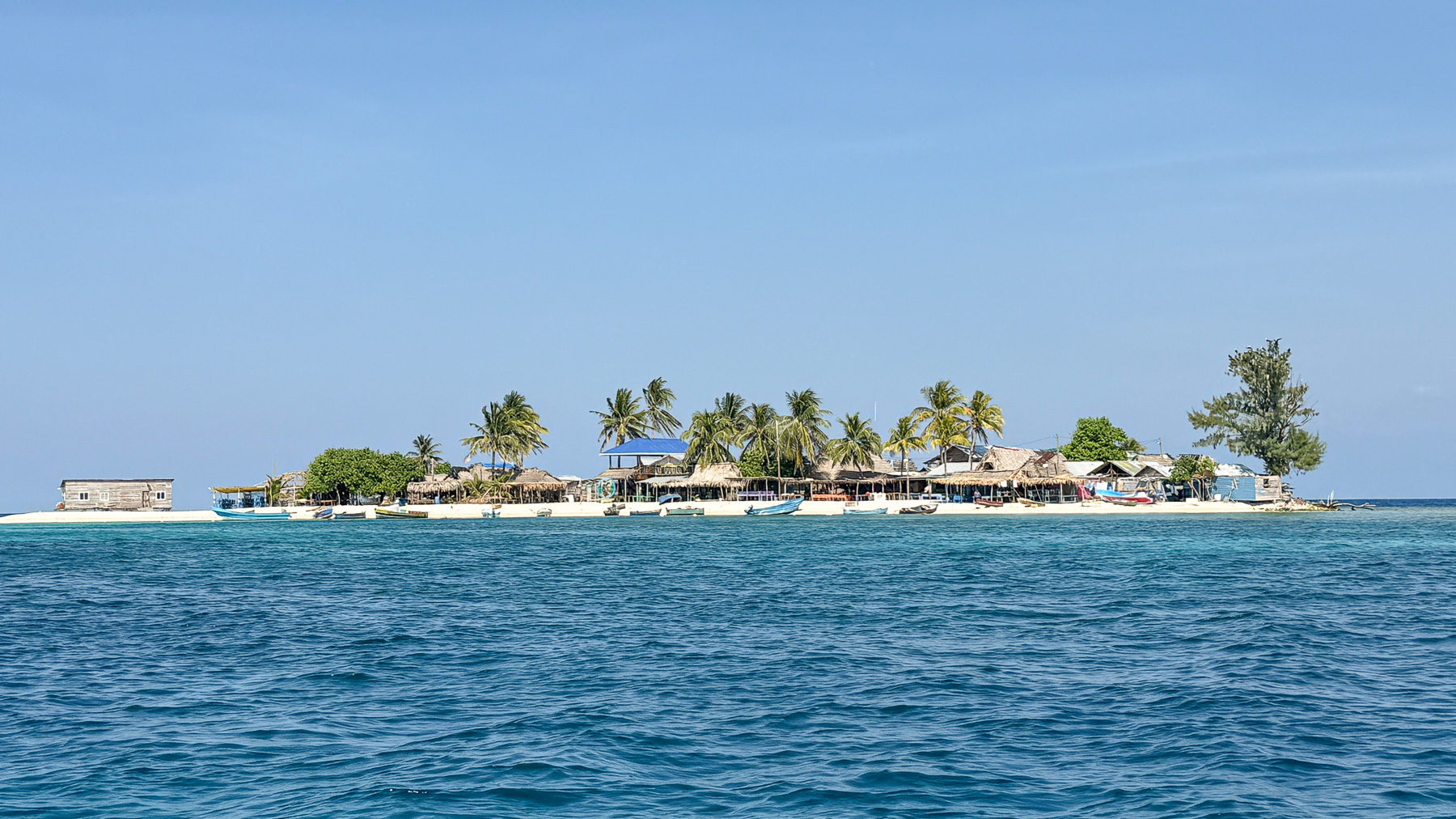
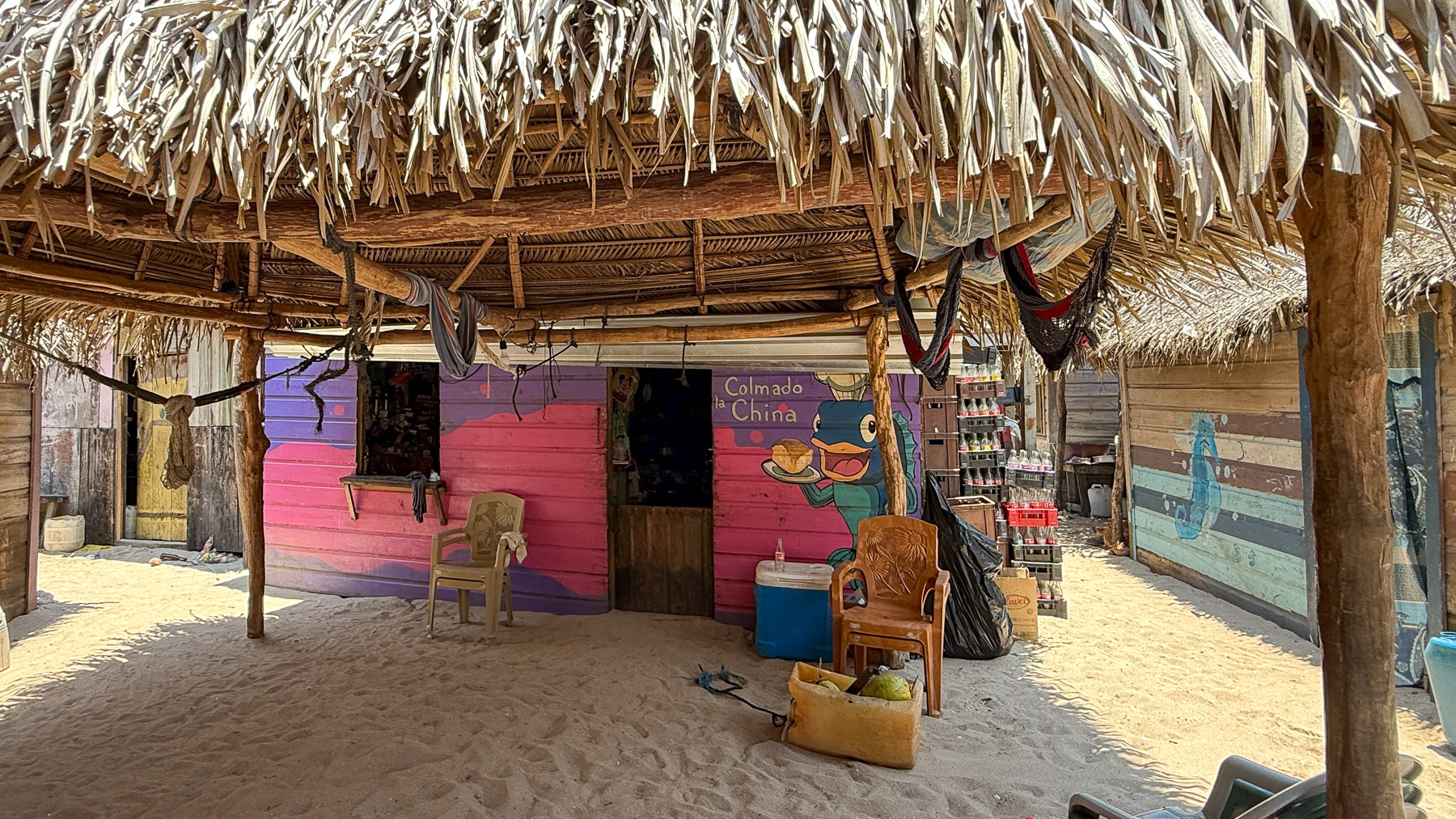
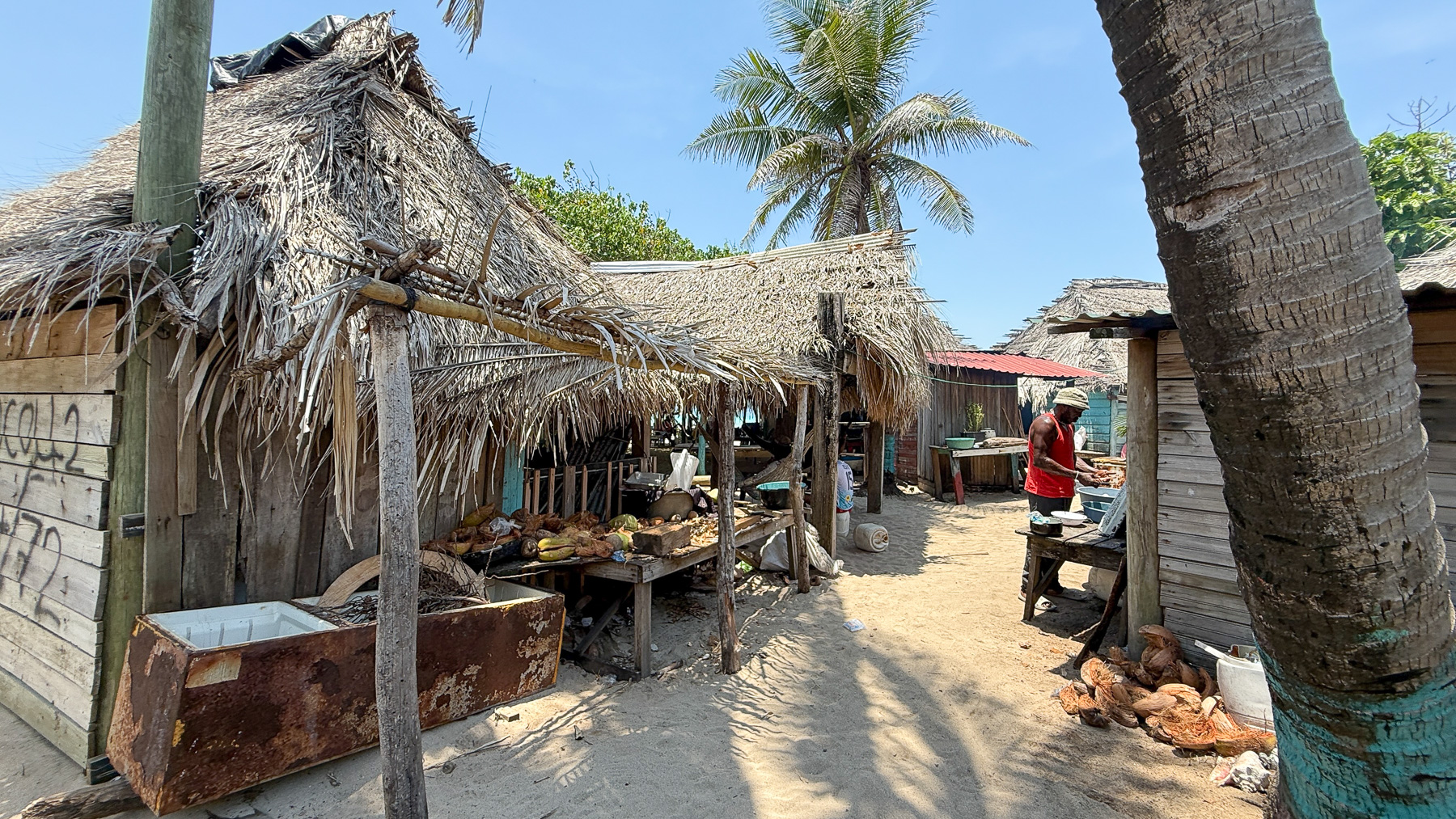
Stock up if you’re heading to the Cayos Cochinos! There’s nothing to eat there, other sailors had told us on Utila. But here on site, we find a small coral island with an entire row of restaurants: Chachahuate, where most of the roughly 250 Garifuna on the Cayos Cochinos live. It’s quiet when we pull our dinghy onto the sandy beach around 11:30 AM. The long, sun-shaded wooden tables of the eateries are still empty. But that changes rapidly over the next half hour. More and more lanchas—wooden boats with outboard motors—arrive from the mainland at Sambo Creek or from the island of Roatán, more and more people take their seats, and we, who haven’t reserved a spot, have to move to the next available table again and again, only to be displaced once more later. Tourist organizations seem to have everything under control here.

Fish, Plantains, and Coconut Rice
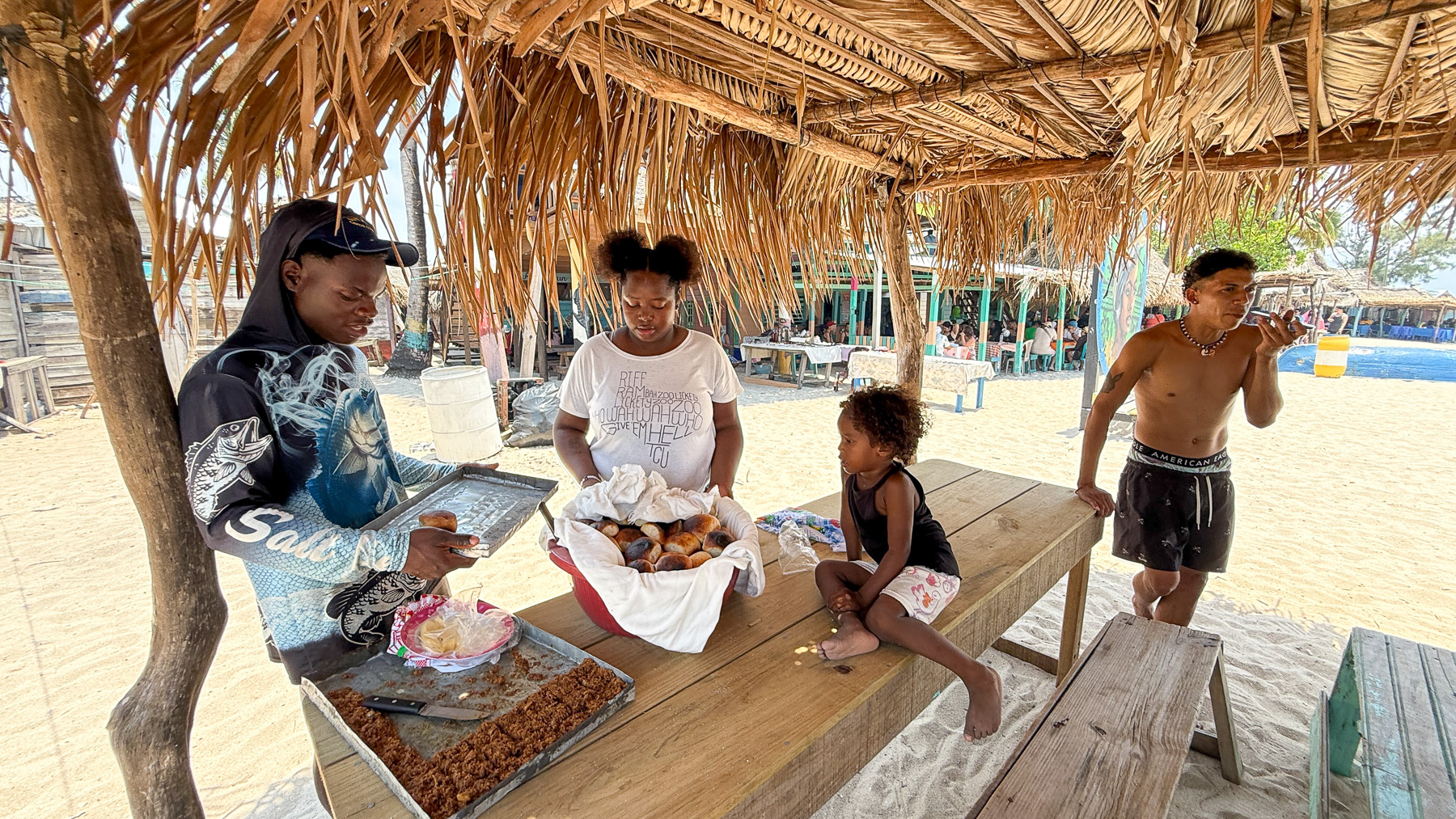
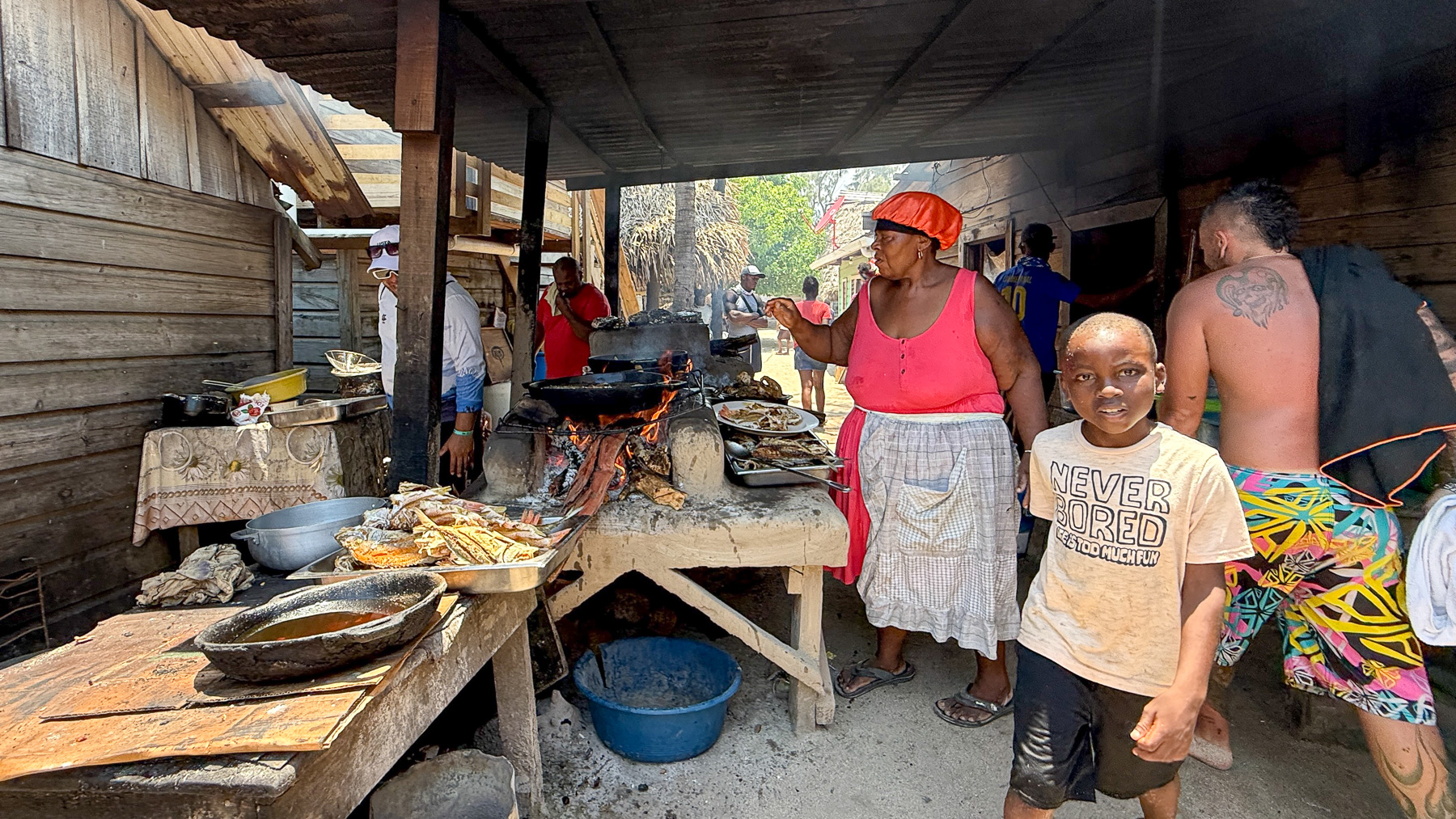
Behind the huts of the “restaurant row,” entire families cook huge amounts of fish, plantains, and coconut rice with beans. Here, red snapper sizzle in several pans over open fire, there plantains are sliced and tossed into pots for frying, and right next to that, crabs steam in a garlic sauce. Men and women carry large bowls piled high with finished fish and bananas to the front. The whole village seems to be cooking and helping with the “feeding of the beasts” at the tables.
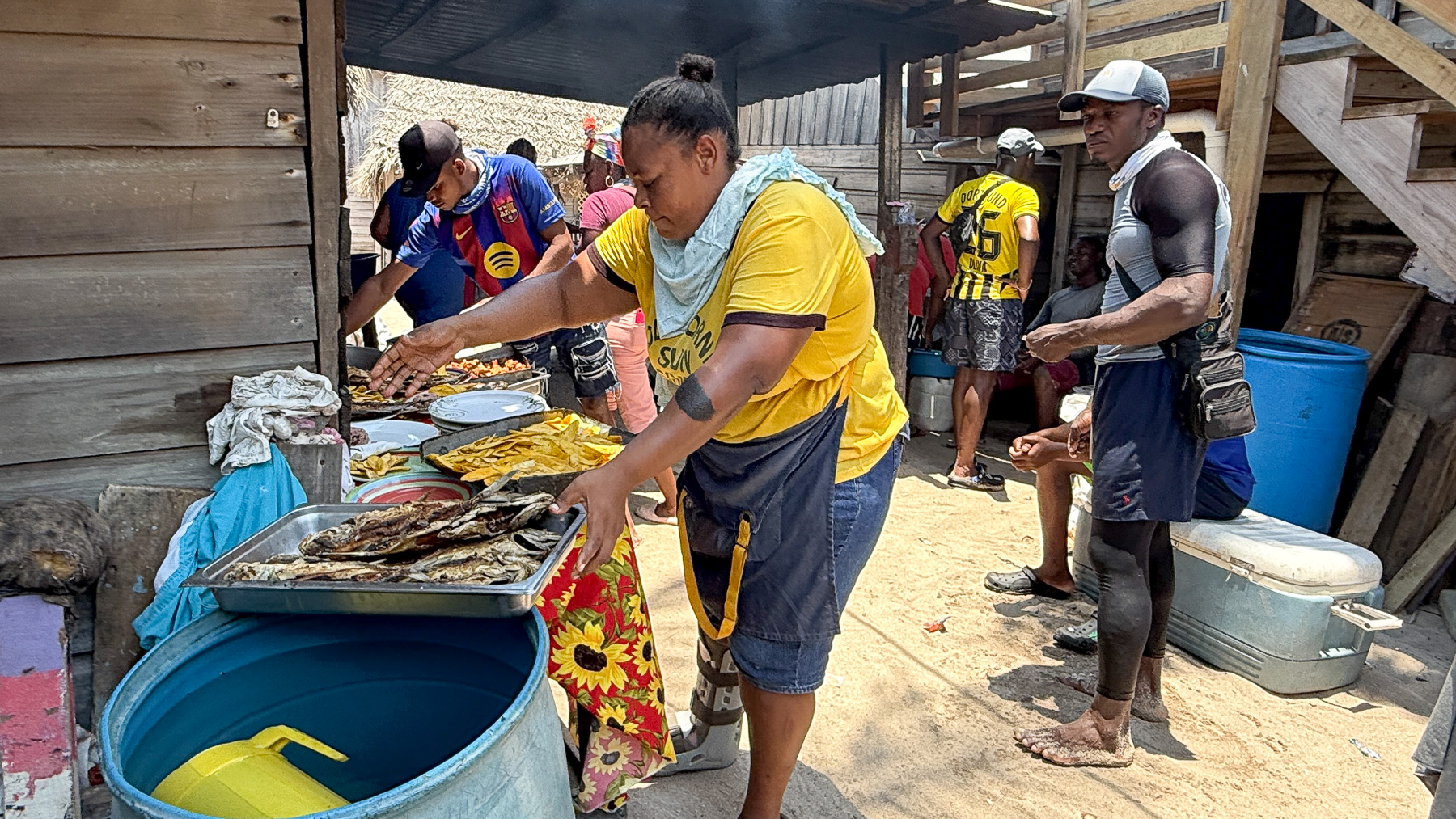
All the dishes are simple, featuring the famous “Caribbean trinity”—coconut, plantain, and fish. But they taste good. I only have bad luck two days later when I order hudut, the traditional Garifuna fish soup with coconut milk. Normally, a dough made from mashed plantains is served alongside, formed into balls and dunked into the soup. The fact that it’s missing is already cause for concern. But what do we expect here? There’s a big event on the mainland, so only one lancha came this time, and all the restaurants around us are closed. Only one Garifuna woman says she can cook something for us. And that’s already great, even if the fish soup, crabs, and conch (large sea snail) aren’t fresh. After all, it’s a kind of holiday.
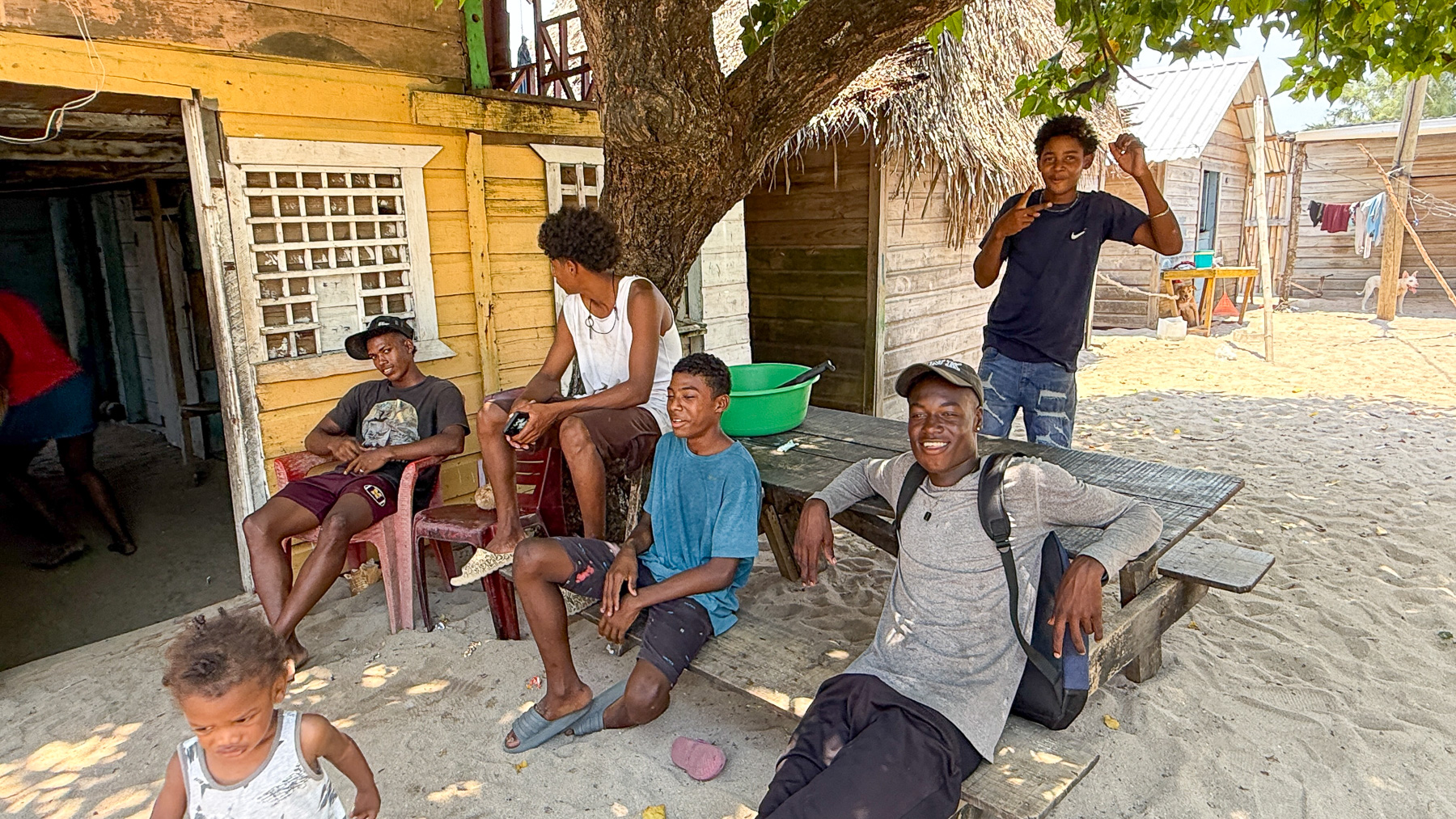
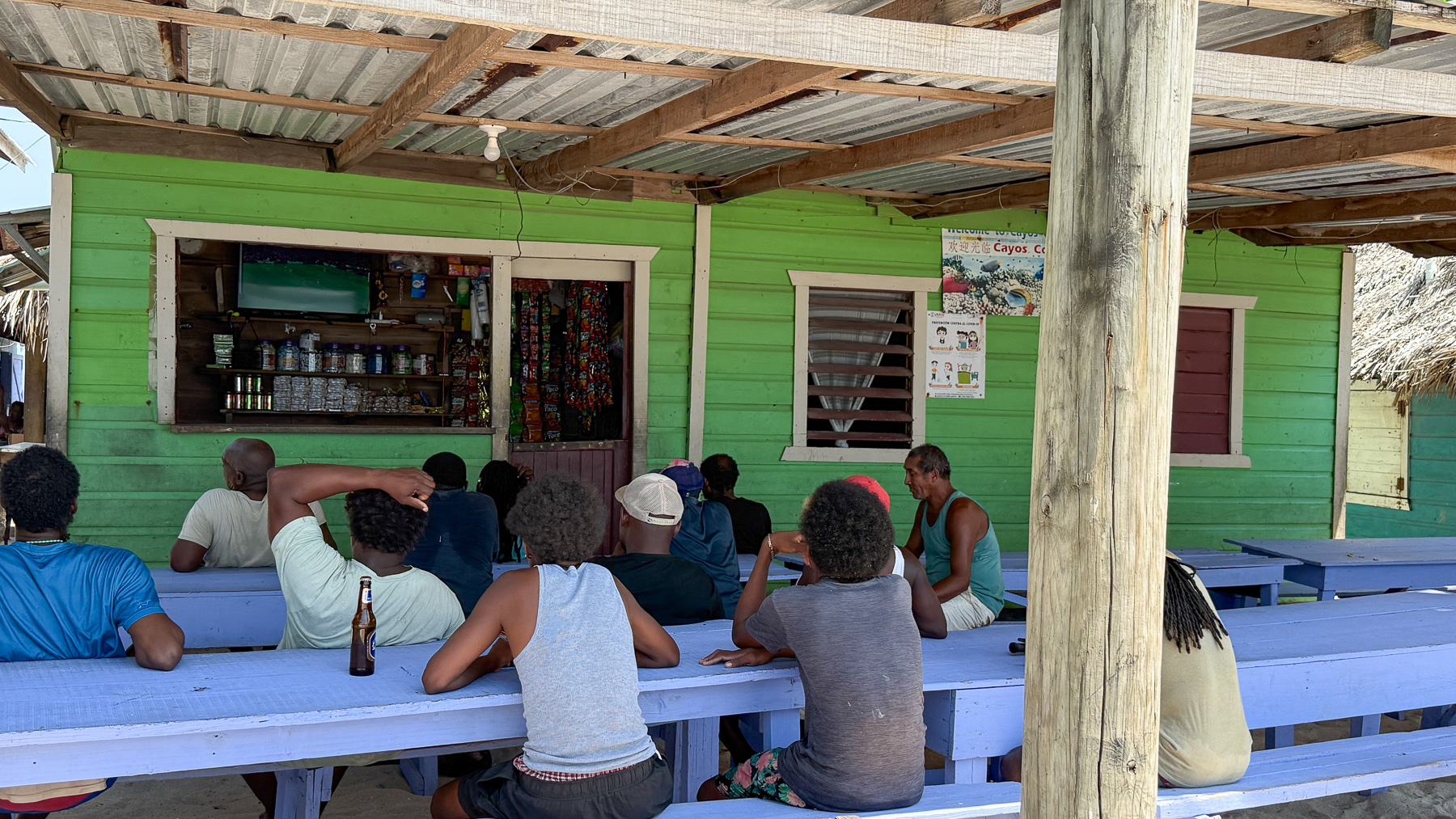
On Chachahuate, the Garifuna live from the tourists, who are their biggest source of income. Only this way can they afford a generator for electricity and even watch soccer together on a television. Without fishing, neither would be possible. And: The Garifuna are the only ones allowed to fish on the Cayos Cochinos at all. This special right, however, only applies to fishing in the traditional way, such as hand-lining with line, hook, and bait. According to reports, there’s an unwritten law: only as much is caught as the community needs or can sell.
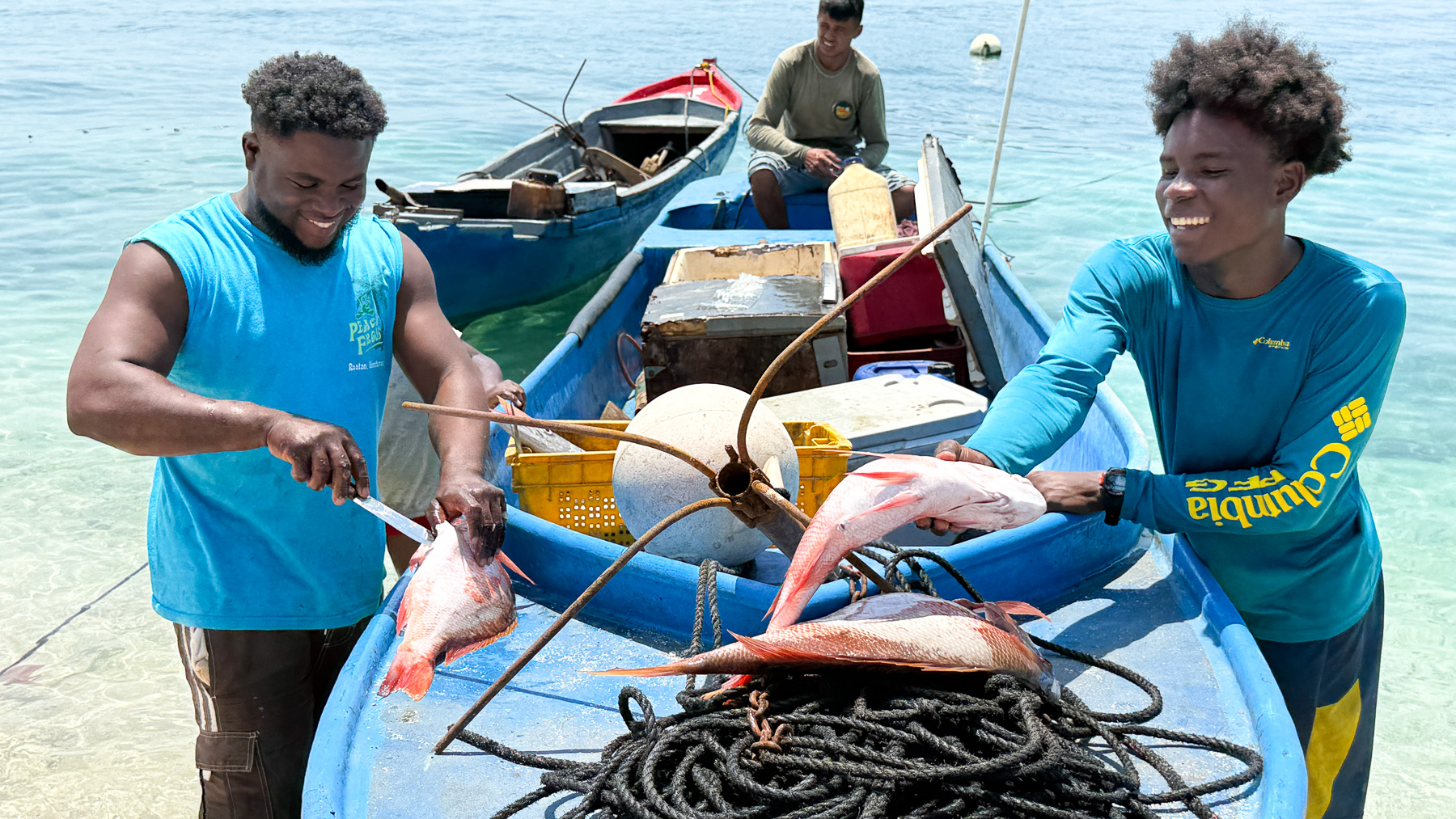
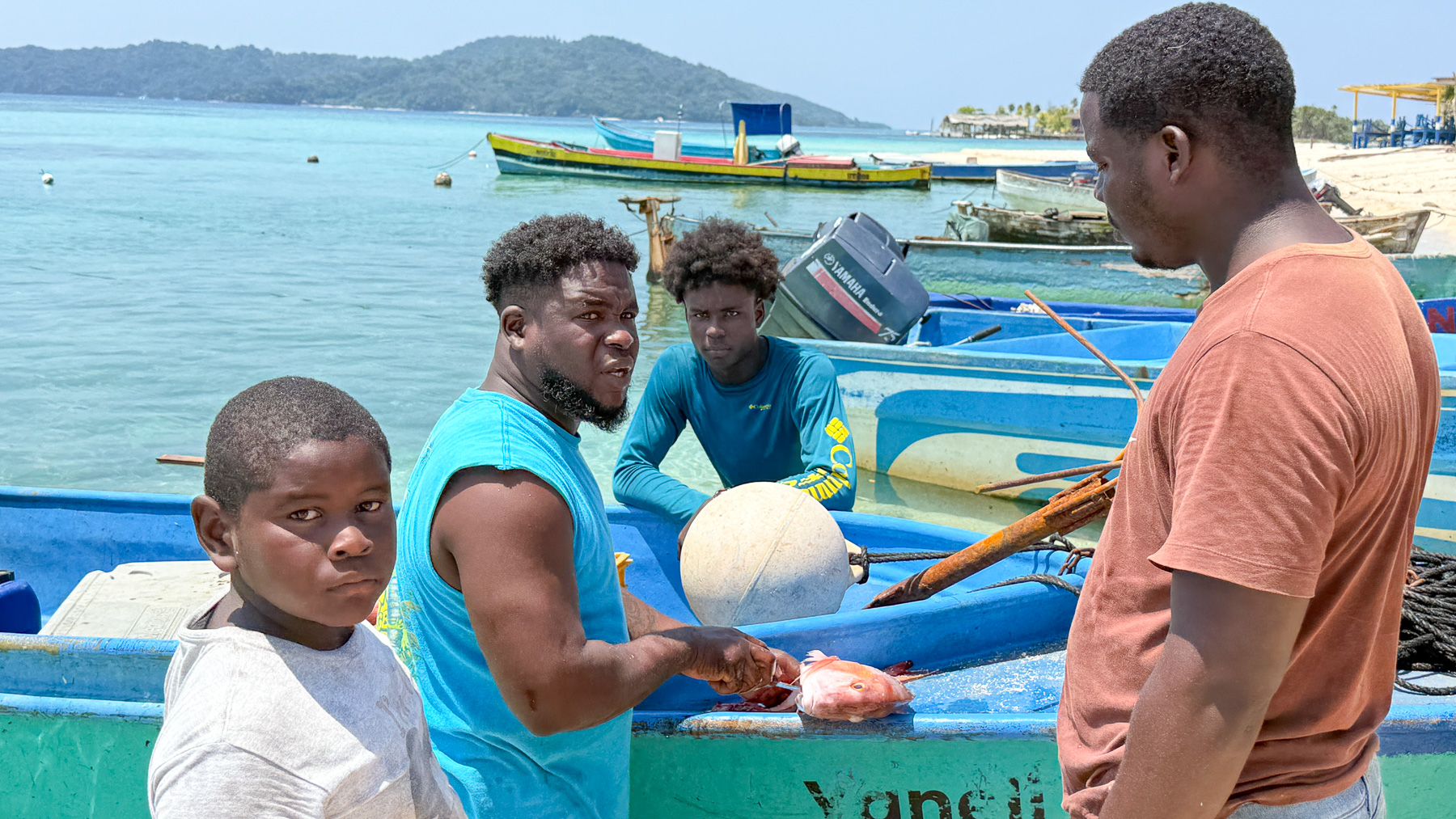
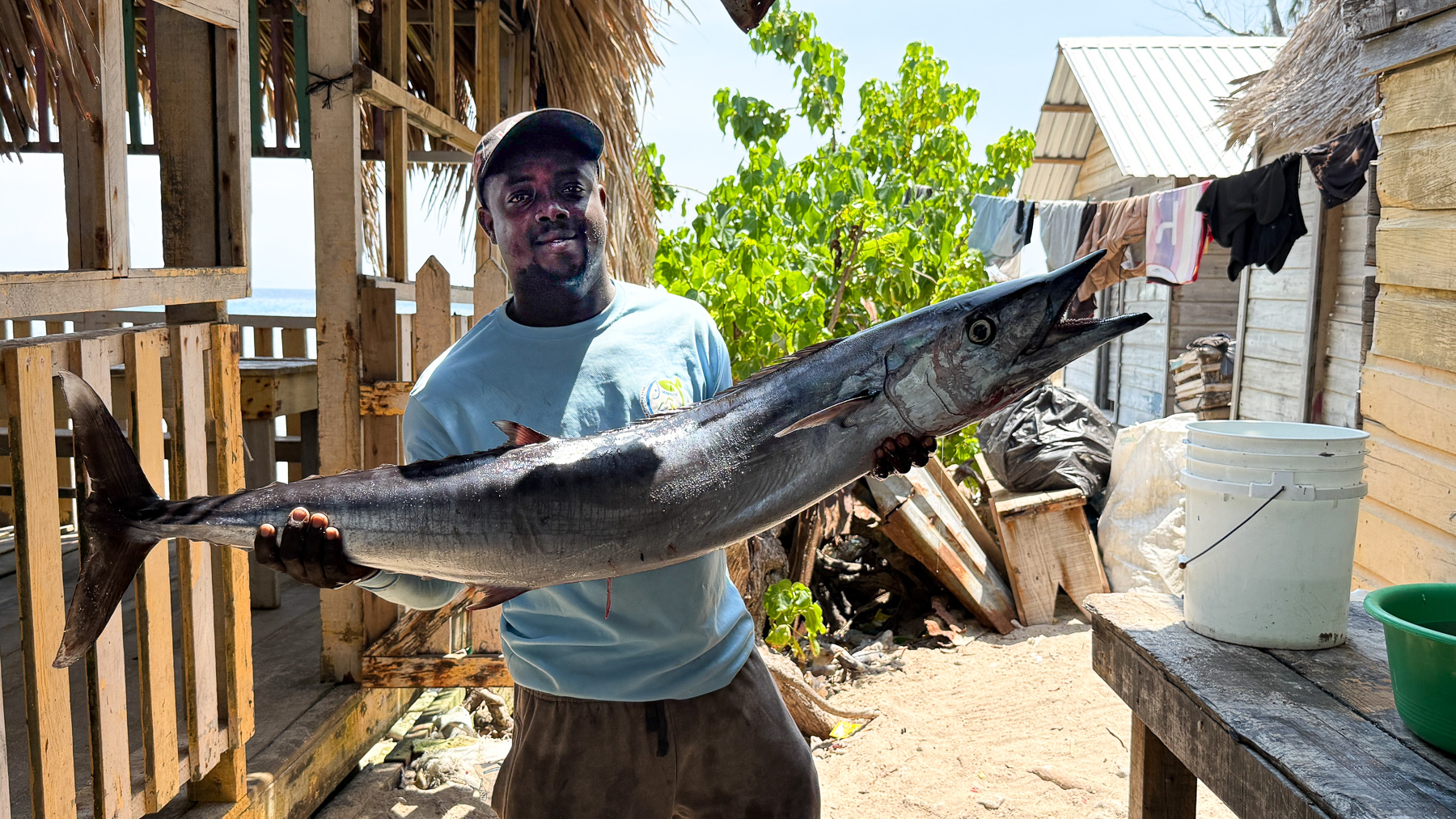
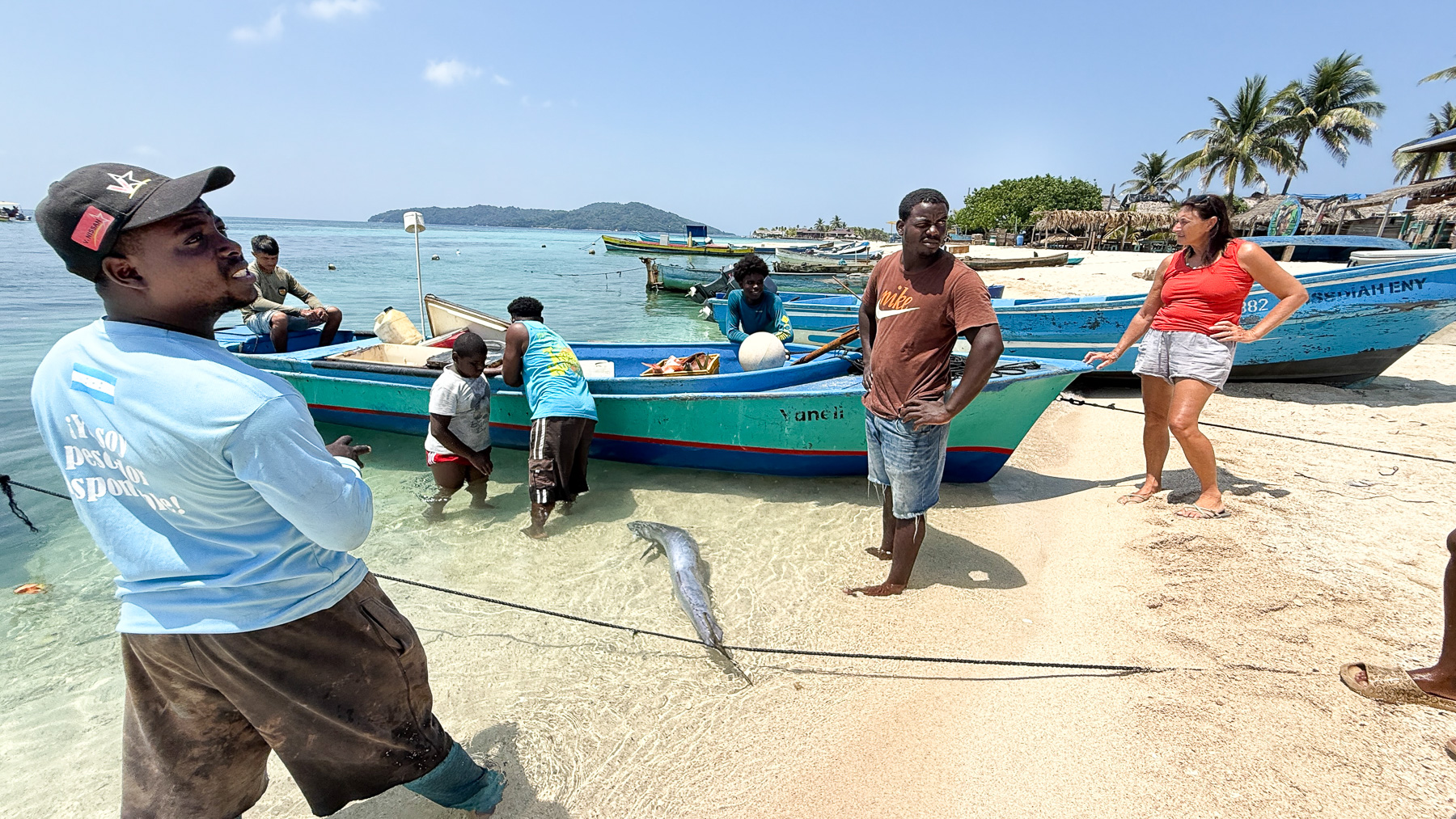
A lancha just pulled up to shore. One of the fishermen lifts up a meter-long giant barracuda and lets the dead animal slide into the water, which is immediately surrounded by five men. The comments sound appreciative. The fisherman is correspondingly proud, but now first turns his attention to the catch that landed directly in the coolers from the line. His colleague pulls out one red snapper after another, and he guts one fish after another. Only then does he turn to the giant barracuda lying in the sea next to the boat. He cuts open its belly in the water—probably because this large animal bleeds so much. Later, in the backyard of his hut, the fisherman has himself photographed from all sides with the gutted giant barracuda.
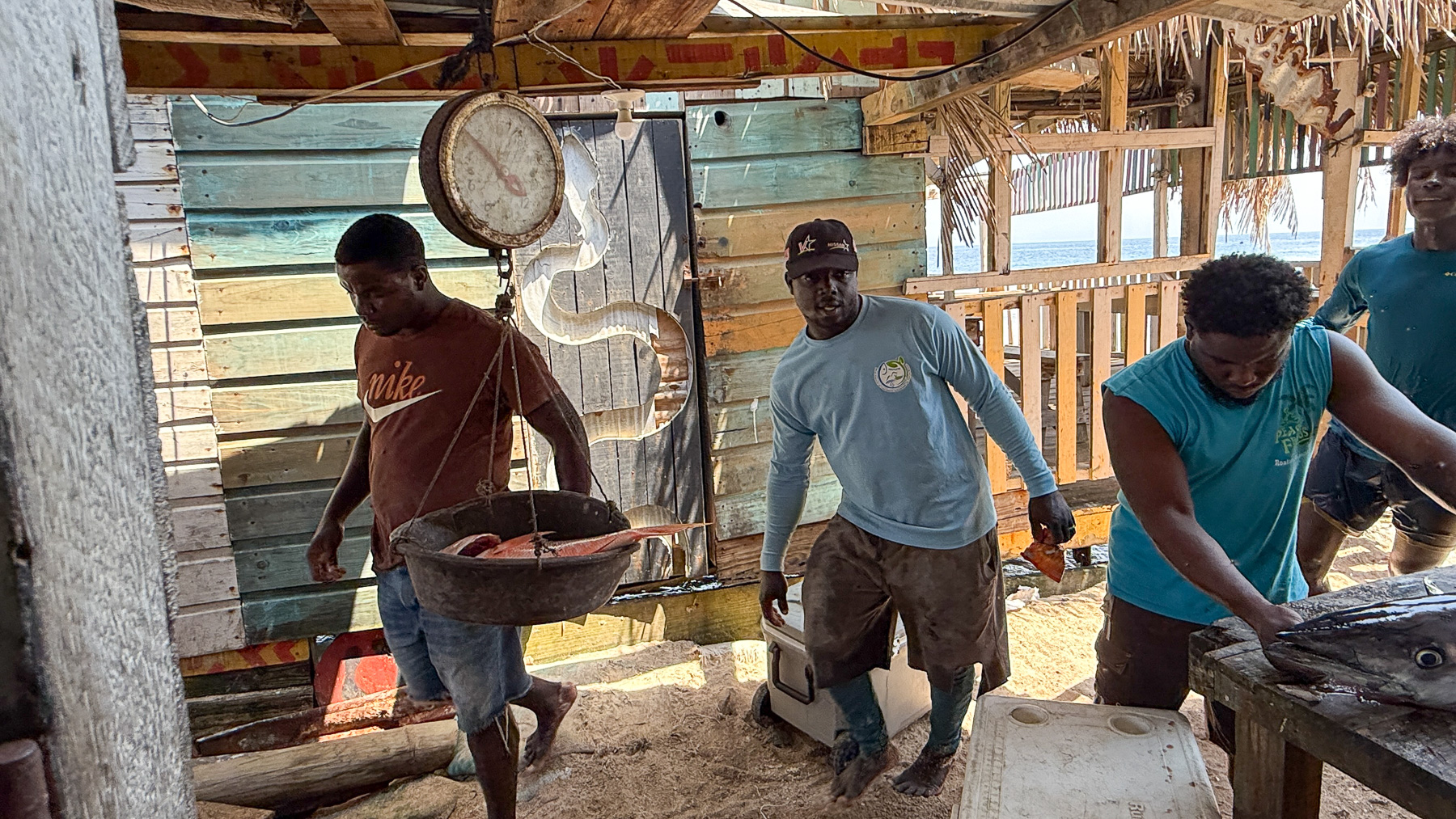
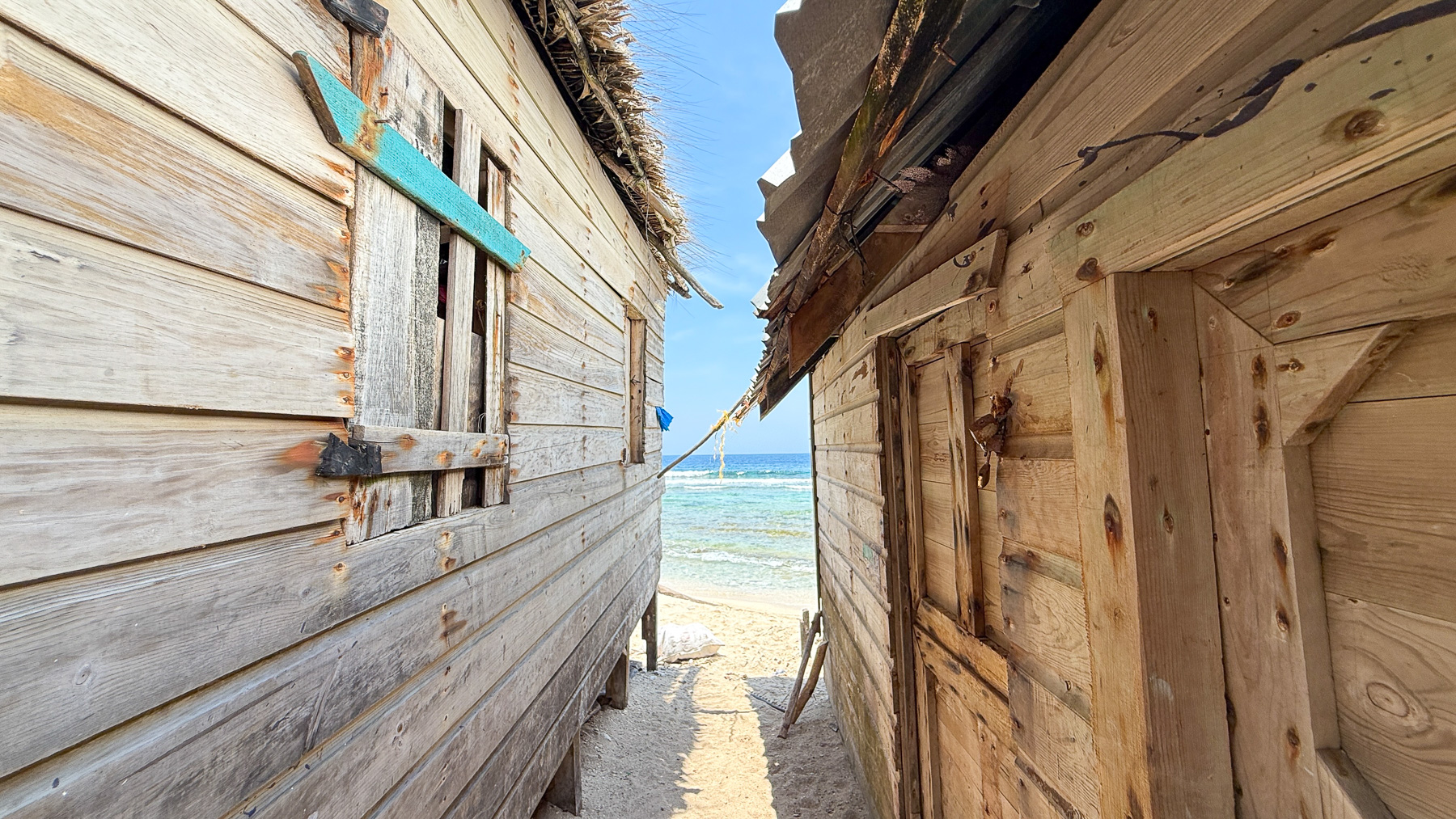
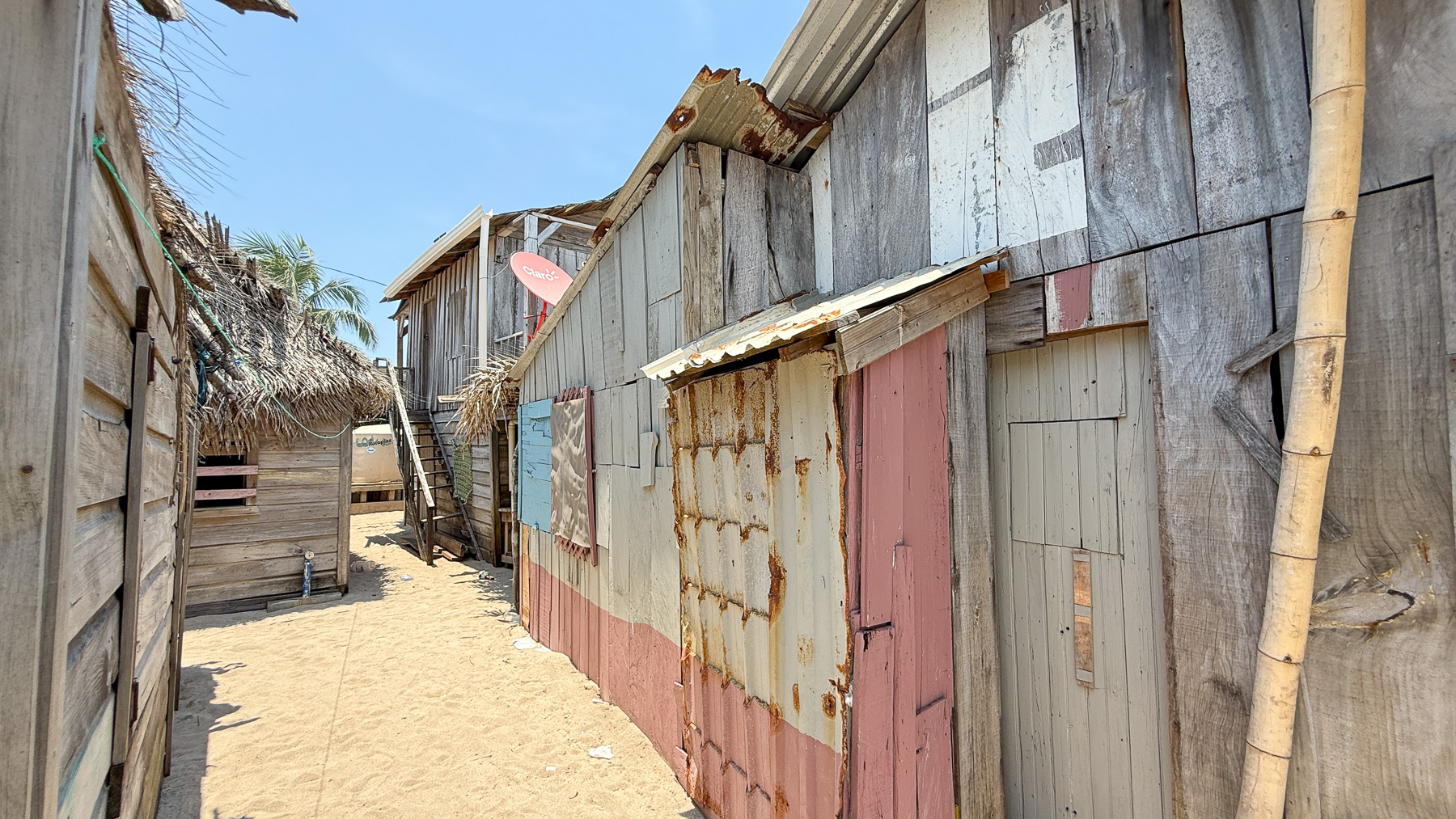
I was allowed to accompany him into the thatched-roof wooden hut to his family because I want to buy a red snapper from him, which he weighs here. 80 lempiras per pound, he says. I pay the equivalent of 6.50 euros for the 2.5-kilo reef fish. His mother is standing next to us in front of a gas stove, cooking. Children and teenagers are already eating or carrying filled plates around. There’s no table here, no other furniture either. Everything is simple, reminiscent—probably because of the bare clay floor—of the inside of a tent. In the eyes of a European, it all looks pretty miserable. Because there’s no running water, the family collects rainwater. And because there’s no sewage system, they use an outhouse.
Intense drumming, fast hip movements, African rhythms combined with Spanish guitar: This is considered the heart of Garifuna culture and was declared by UNESCO, along with the Garifuna language, a “Masterpiece of the Oral and Intangible Heritage of Humanity.” We didn’t experience any of that on the Cayos Cochinos. Perhaps the Garifuna there only dance once the tourists have left…