Tulum II: Mayan Ruins by the Sea
We’re visiting the only Mayan city located by the sea
By Renate Rüger, April 13, 2026
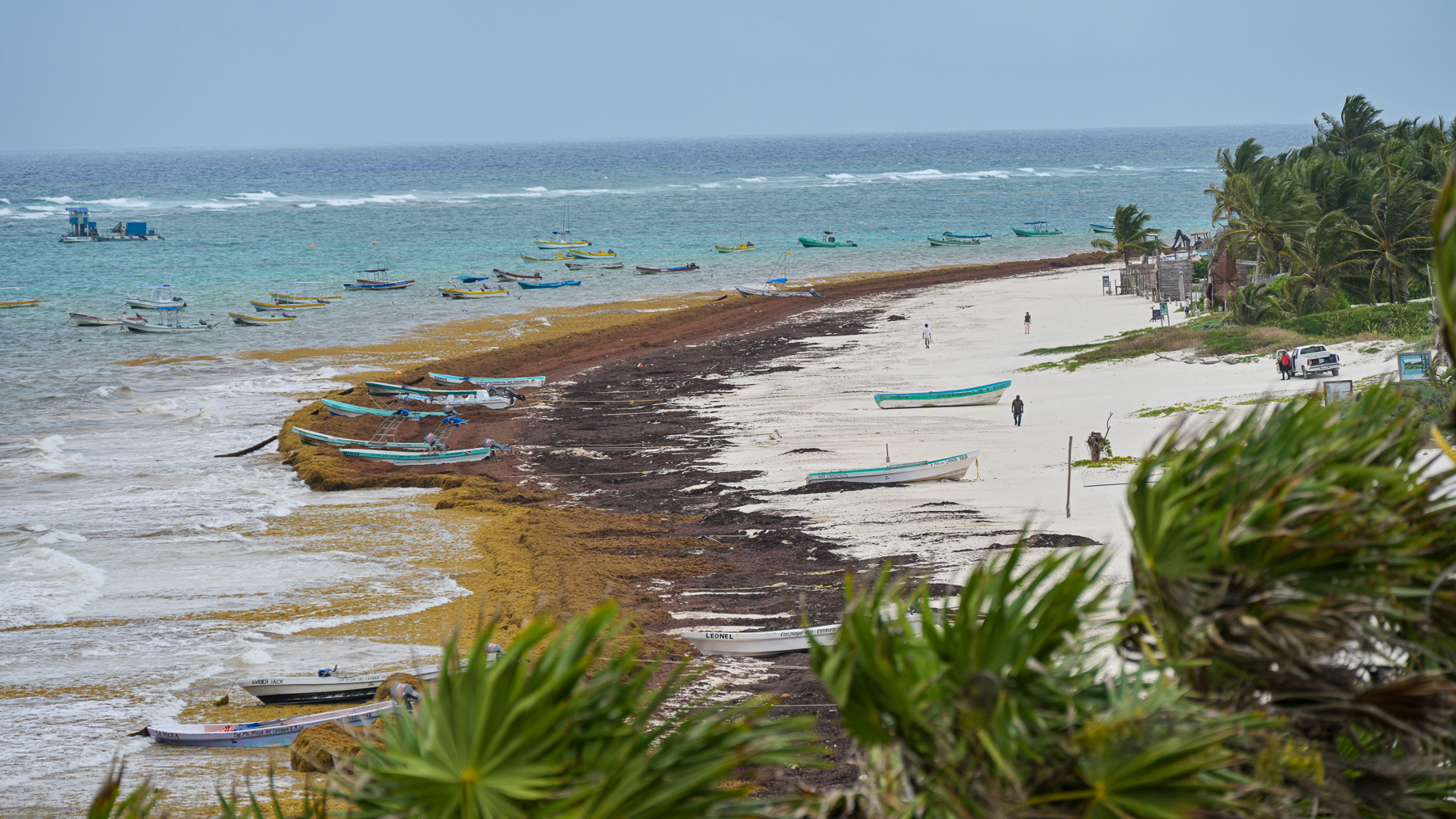
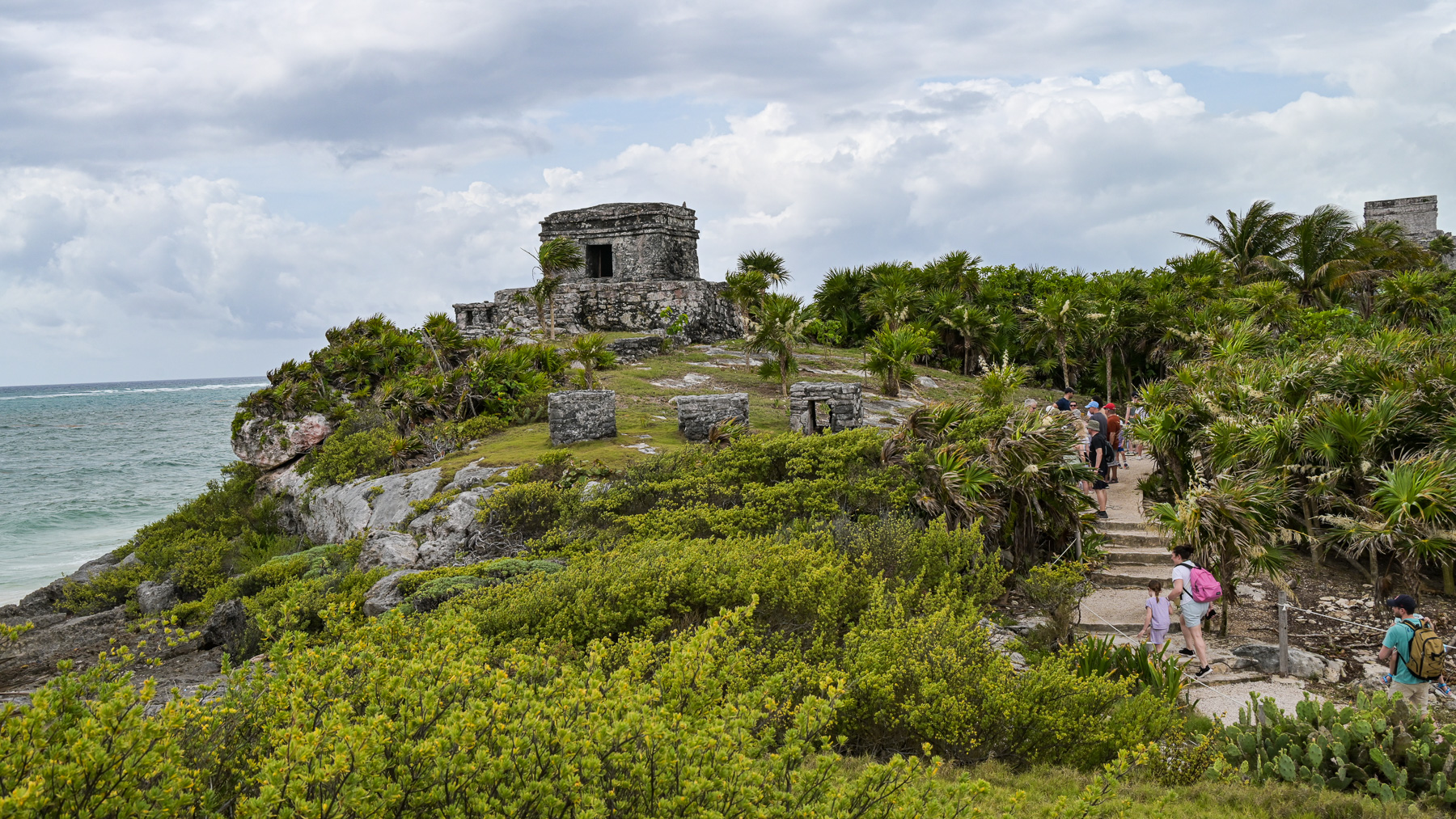
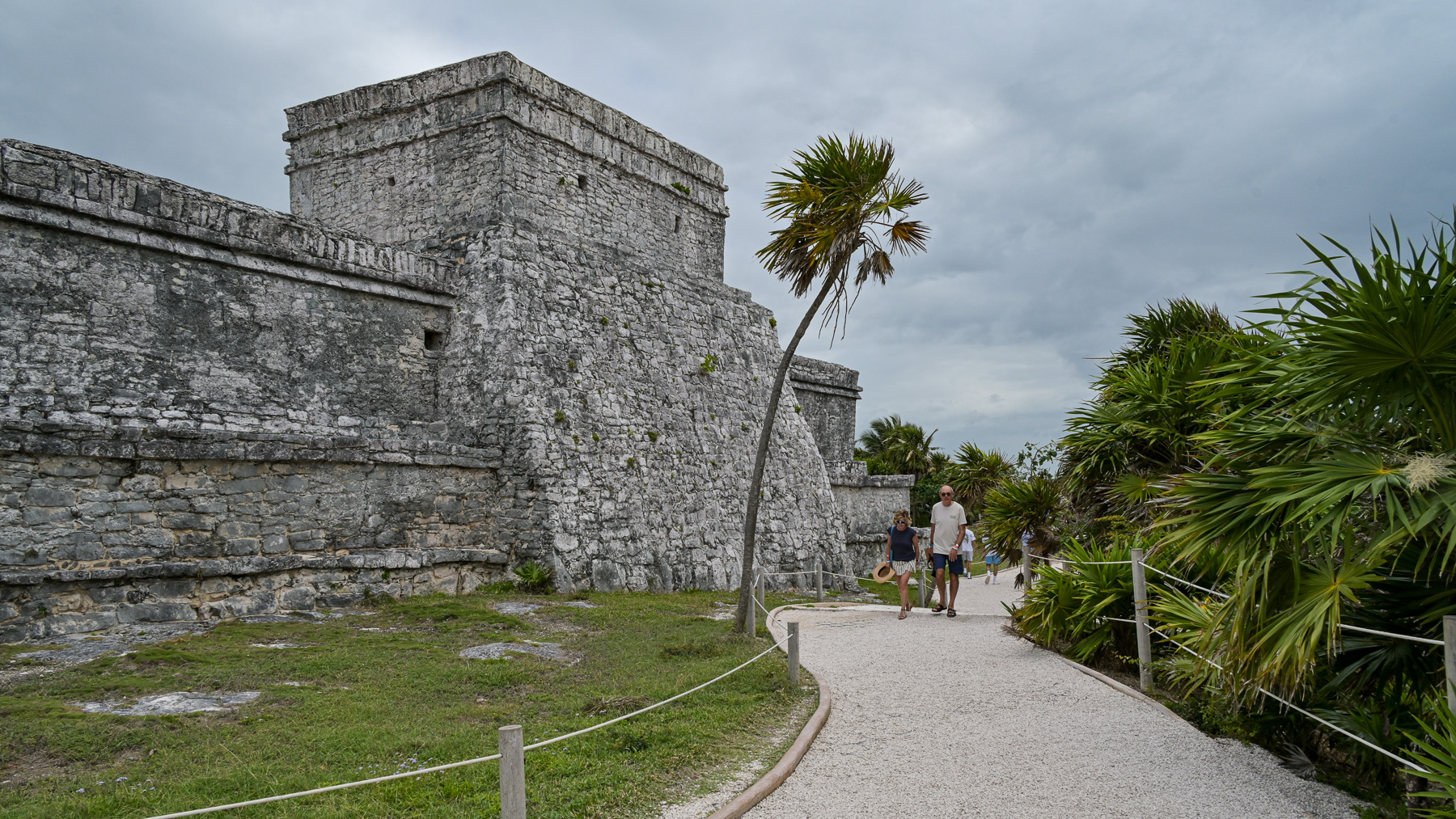
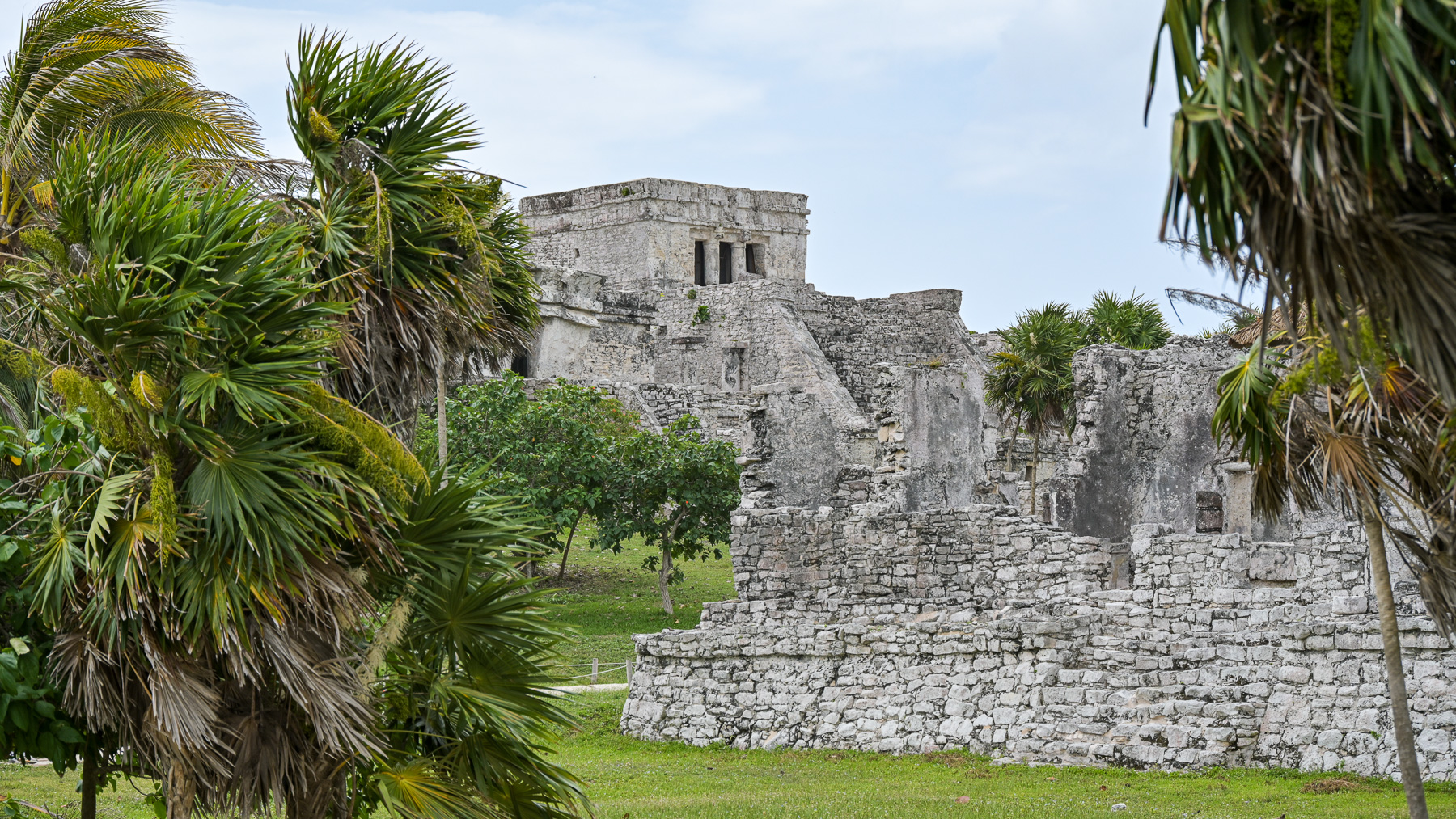
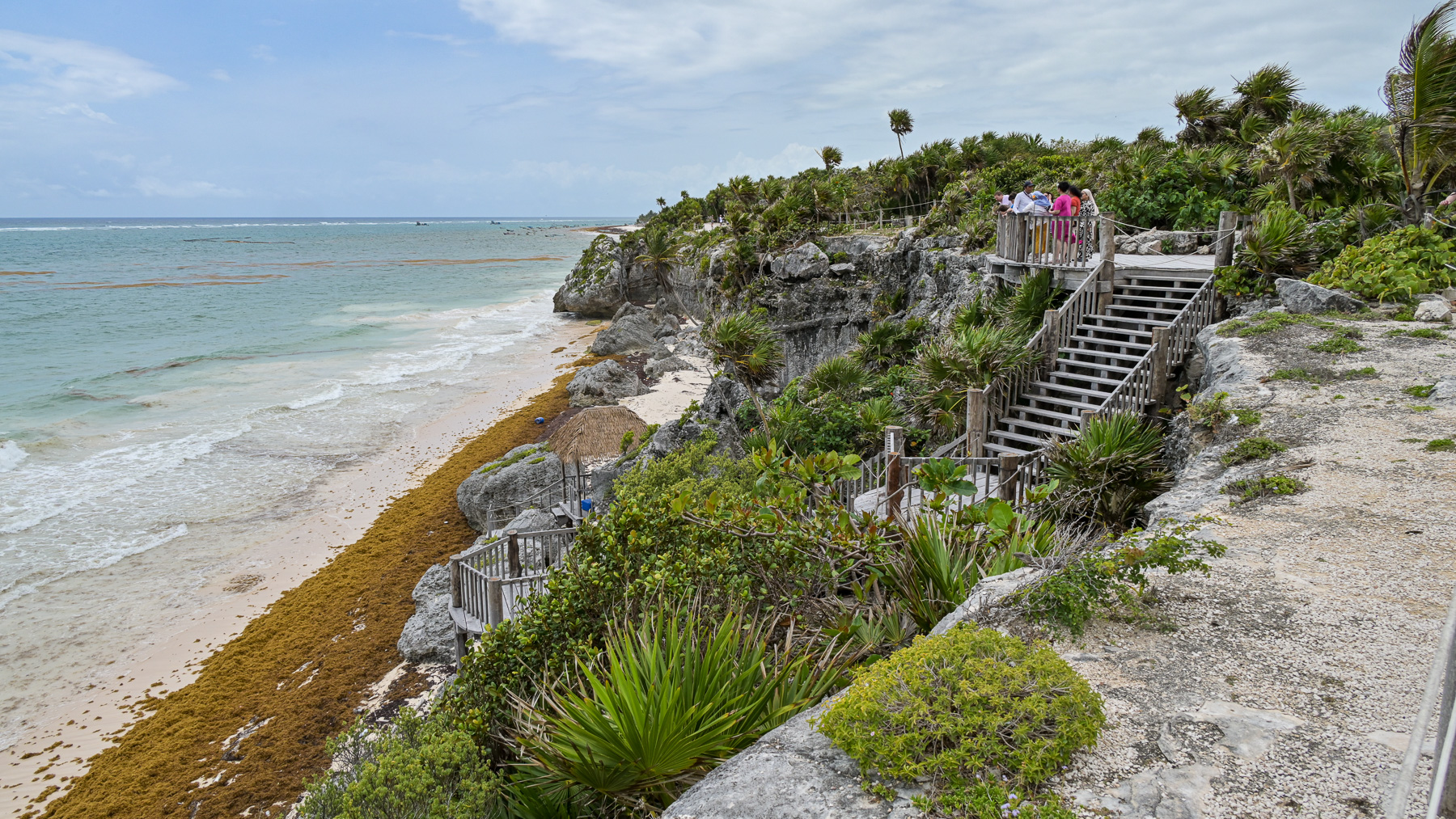
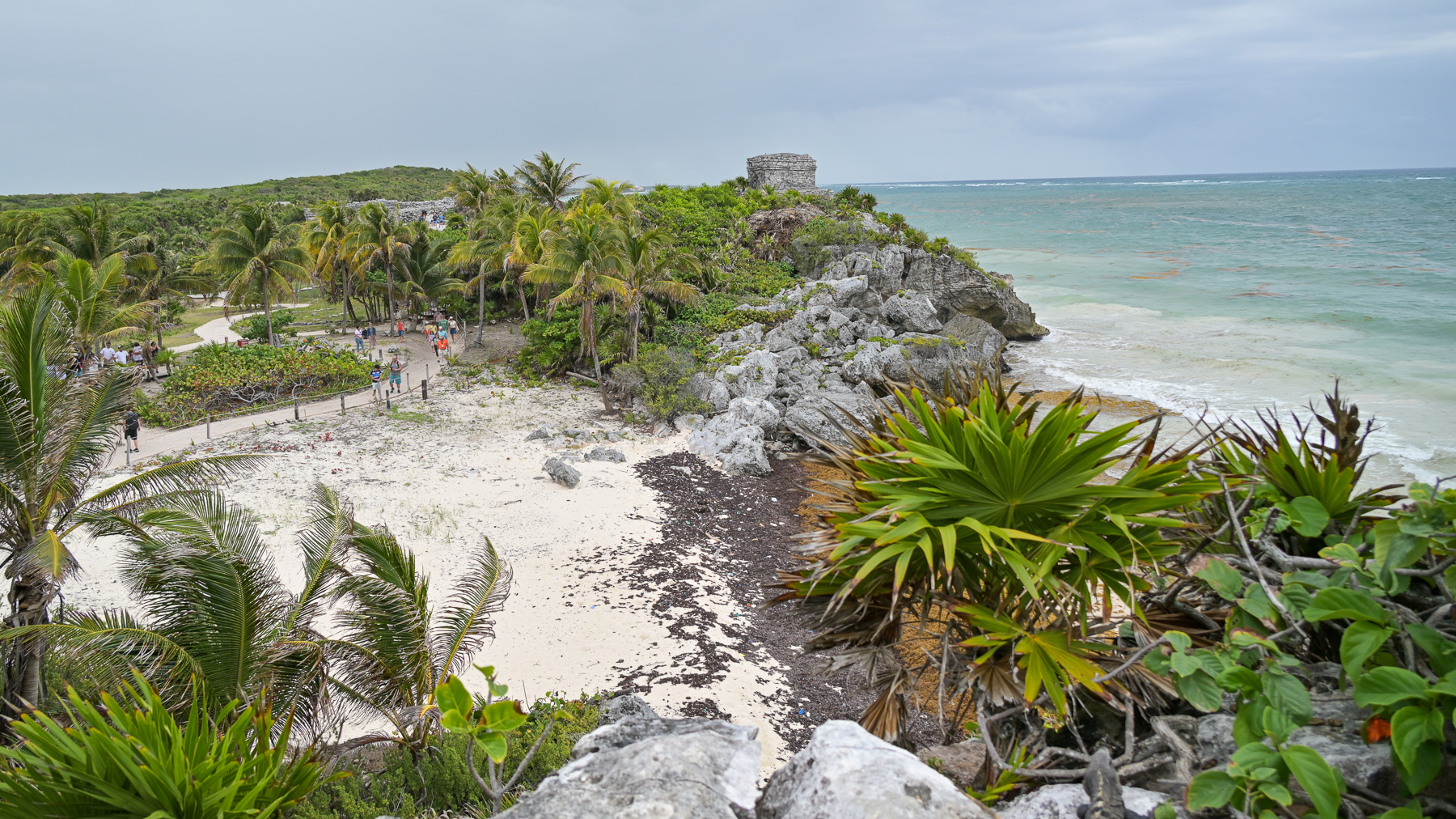
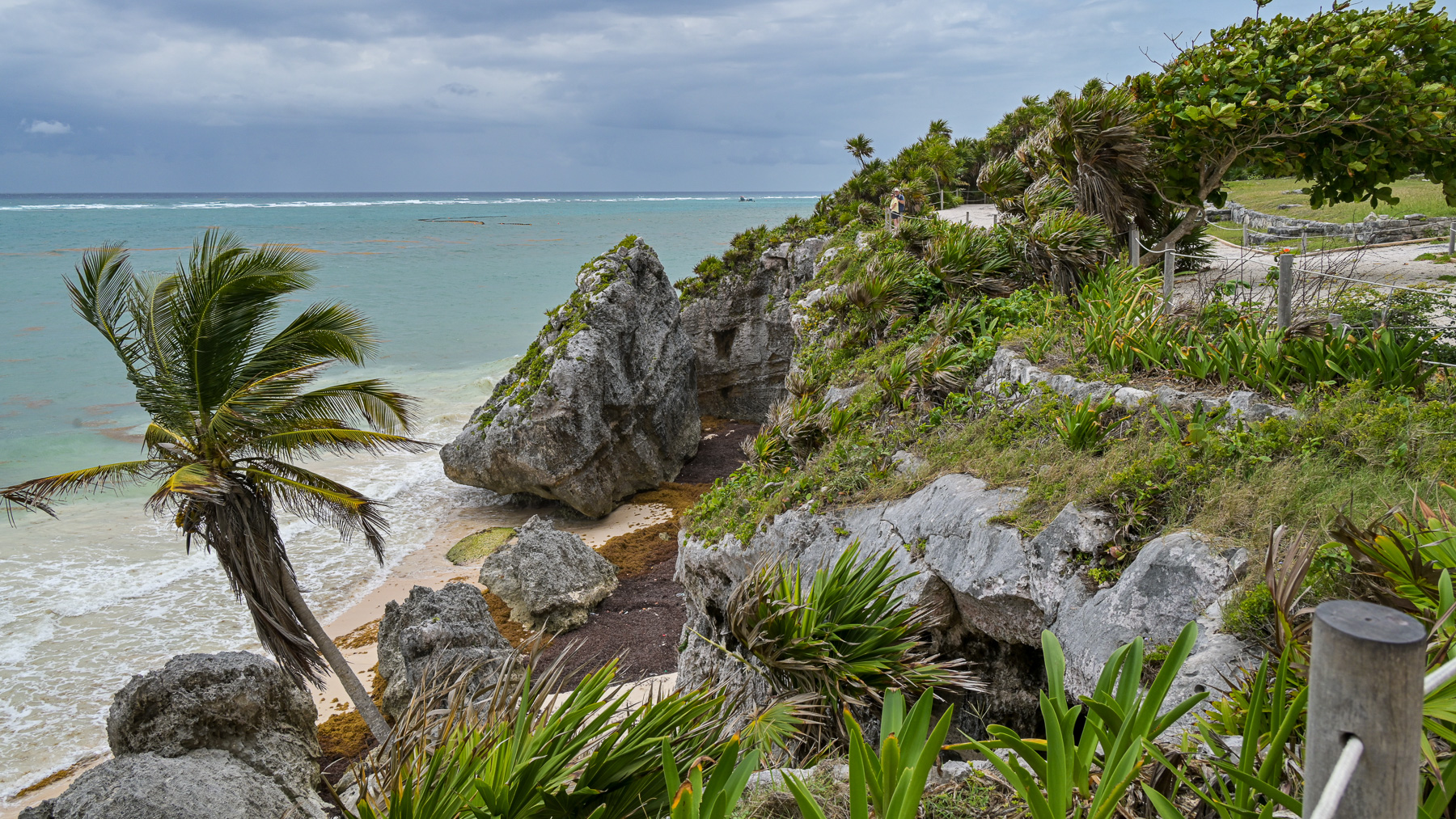
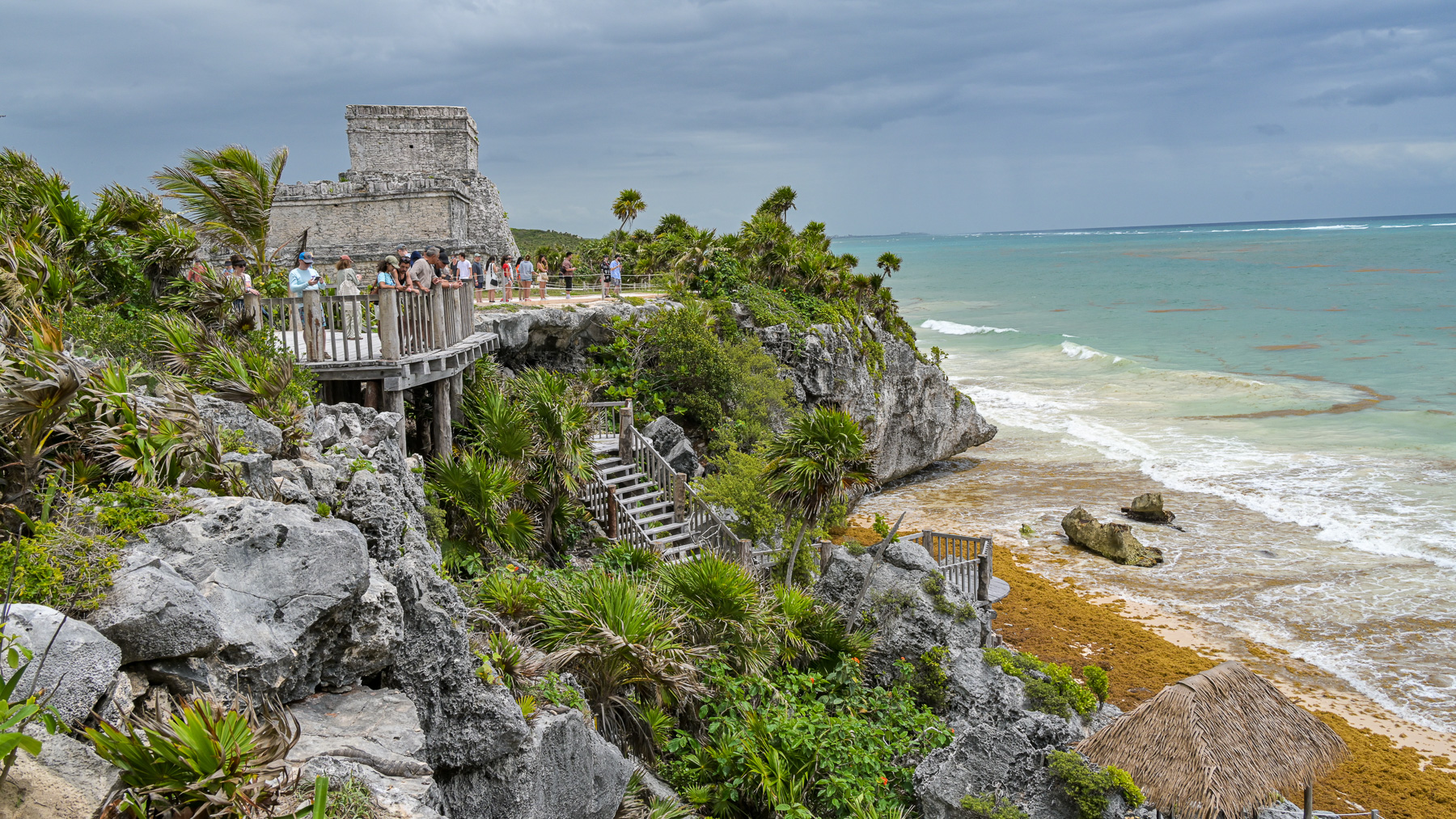
Mexico – Royal blue skies, gray stone ruins, green jungle, and turquoise sea: With this postcard-perfect image in mind, we gaze at the “Castle” (El Castillo) perched on a cliff about twelve meters above the sea. The sky is cloudy, rather gray; the sea is murky, more ochre-brown than vivid turquoise; and there are no people enjoying themselves on this beach—instead, there’s some Sargassum, though not much. And despite all that, the view of these ruins is spectacular.
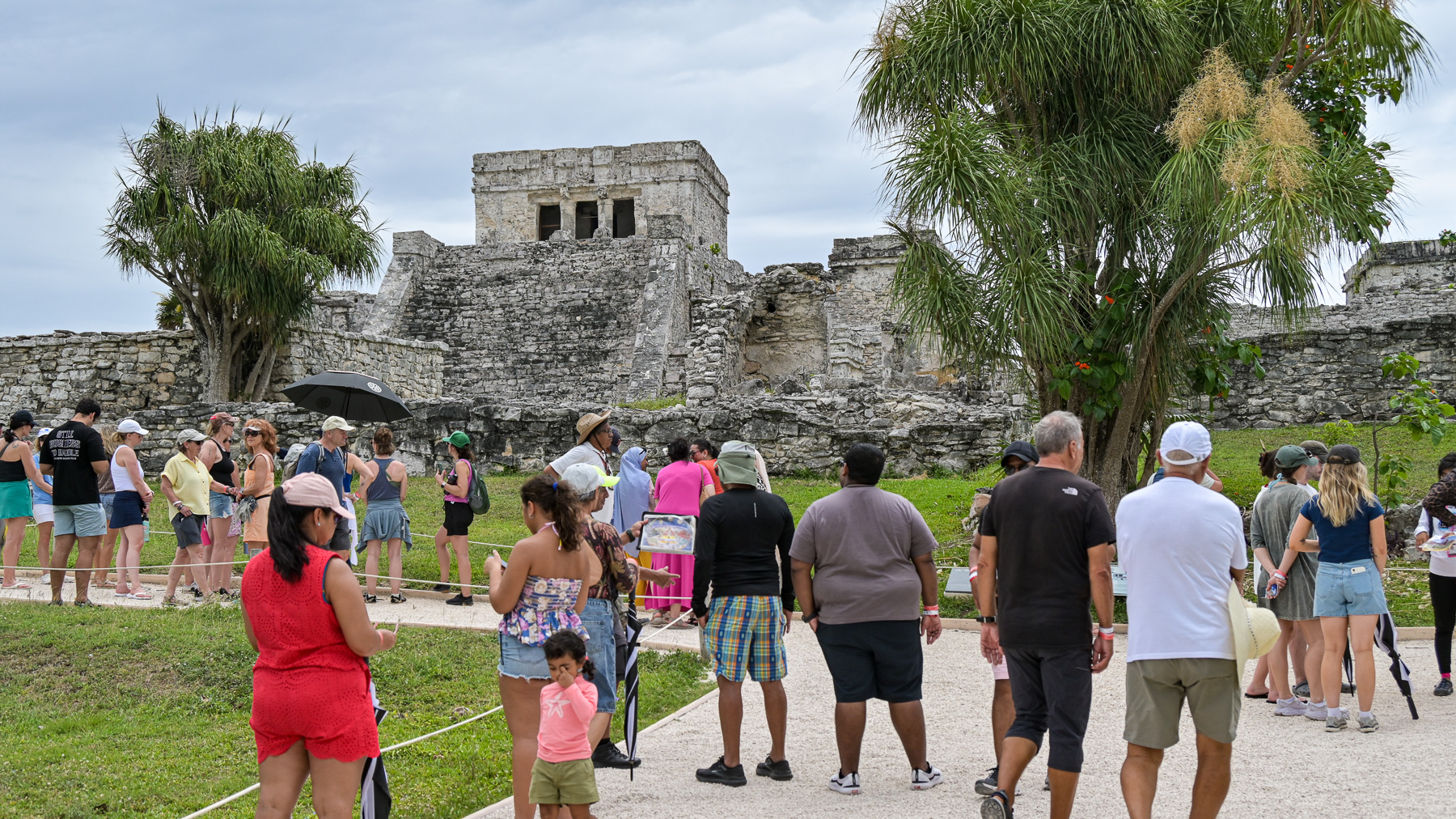
The “castle” is actually a temple. The Spaniards, who landed in Tulum in 1518, gave it this name because it reminded them of a fortification. This temple is the largest building in the ancient Maya city of Tulum, which was once an important trading center. It is the only Mayan city located by the sea and the only one surrounded by a wall on three sides. Only the side facing the sea is open, as it is protected from attackers by the cliff. Unlike nearby Chichén Itzá or Tikal in Guatemala, Tulum—which the Maya likely called Zamá (place of dawn)—is relatively young. It was founded during the Late Maya period, beginning around 1200 AD, at a time when other centers of this advanced civilization were already in decline.
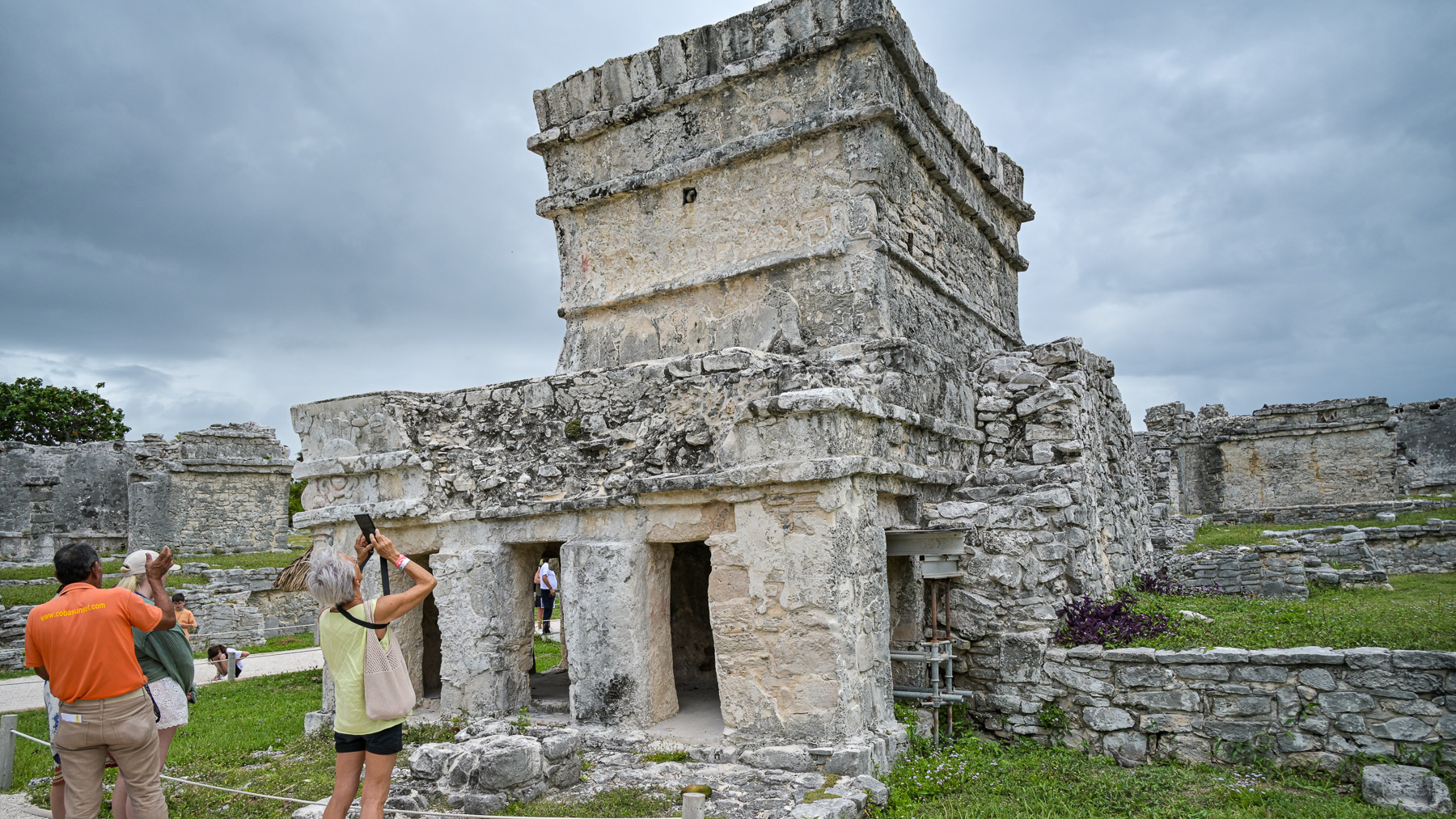
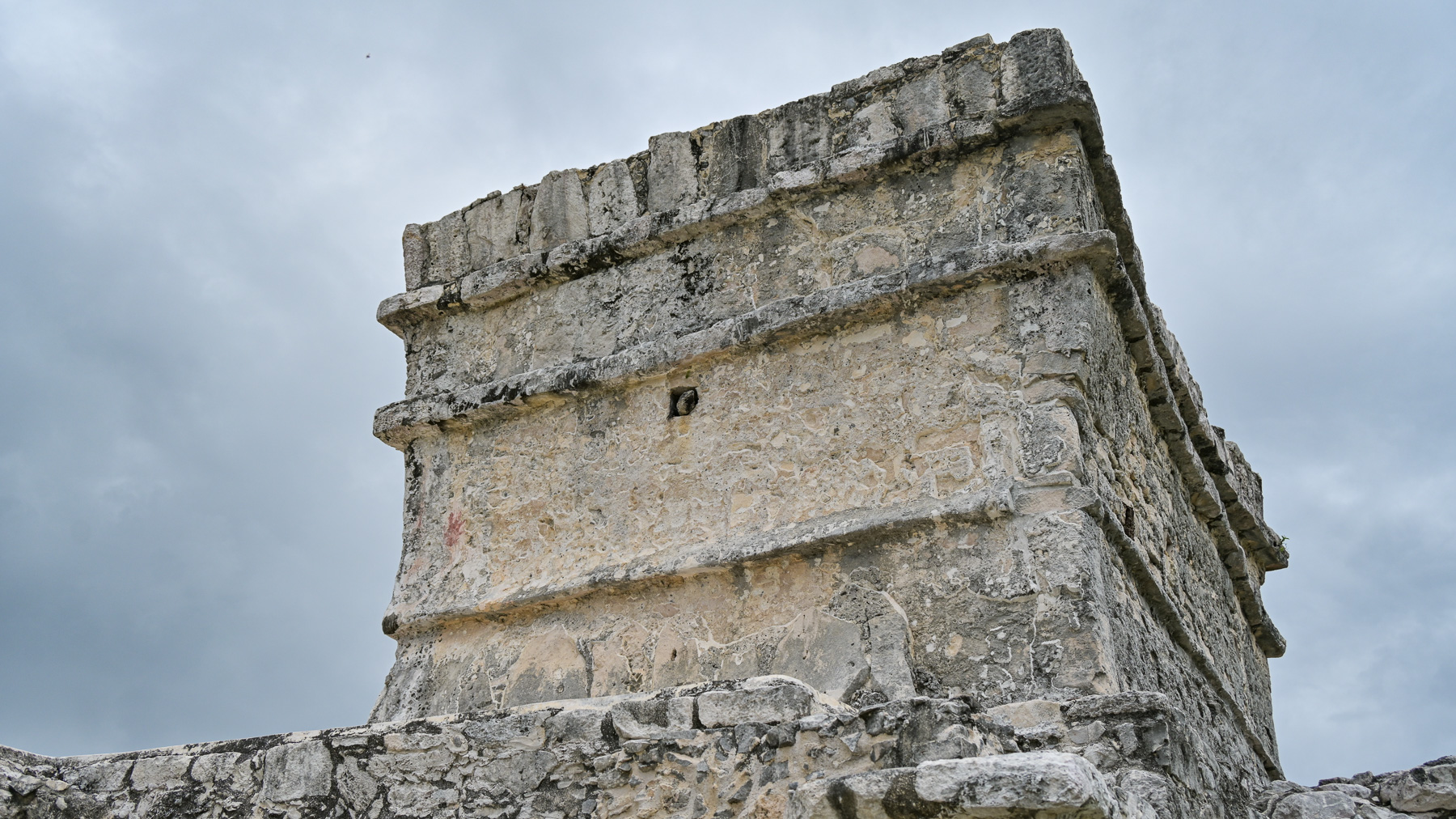
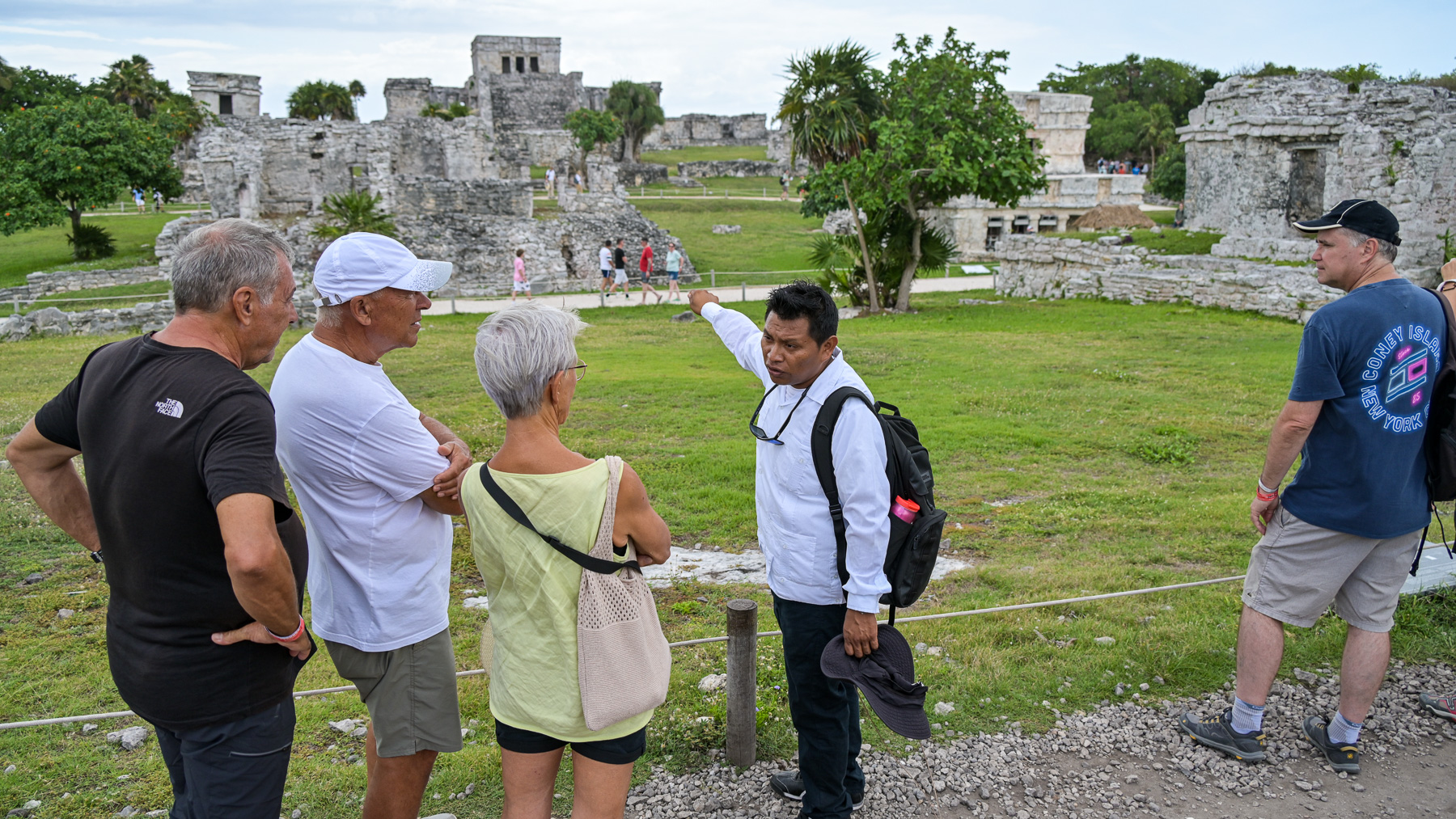
We look at the two small windows in the “Castle” temple, which may also have served as a “lighthouse.” We’re told that anyone approaching by boat from the sea should make sure that both windows are exactly aligned one above the other; then they’ll pass safely through the coral reef. Spanish conquerors report in their chronicles of a light that burned day and night in the temple. Did the Maya place torches in the window openings to form a “beacon line” to guide sailors? There is no evidence of this. What is certain, however, is the religious function of this building.
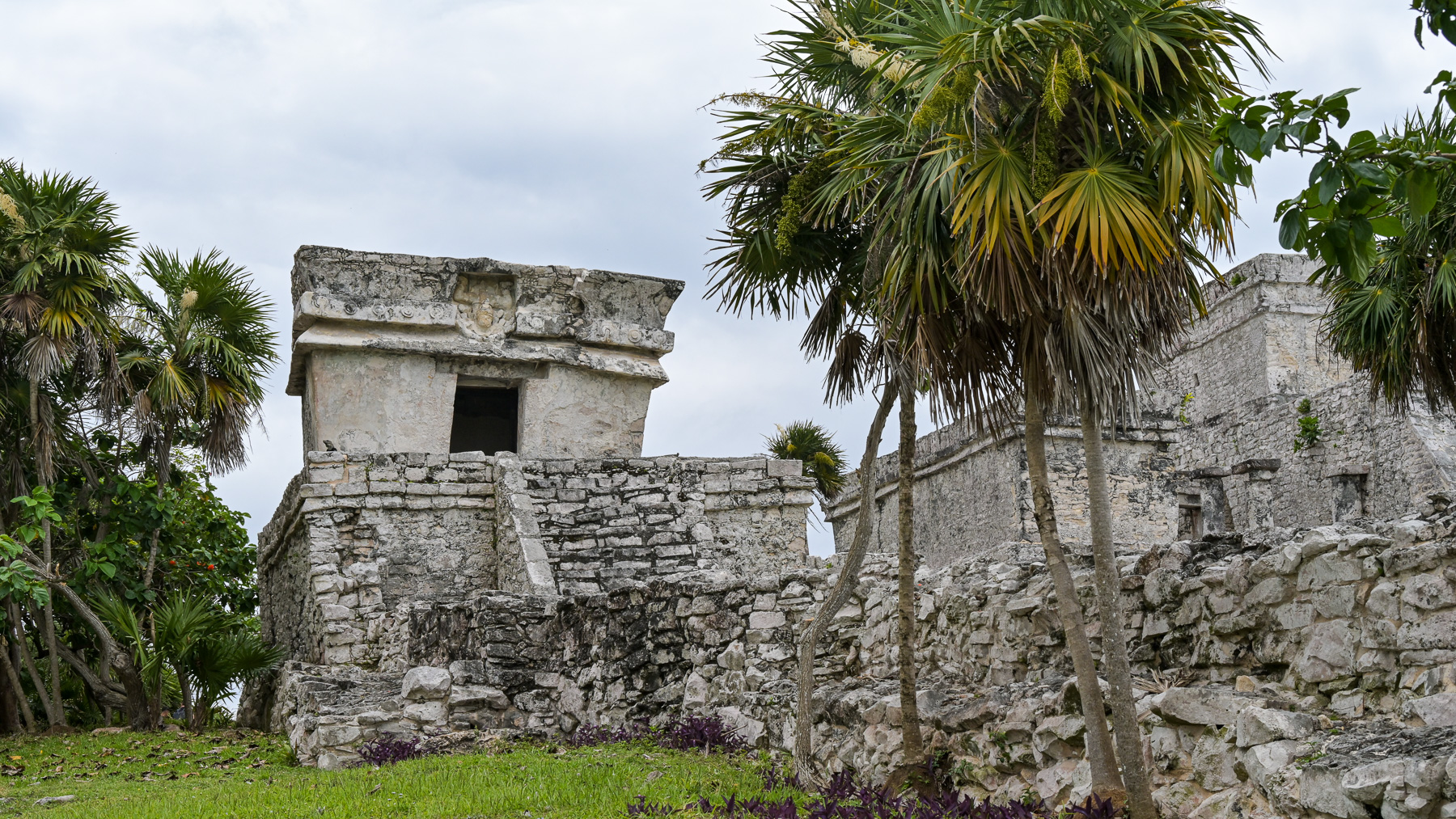
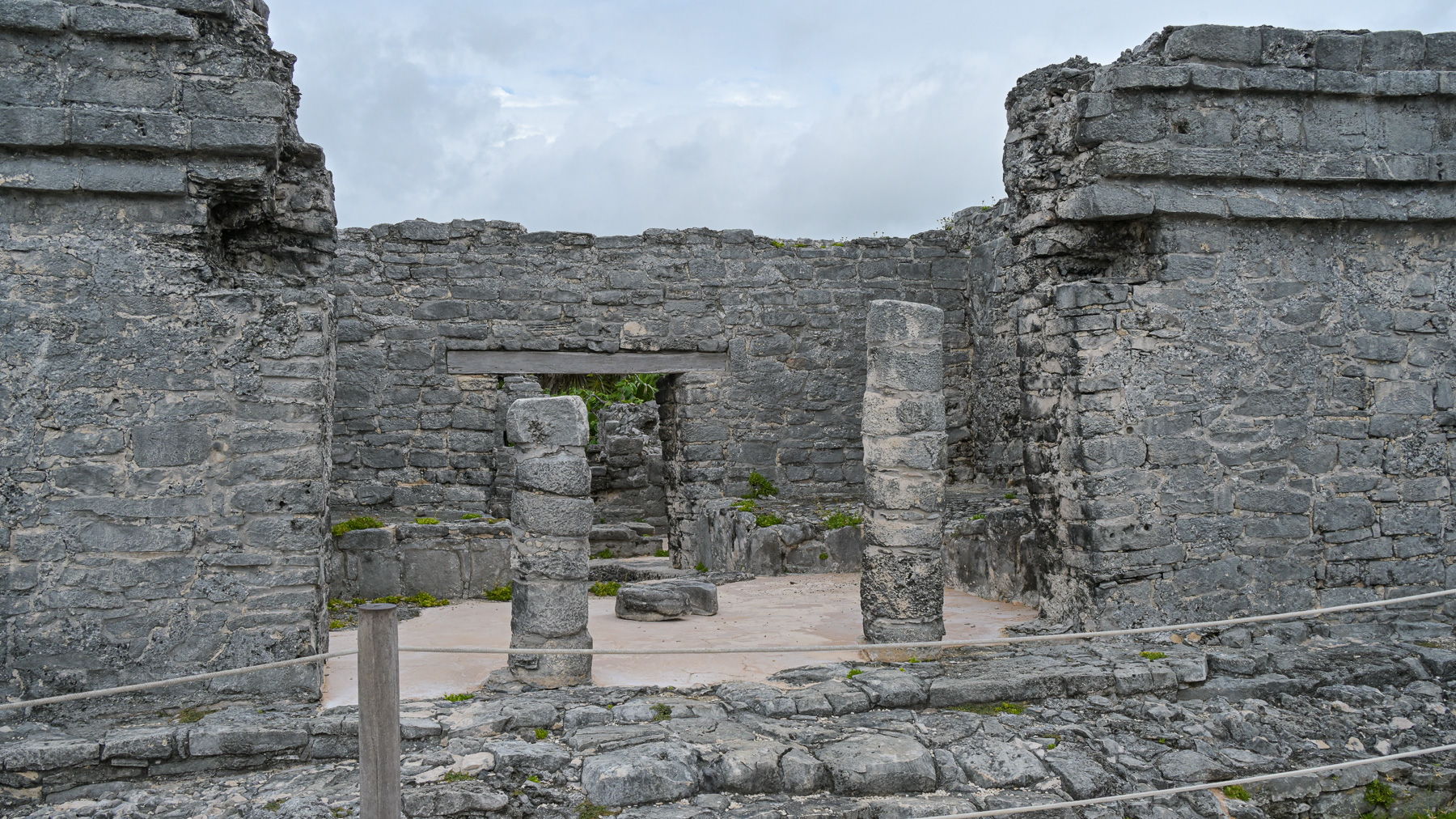
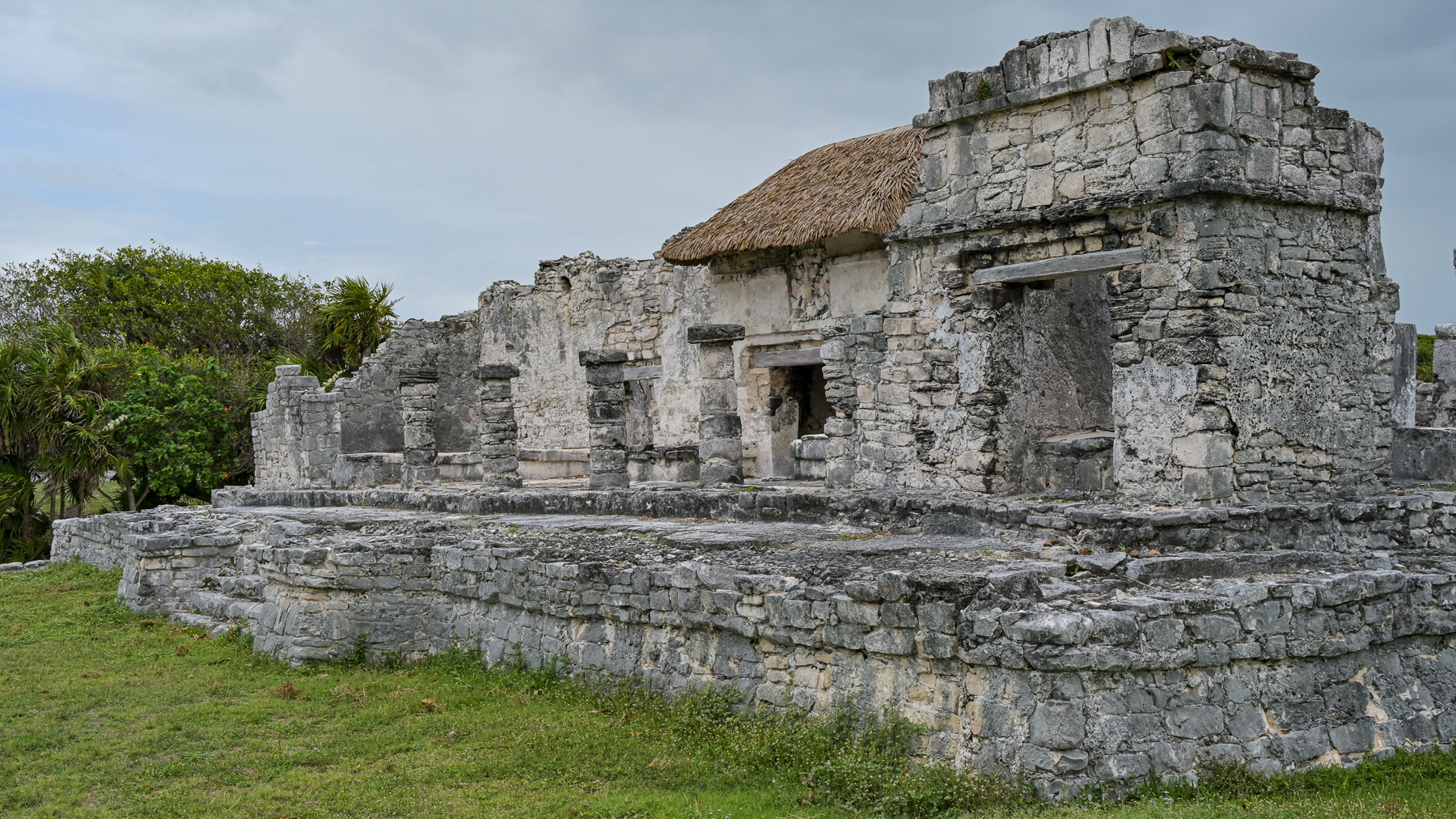
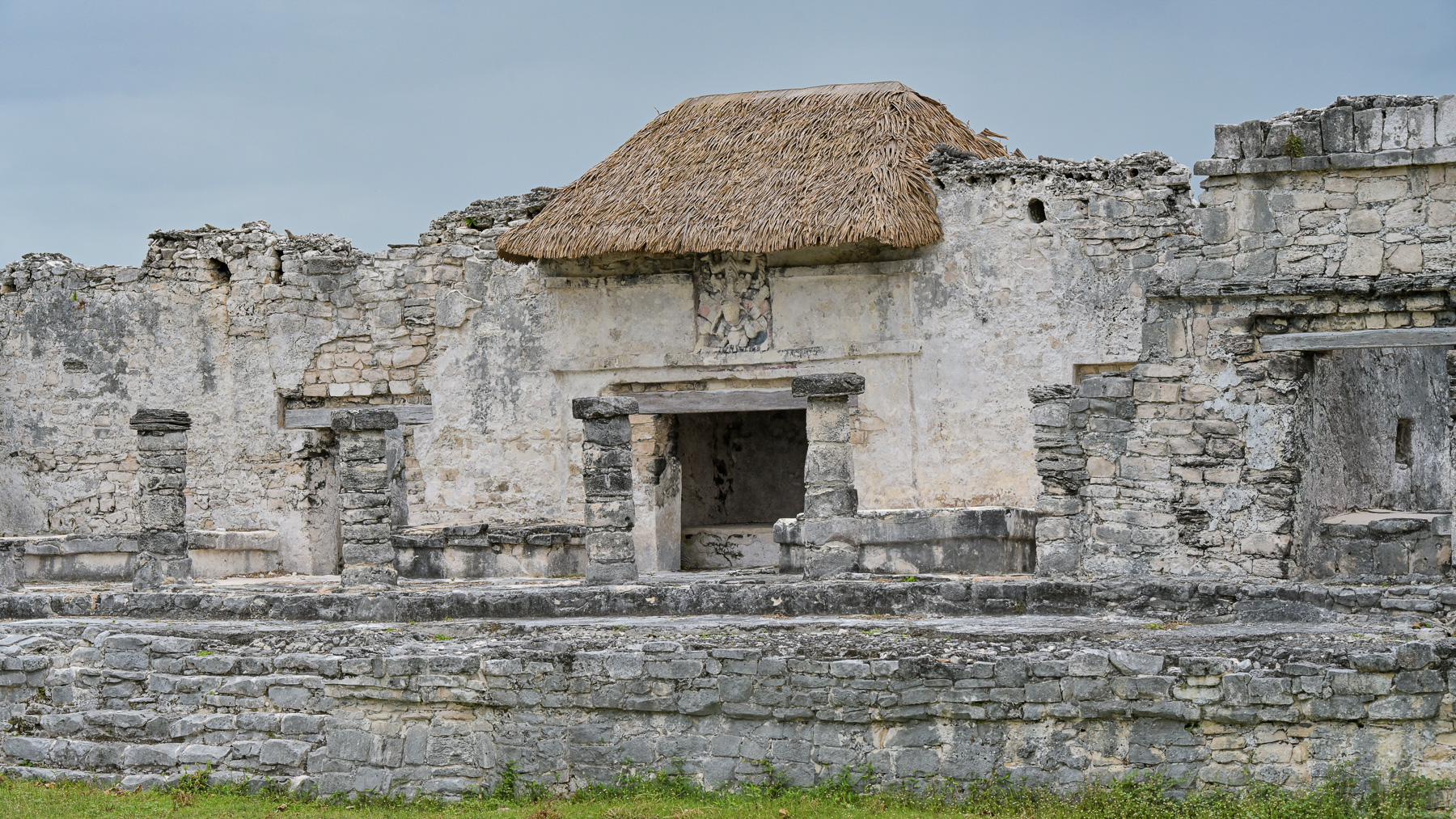
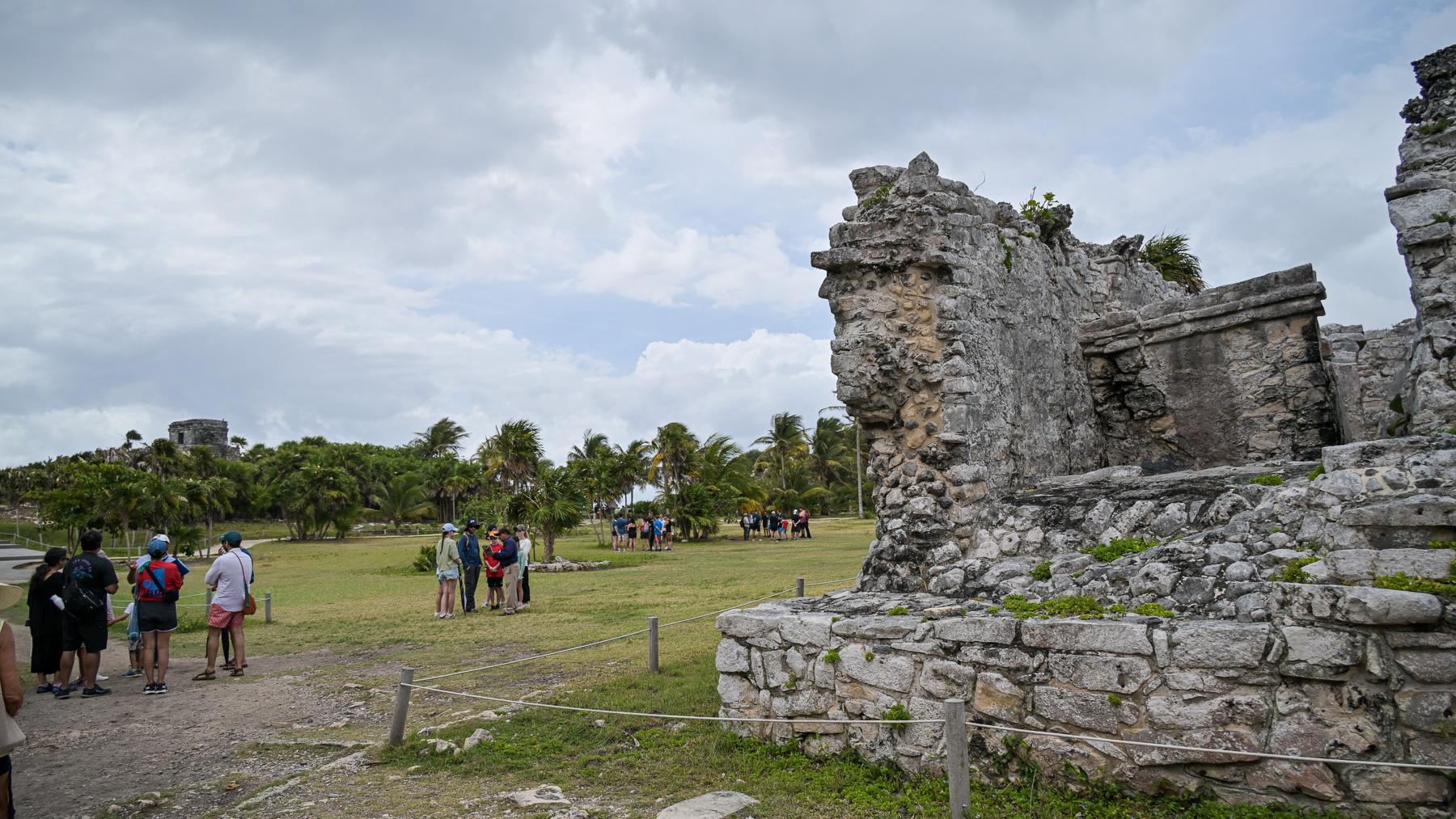
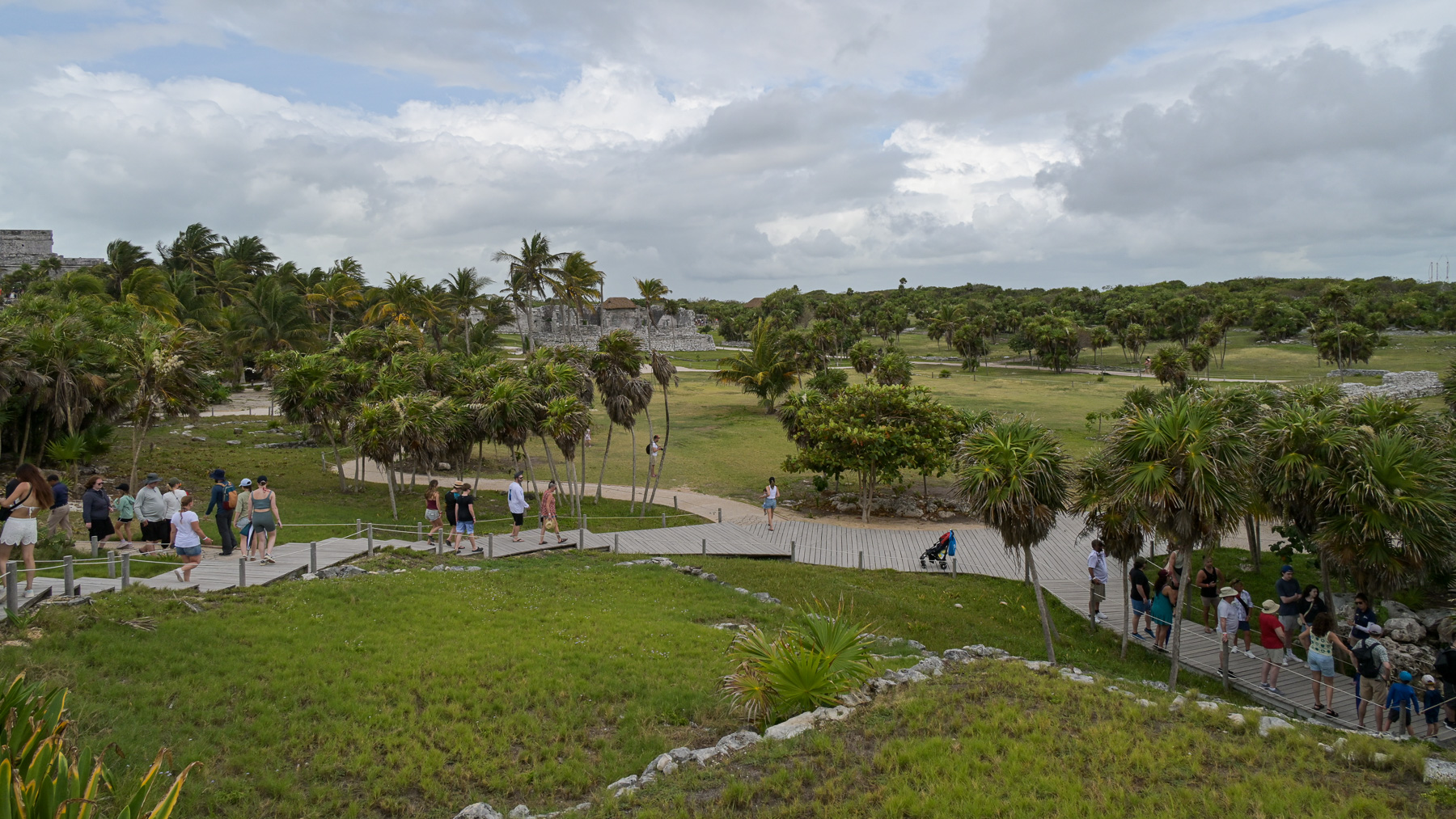
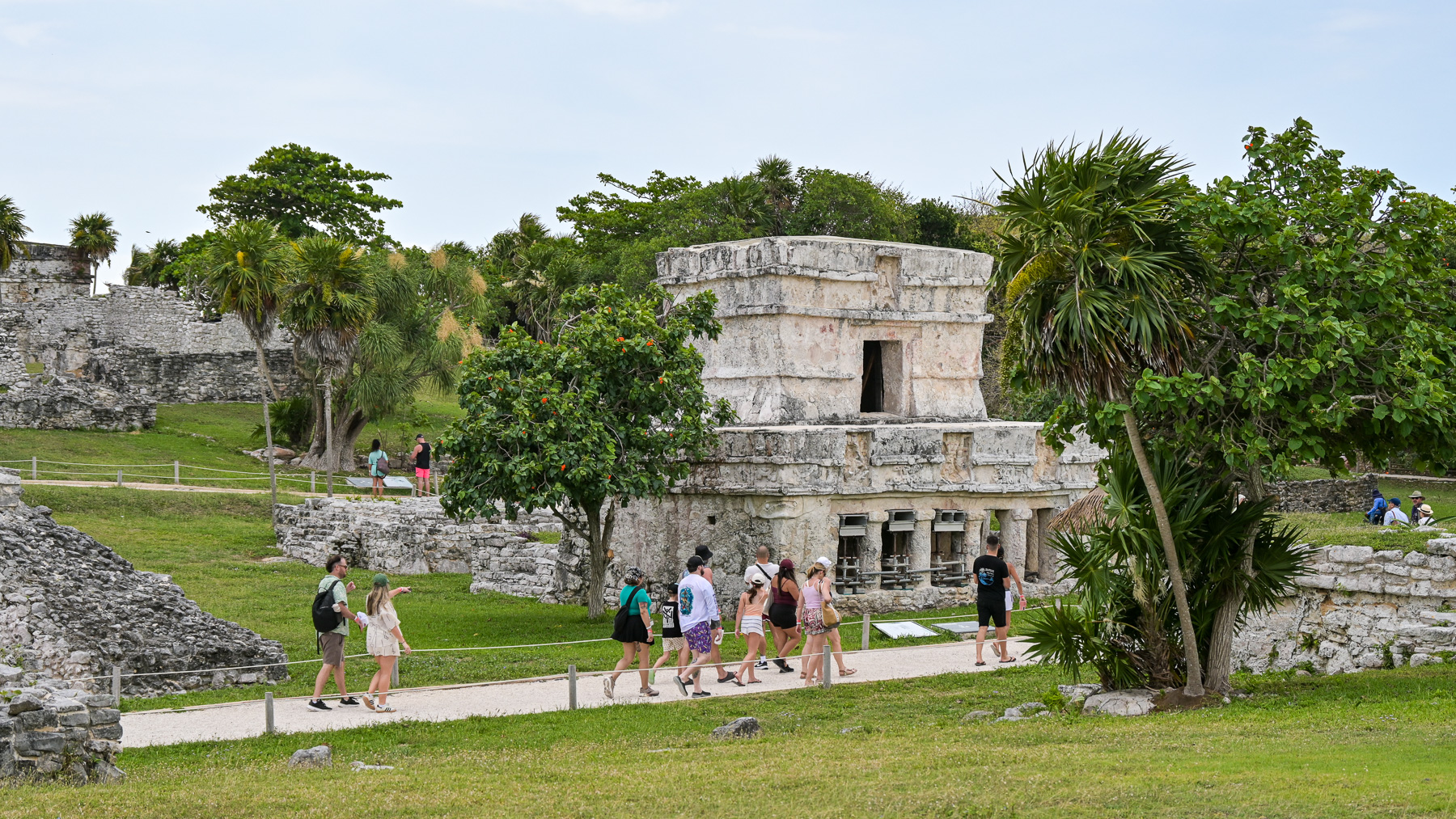
It is estimated that between 500 and 1,500 people lived within the city walls: the elite, which included priests, merchants, and administrators. We can see the remains of their stone buildings. We cannot grasp the true size of the city, which was once an important trading center: Between 3,000 and 6,000 people lived outside the walls—that is, the common people such as artisans and fishermen, whose houses were built of wood, palm leaves, and mud.
It’s a shame for our senses and the photos that the sun isn’t bathing the gray ruins in its magical blue and green hues today. But there’s also an upside: it’s not as hot, so exploring the 6.8-hectare complex is pleasant and leisurely even around noon.