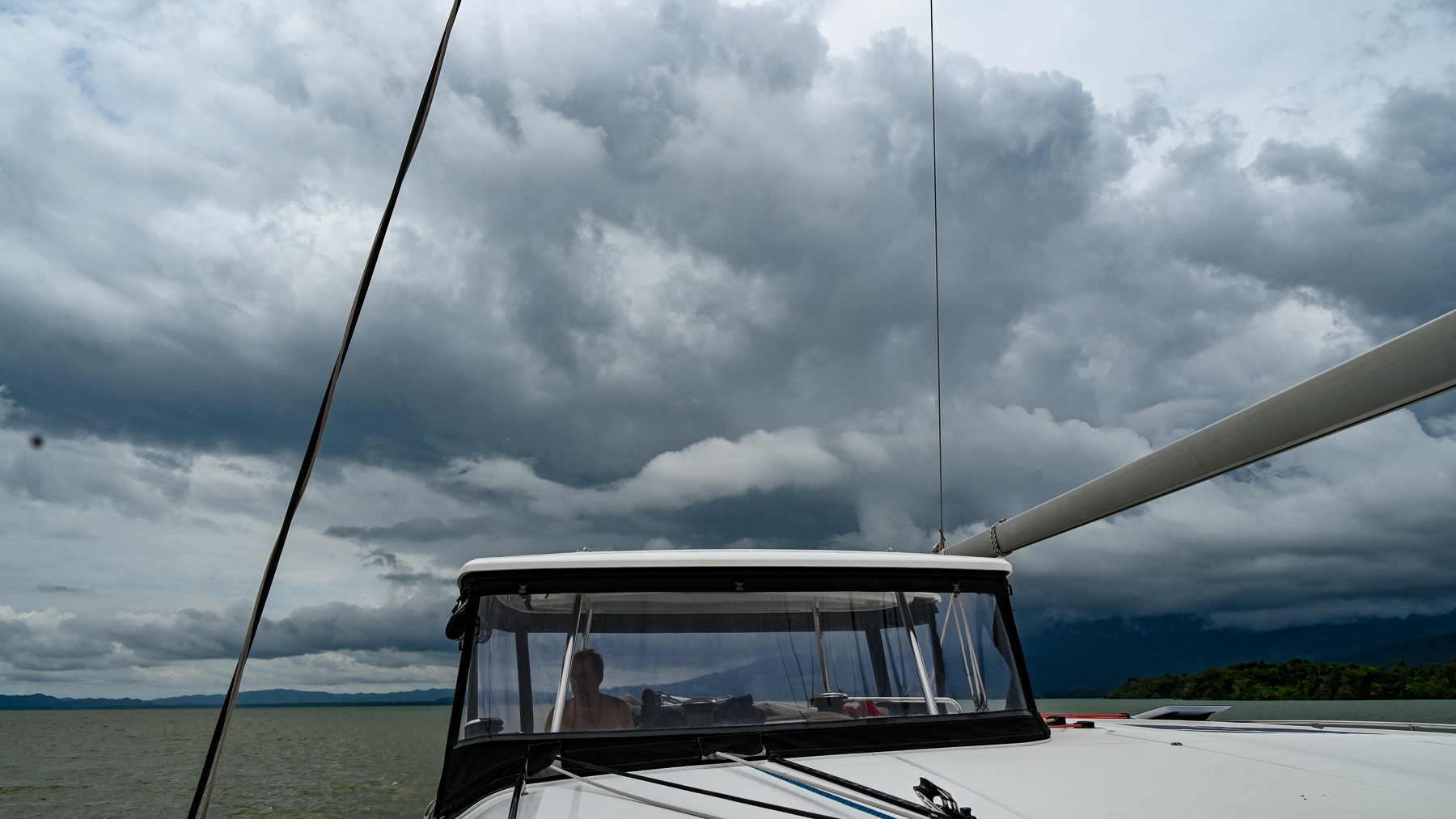
Lightning on the way to the hurricane hole
Hurricane season has begun: We are heading for safety in Rio Dulce, Guatemala
By Renate Rüger, June 11, 2026
Guatemala – On Utila it’s slowly getting uncomfortable. Hurricane season has begun. Several storms and thunderstorms are forecast throughout Central America. It is time to set out and head with the Amira to safety in Rio Dulce (Guatemala). Even when we were on Utila, the westernmost island of the Islas de la Bahía in Honduras, so far have been spared a real storm by one. A low-pressure system is on its way.
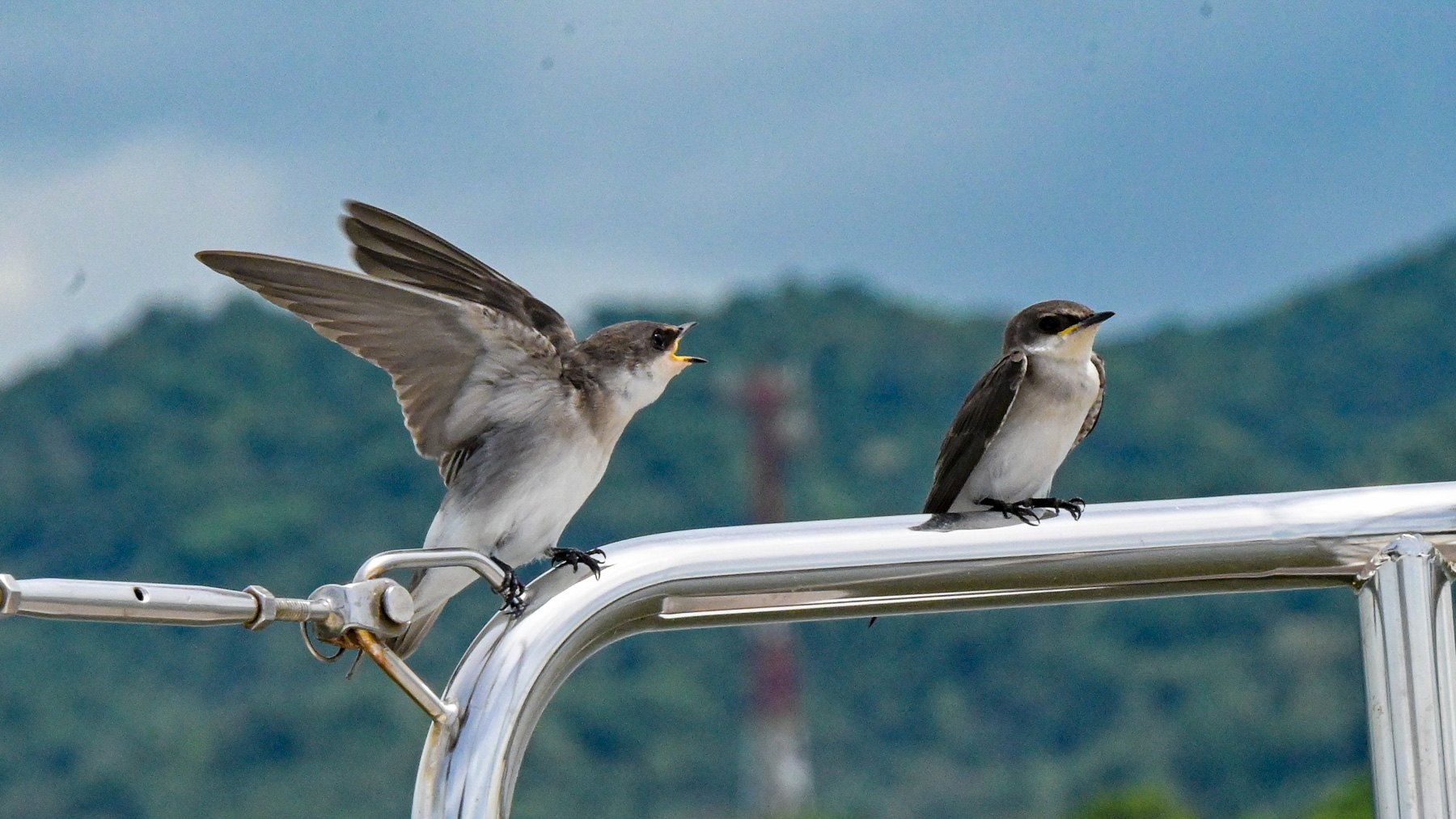
The replacement parts we ordered for Utila arrive on the ferry just in time. Peter installs the new depth gauge right away. The old one had given out at the Cayos Cochinos—even though we’d bought it just a few months earlier in Belize and replaced our previous depth gauge with it. Peter also unpacks the gasket for the toilet in our cabin right away to see if he can use it. Since then, the toilet has been working again—at least in theory. Because now the water pump has stopped working.
No water without a hammer blow
Not a drop of water is coming out of the taps anymore either. After a lot of back and forth, we find the culprit: it’s the water pressure switch built into the pump. With hammer blows, Peter sets it and thus the pump back in motion. But as soon as we stop running the water, the switch gets stuck again. Every time we need water now, we first have to open the taps and reach for the hammer. Cooking, washing up, and every trip to the toilet are now carefully planned. But that’s not so bad, we’ll be at the marina soon.
The approaching low brings shifting winds. Instead of the usual trade wind from the east, a wind is blowing from the west. It blows gently against us, so sailing is not possible. We are motoring with the genoa – a hybrid approach. We only have to pull in this headsail occasionally. Everything is okay.
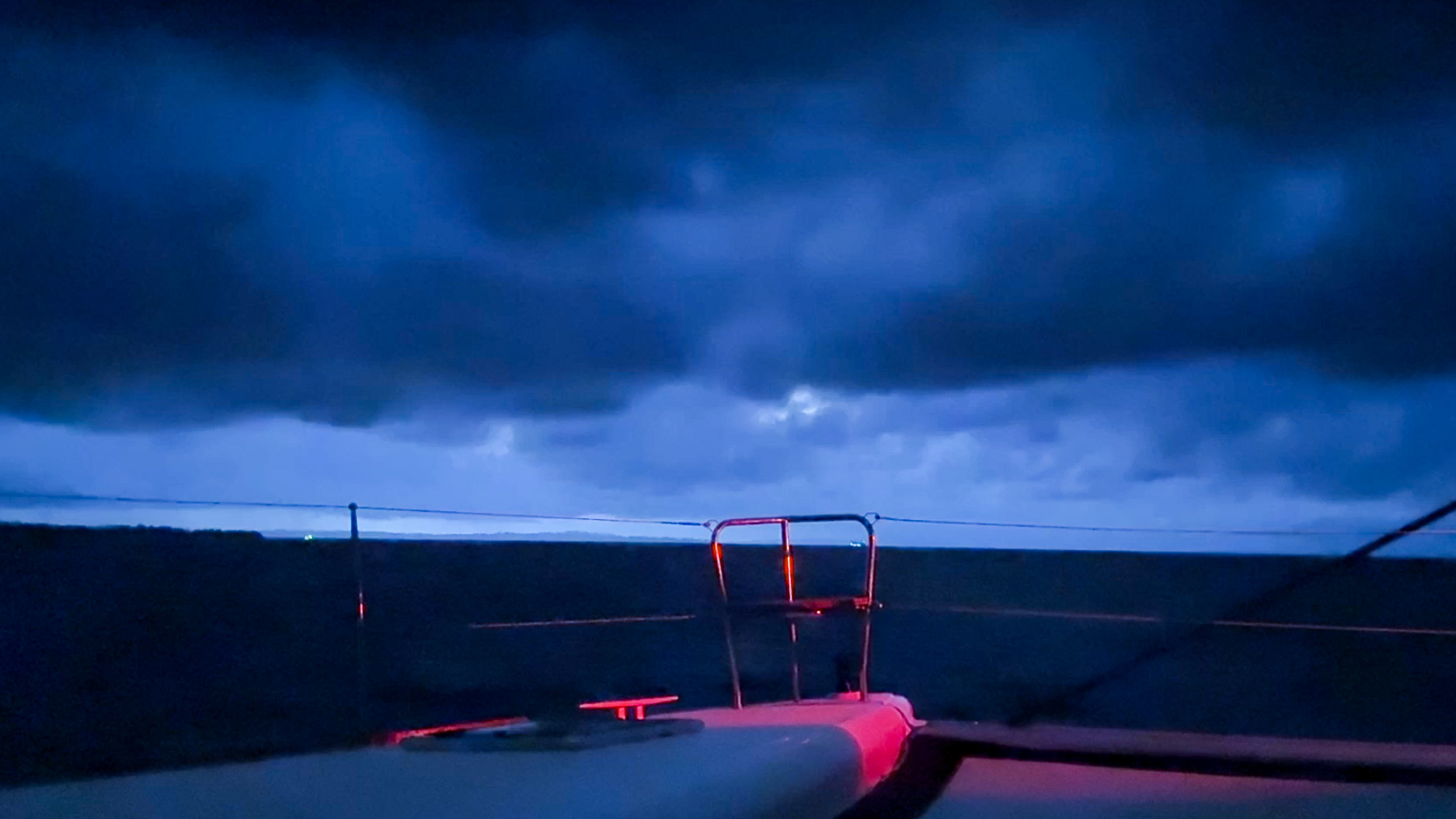
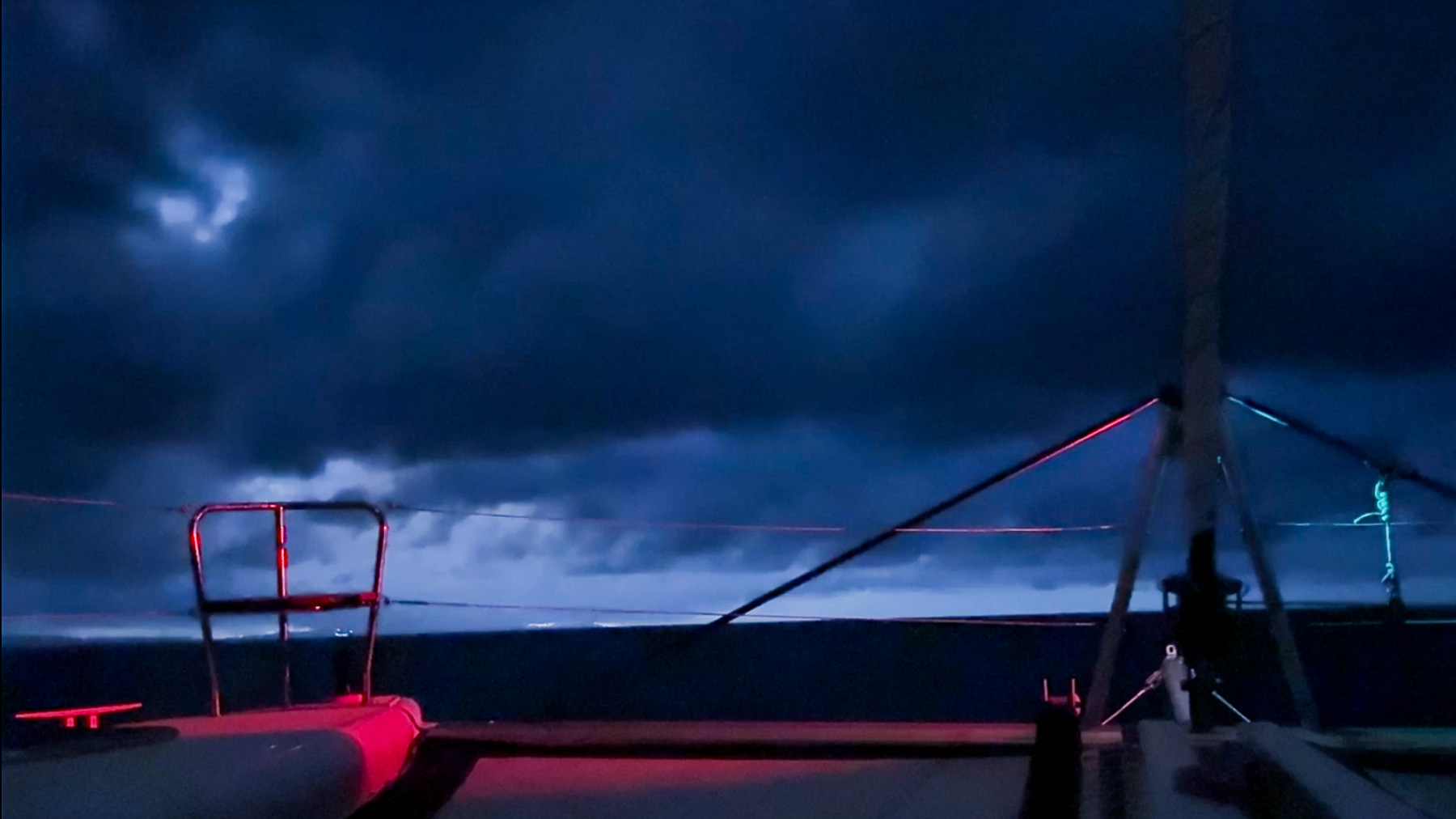
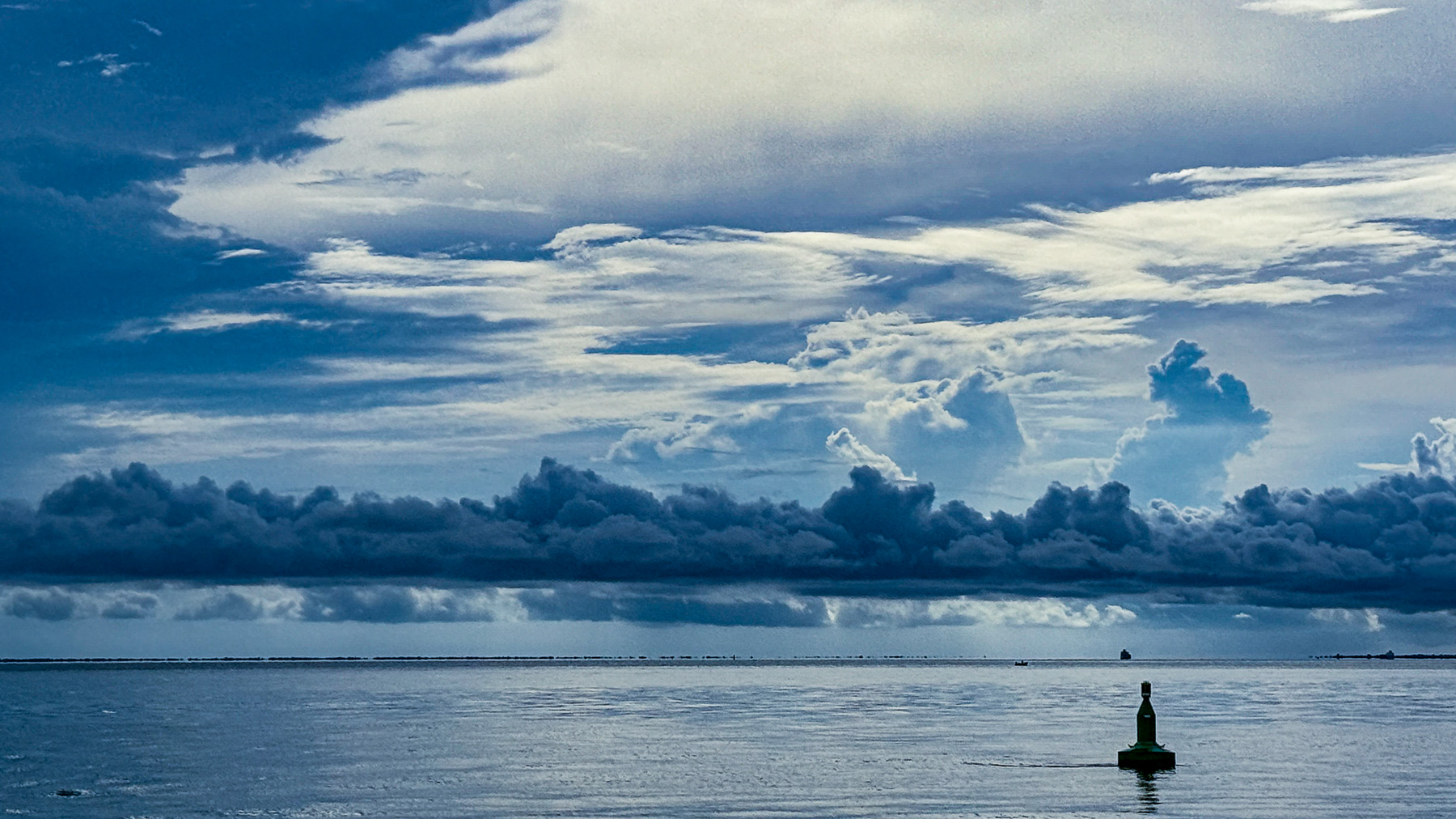
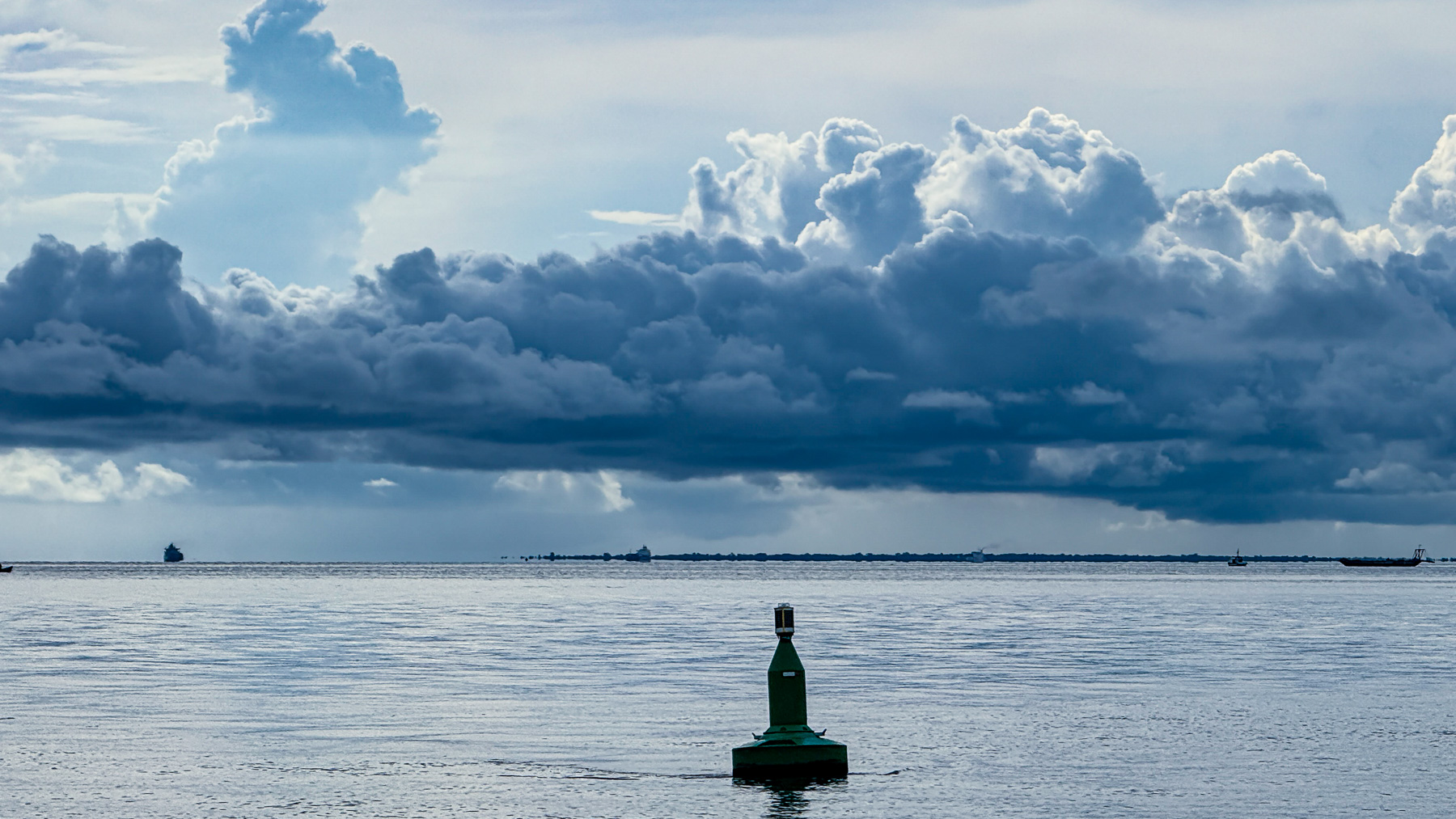
The night is black. Without moonlight, we can’t distinguish the sea and the sky. It’s as if we were driving into a large, deep, dark hole. Suddenly it gets bright. One flash of lightning follows the next. Rain seems to be pouring down over the Honduran mainland. Thunder is not or hardly audible on the Amira, so the actual thunderstorm seems far away. Every minute, lightning brightens the white deck of the boat. As we approach the Cabo Tres Puntas spit of land, two large freighters appear on our screen (plotter), turning the corner. One is heading straight for us at 16 knots. I radio him, he doesn’t answer. My second attempt fails too. But the other freighter responds. A man advises us in perfect British English to head for the Tres Puntas anchorage first and not go directly to Livingston, where we have to clear into Guatemala. We follow his advice. In the meantime, the other freighter has changed its course, so there are no problems. We arrive at Tres Puntas at 1 AM, and at 4:30 AM we continue to Livingston – so that the sandbar we have to cross still has enough high tide water over it.
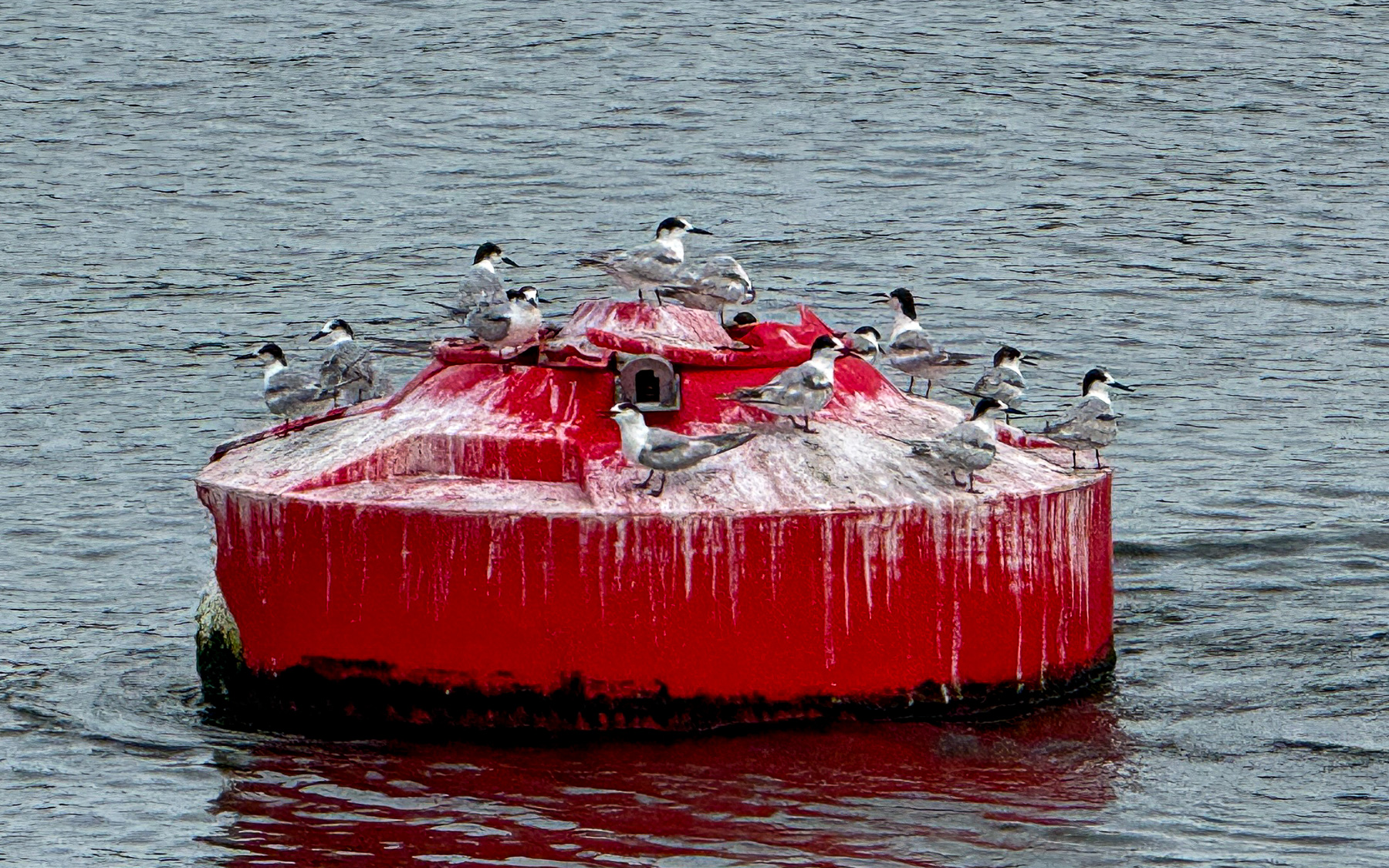
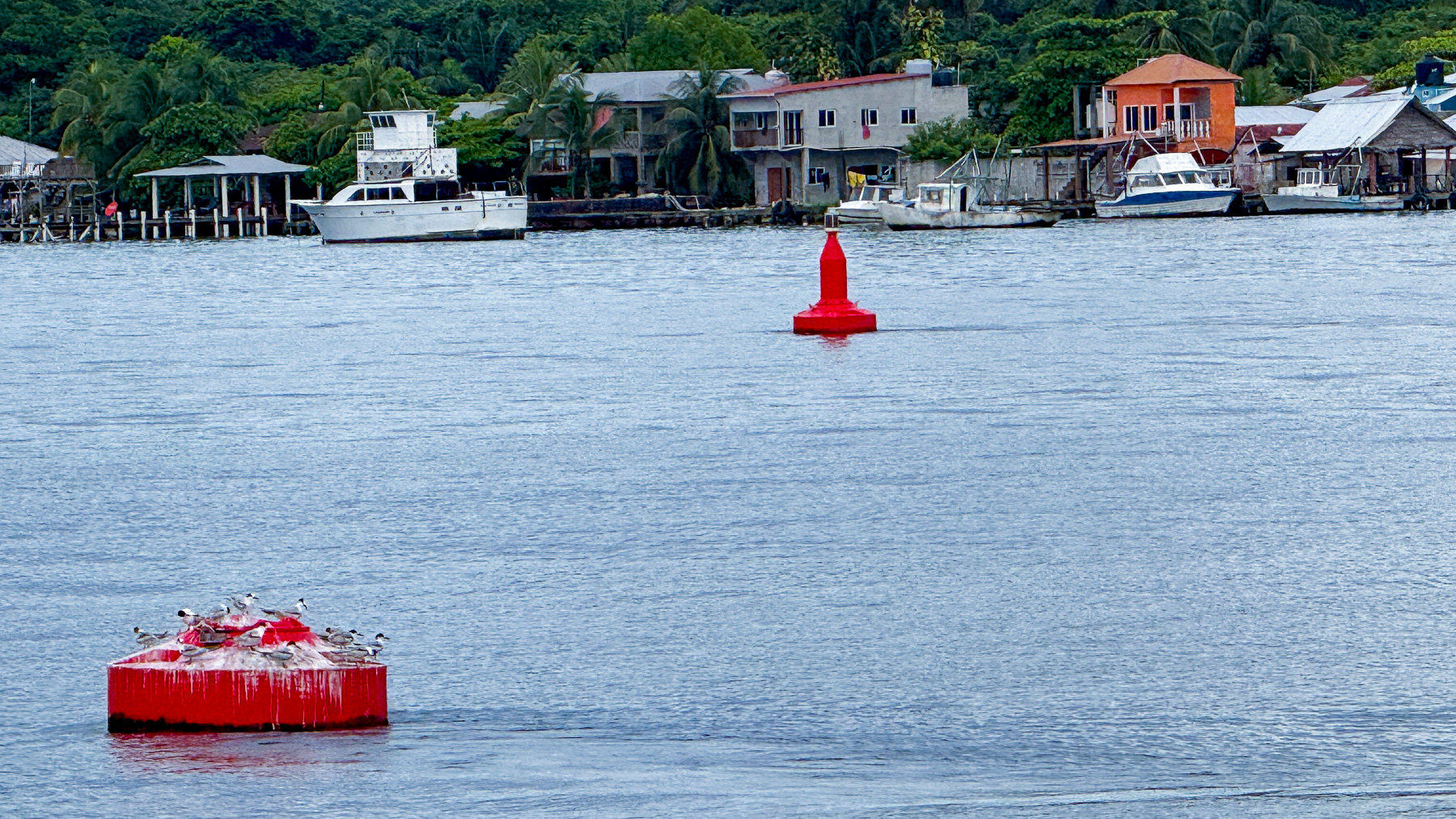
We are back home – that’s how it feels. And yet it’s different. The red and white buoy that marks the sandbar off Livingston is no longer alone. The path is now clearly marked with red and green buoys. How nice, we are thrilled and at the same time amazed that some buoys have already been rammed, run over, and decapitated by boats. Gulls have now taken possession of these buoys.
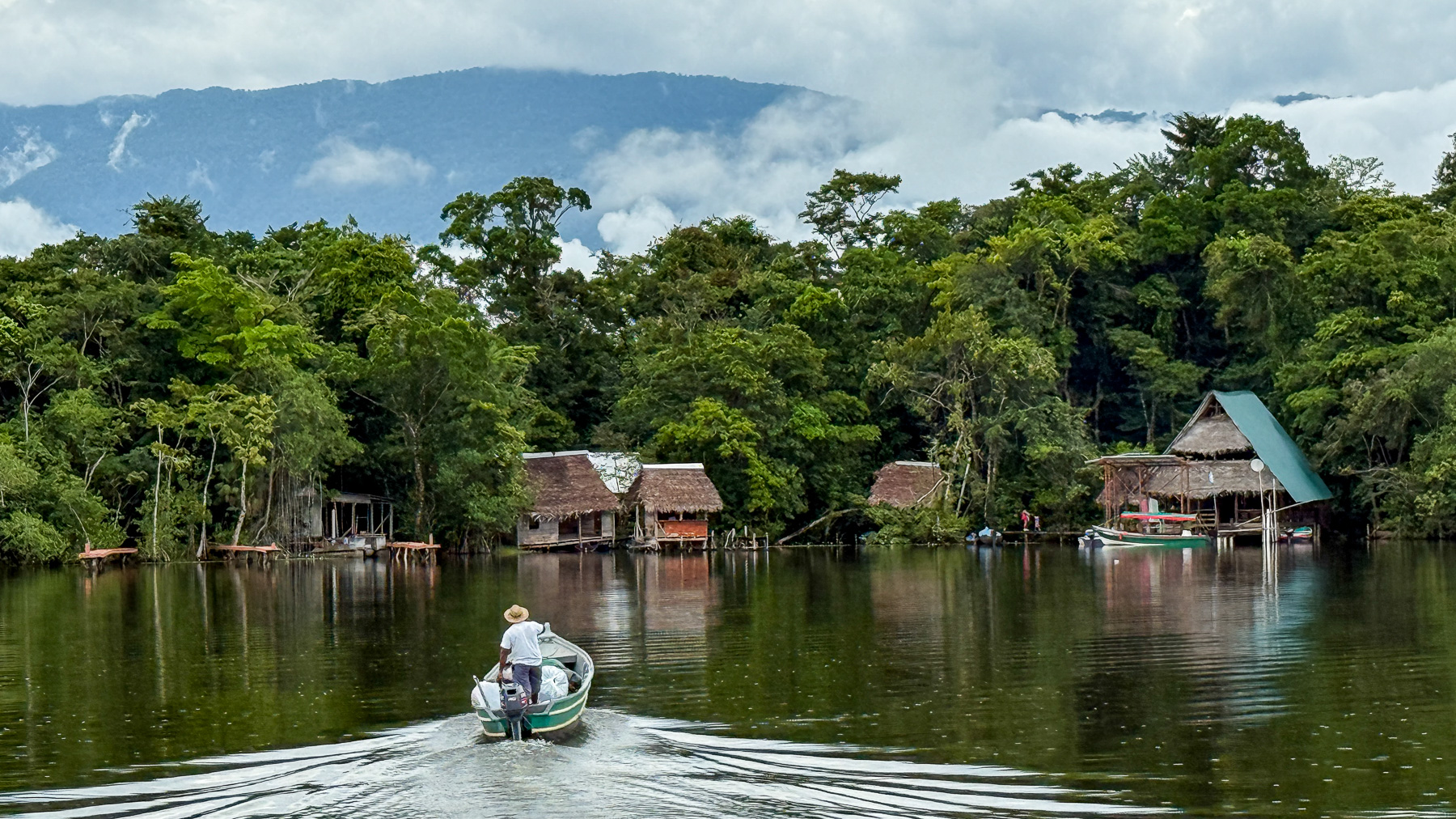
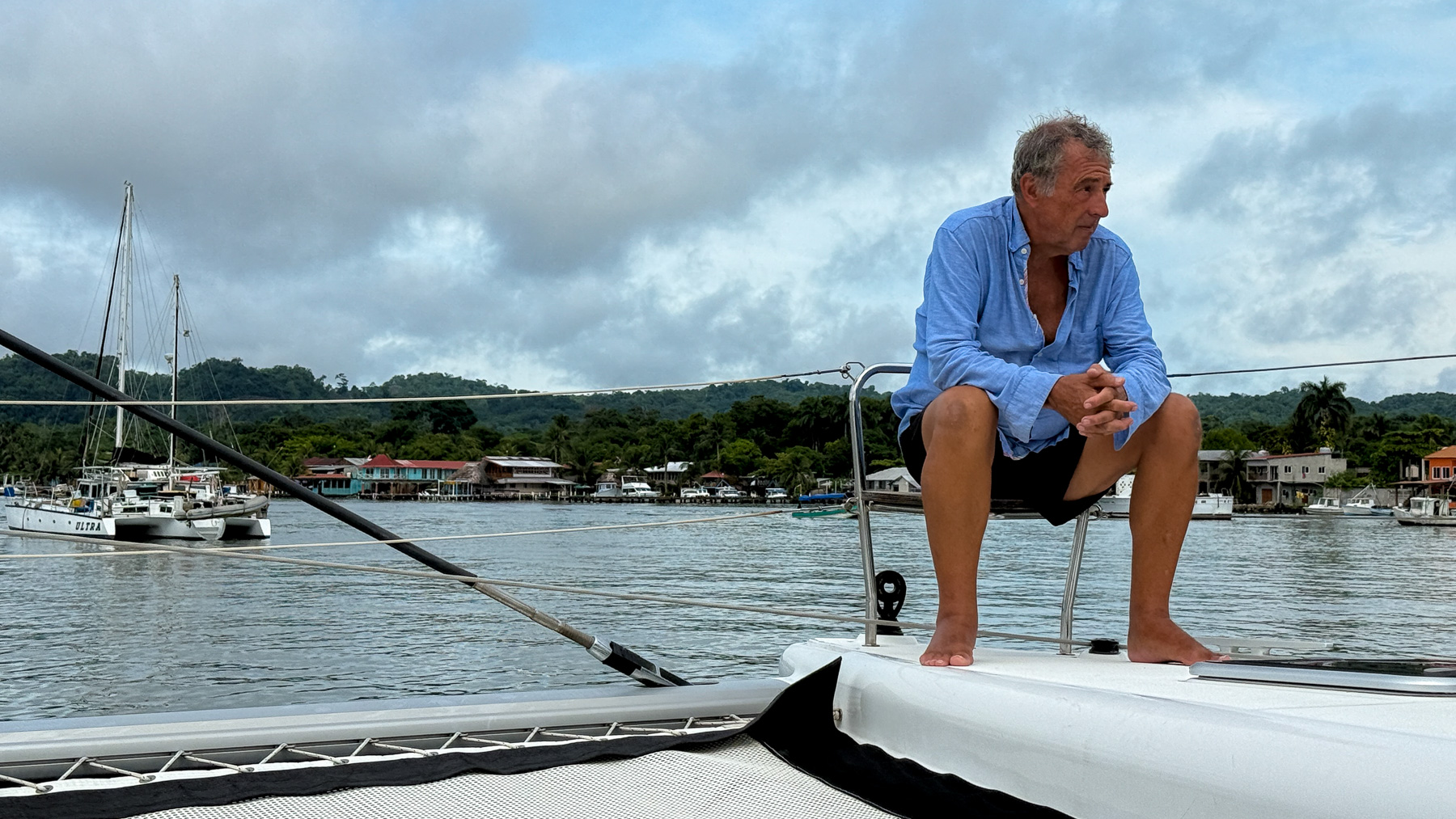
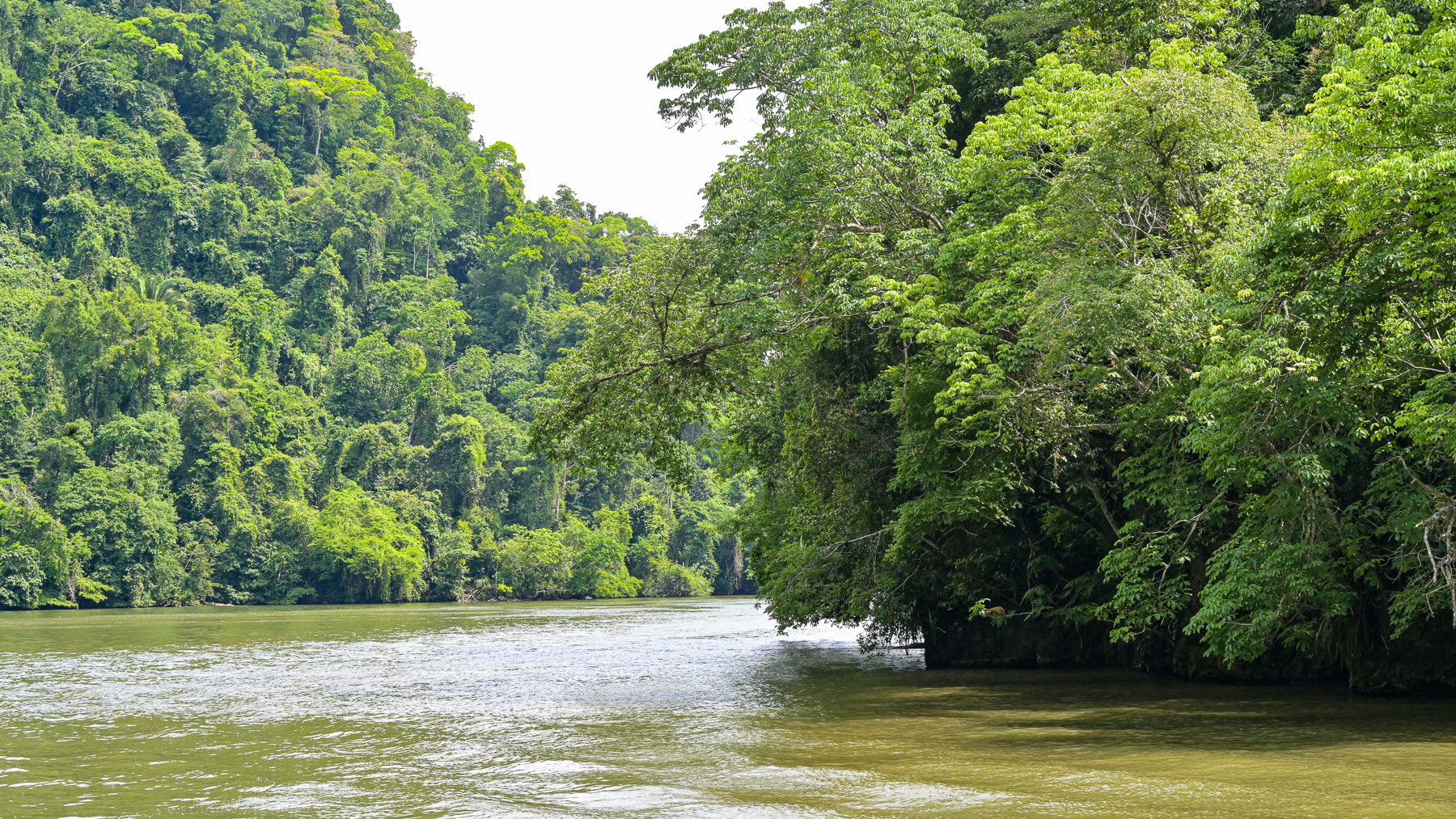
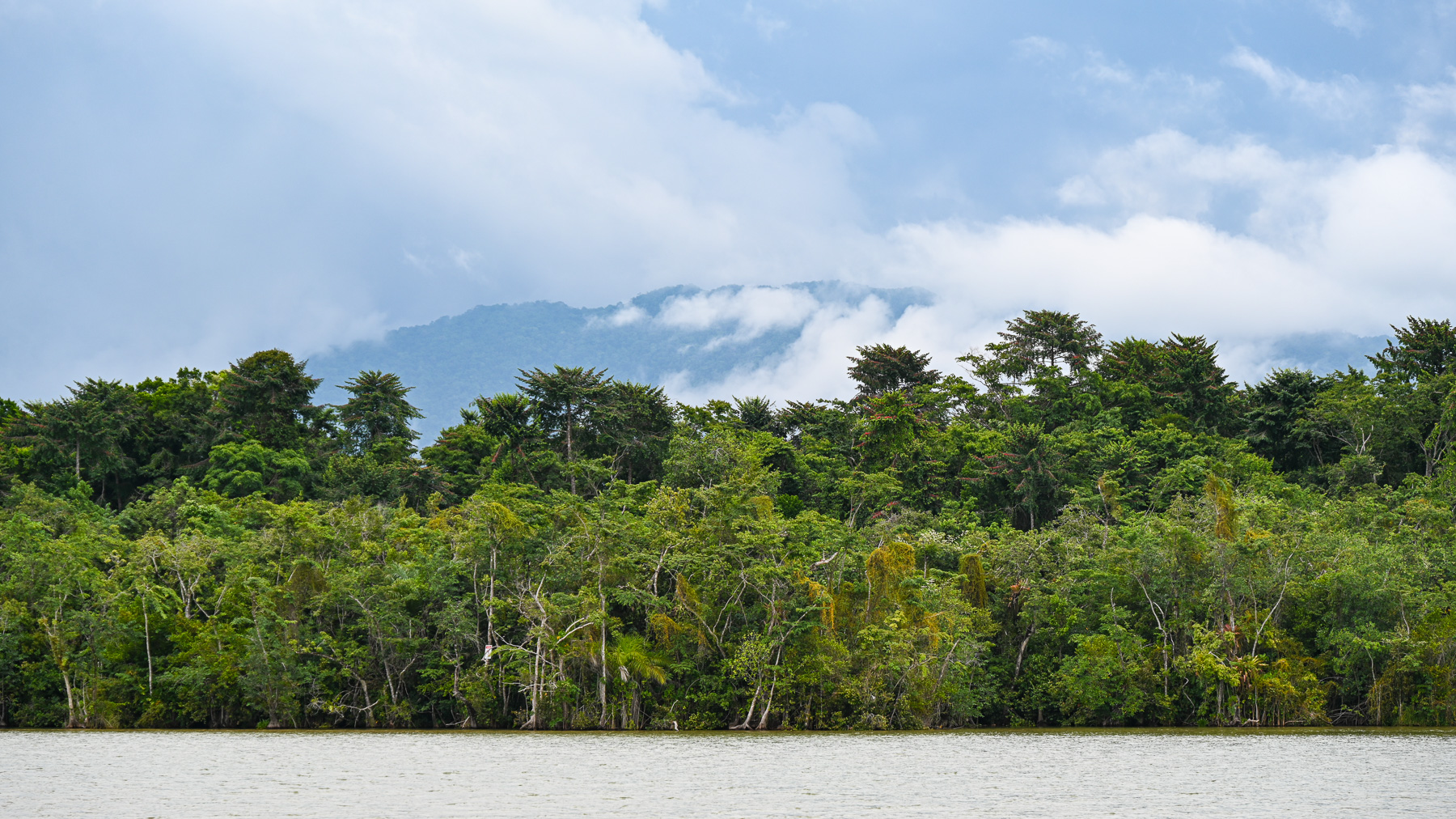
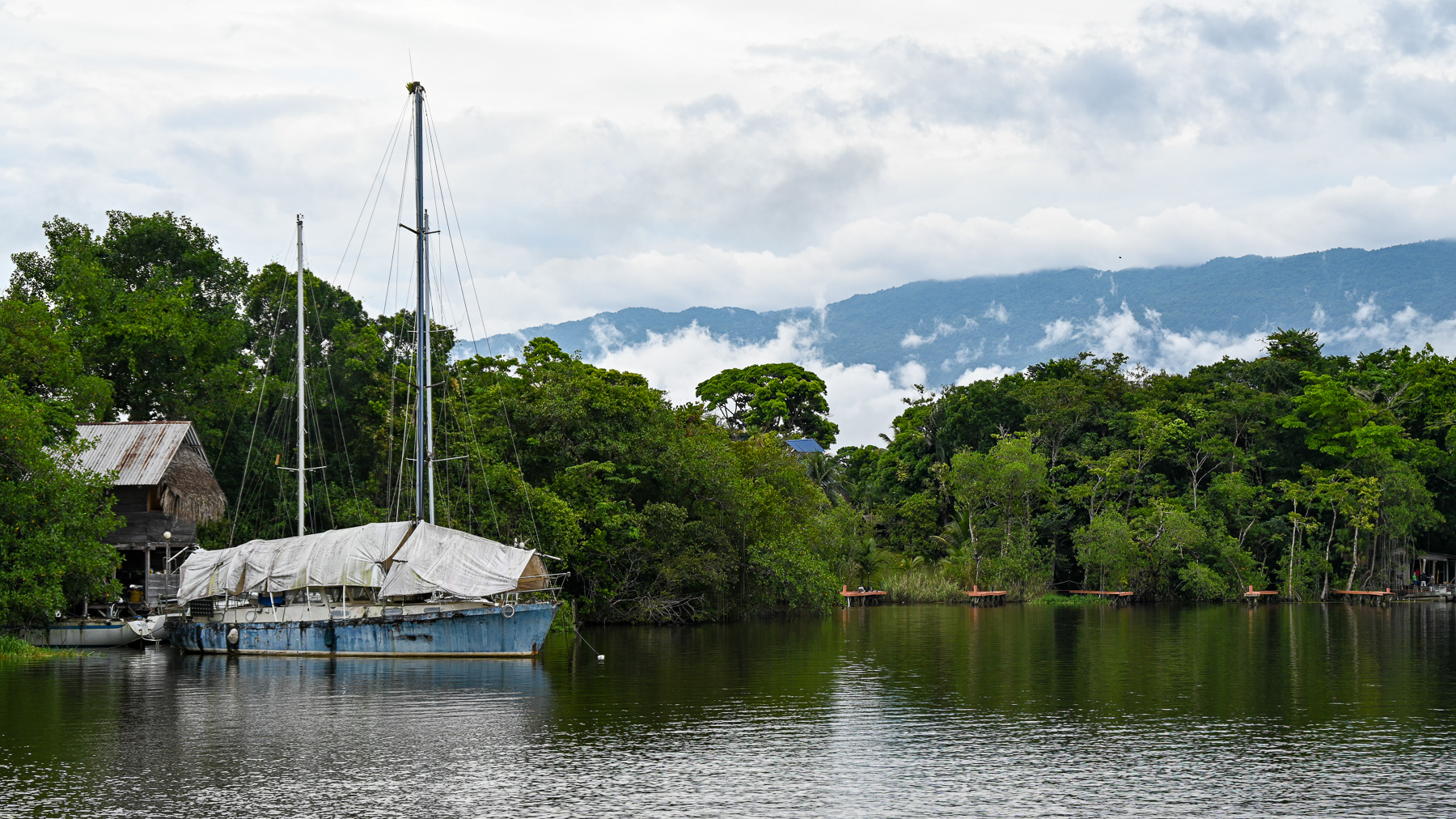
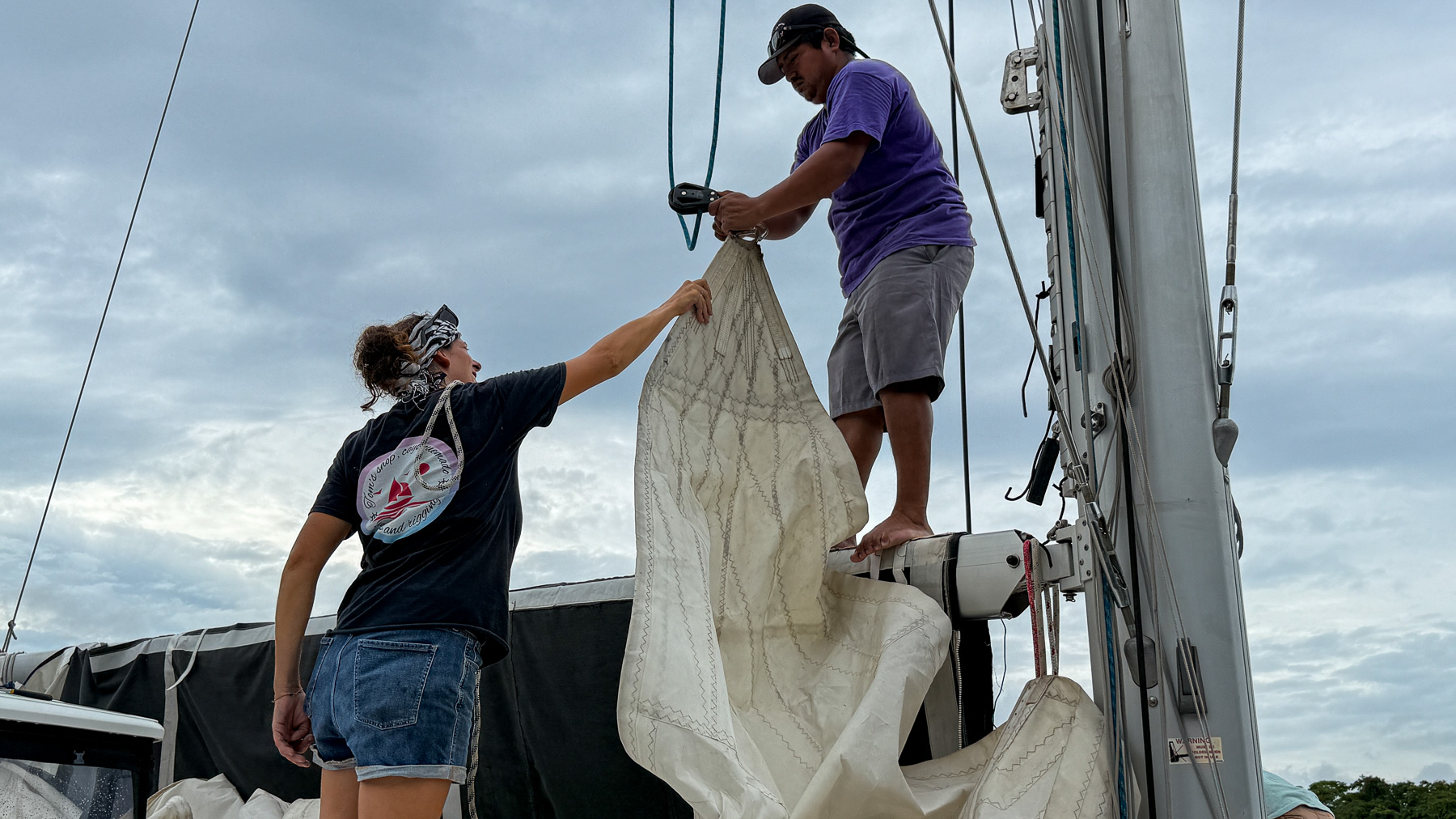
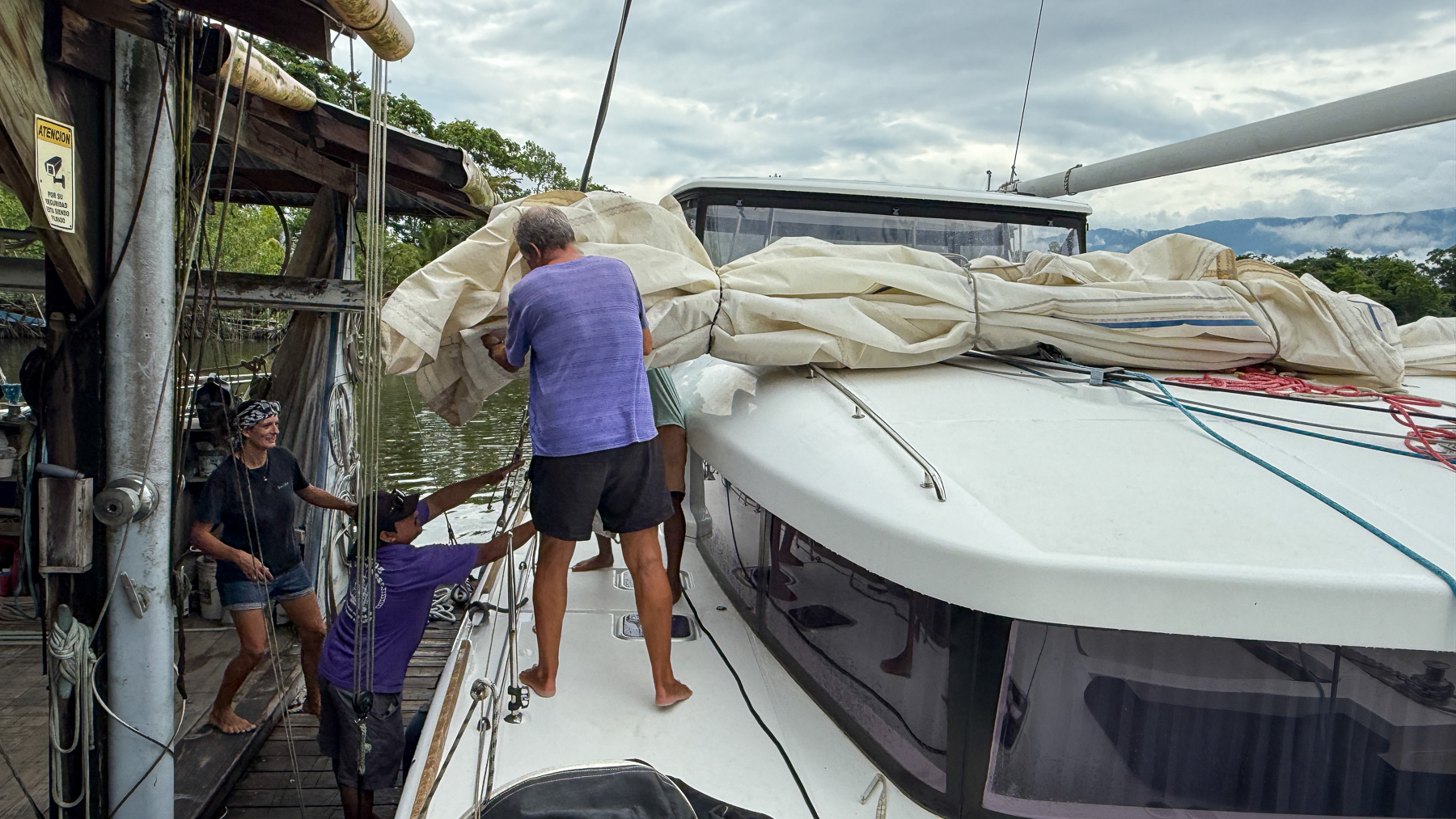
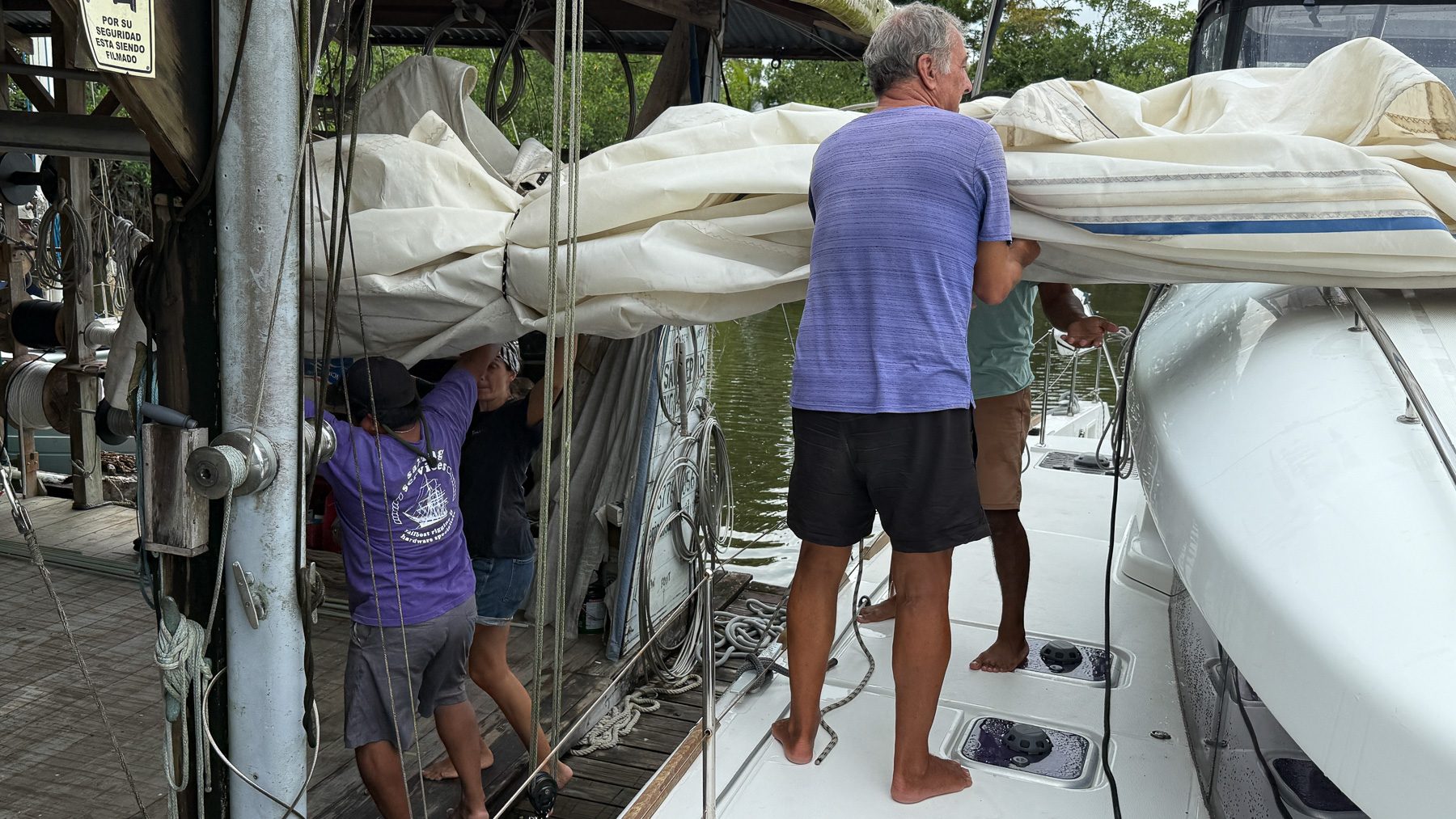
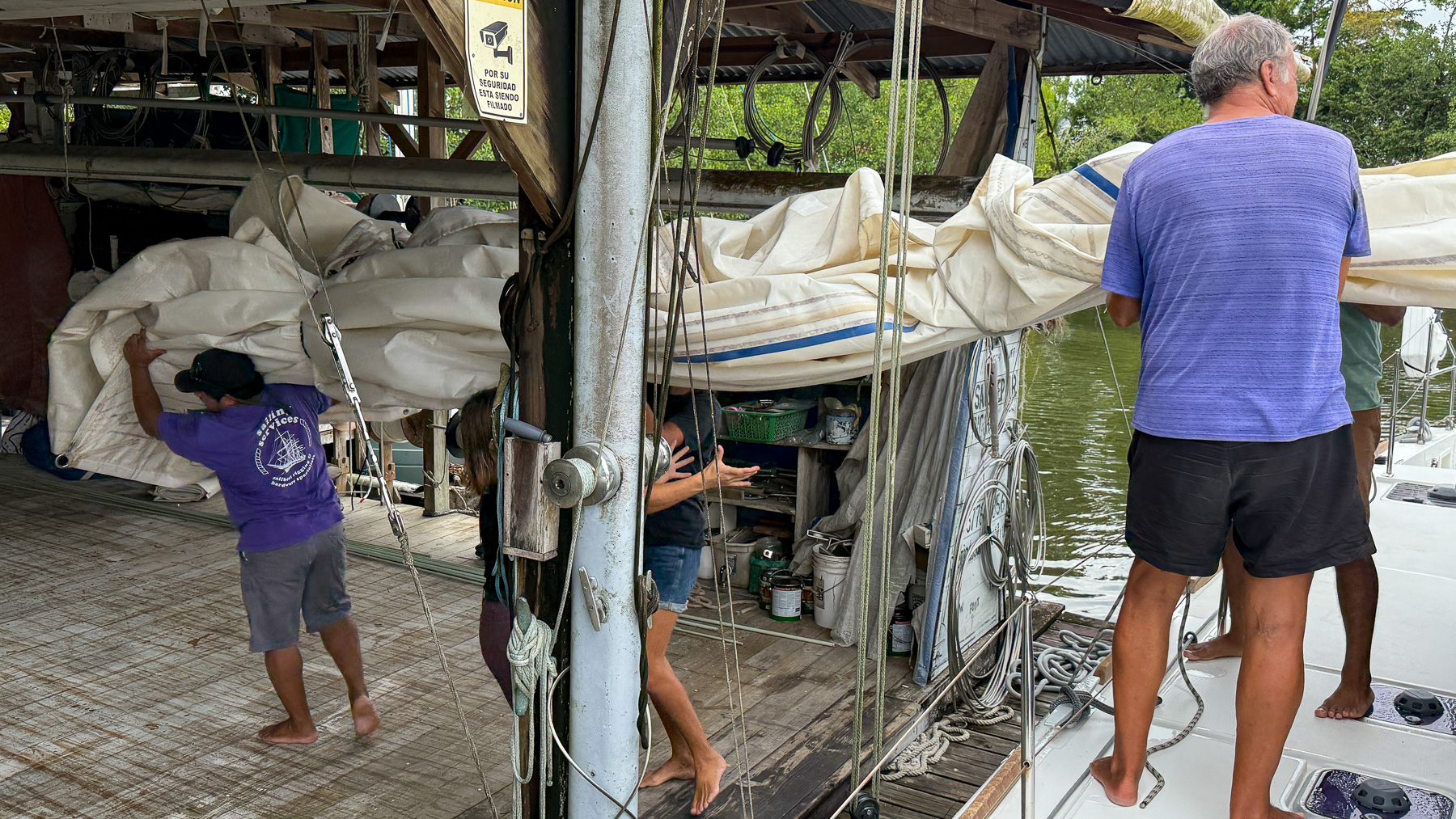
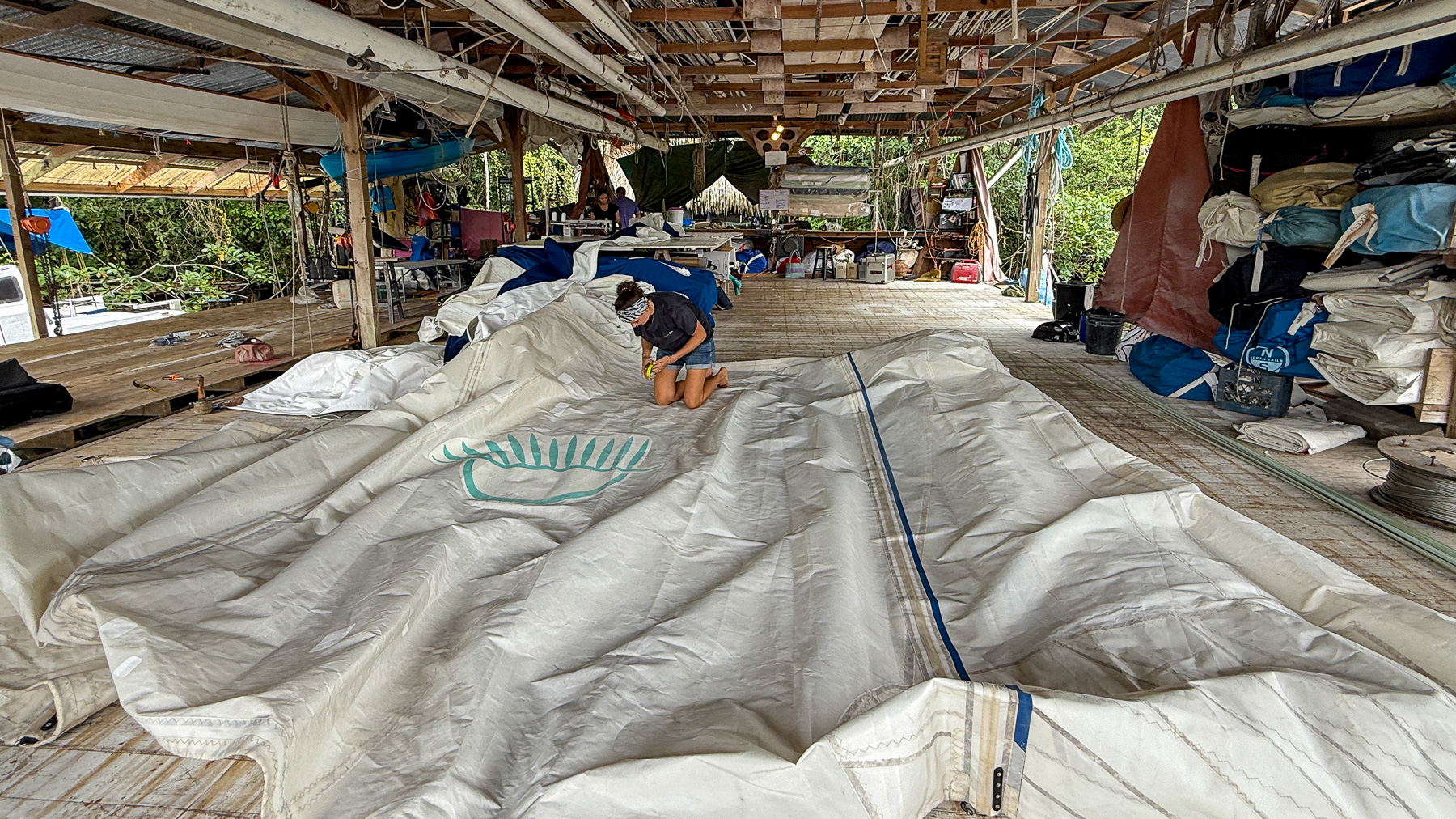
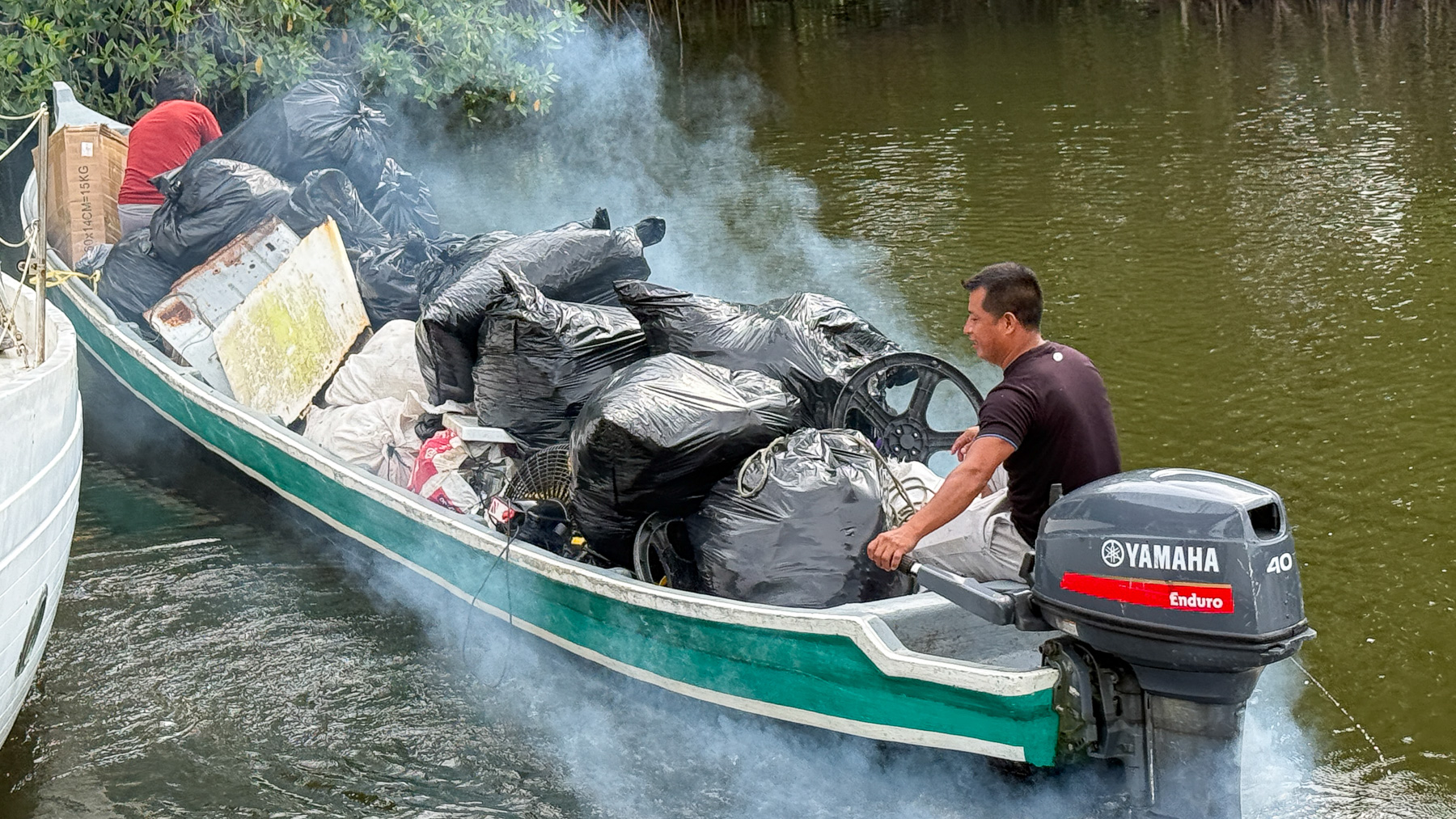
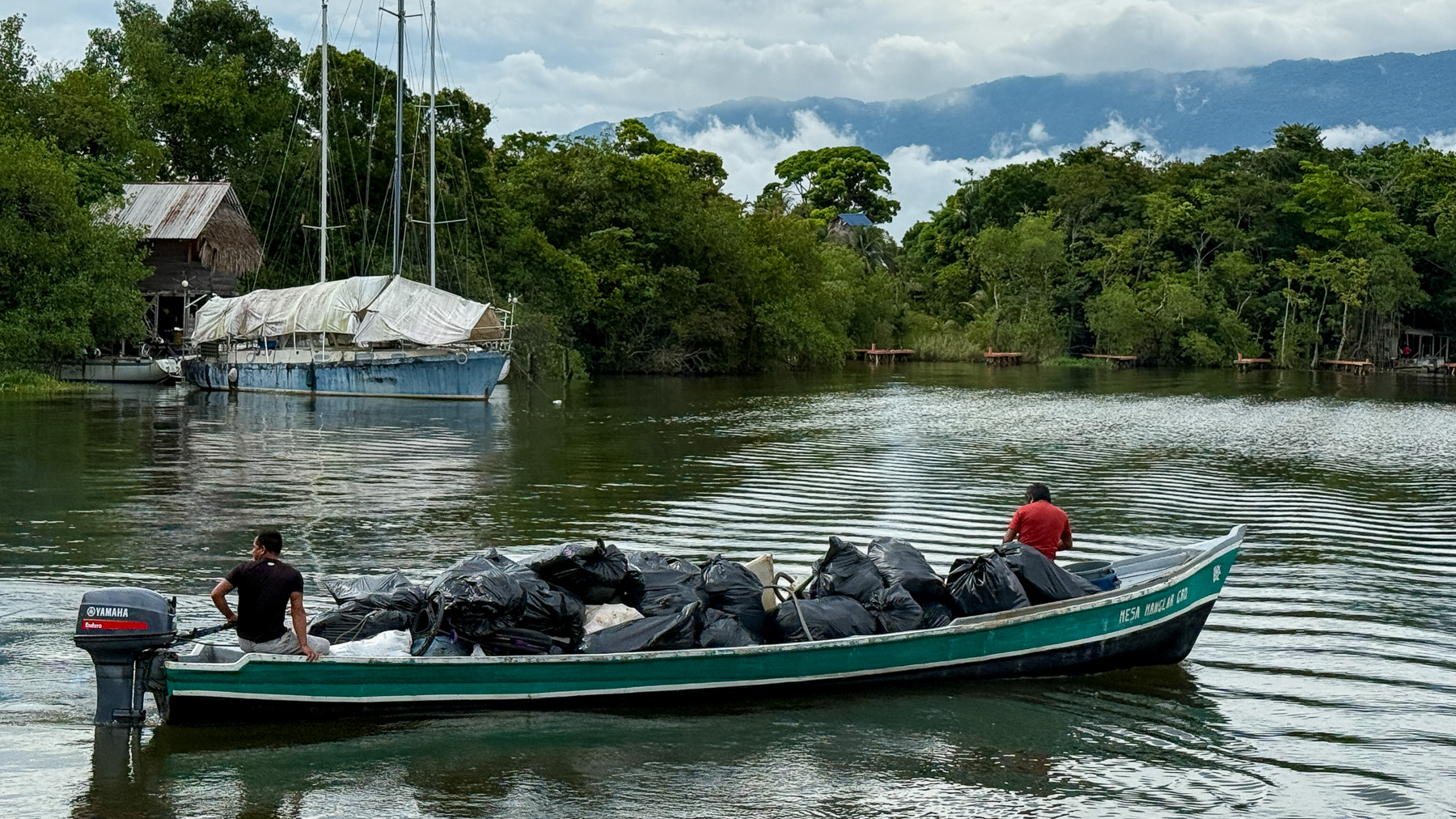
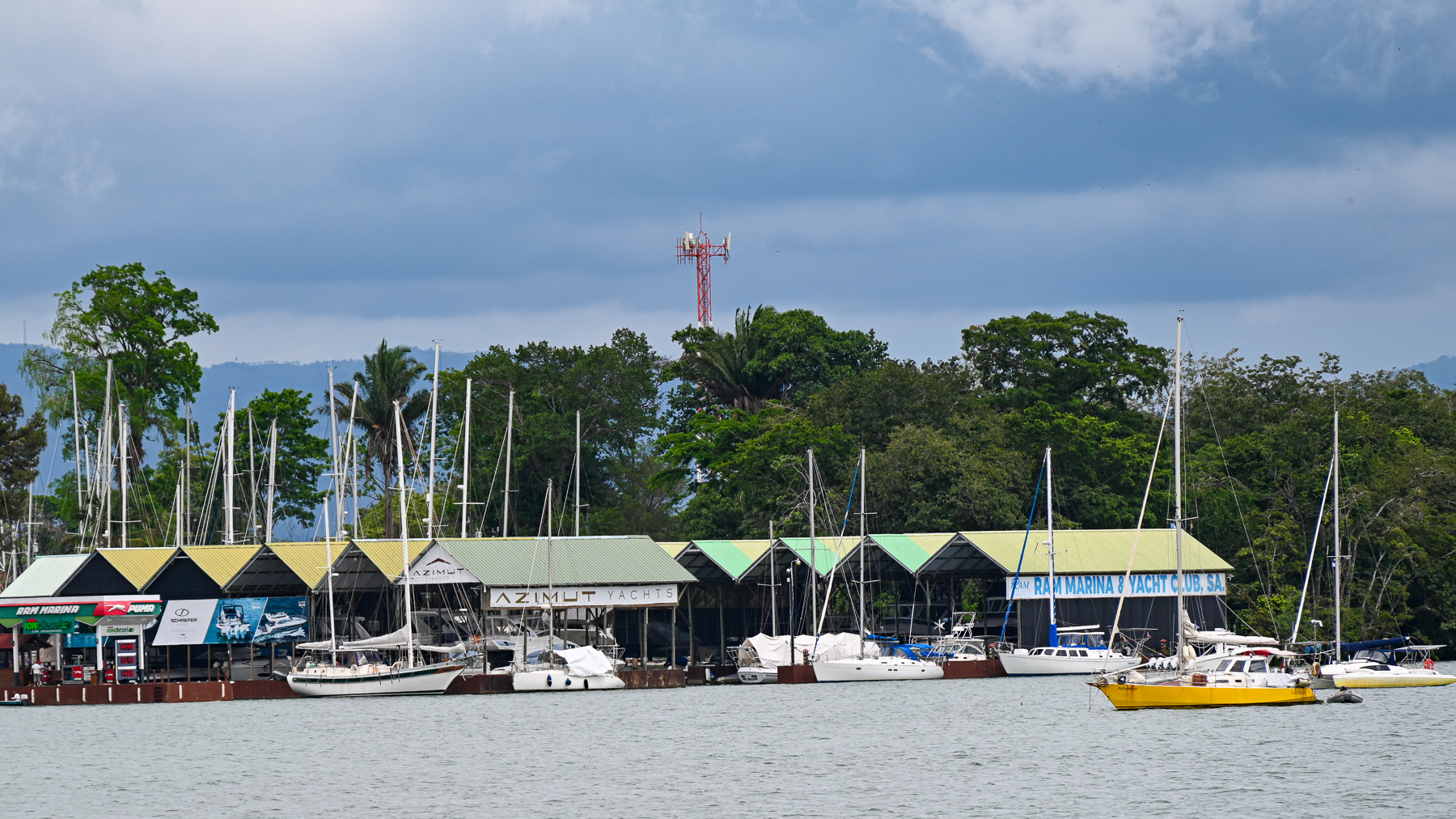
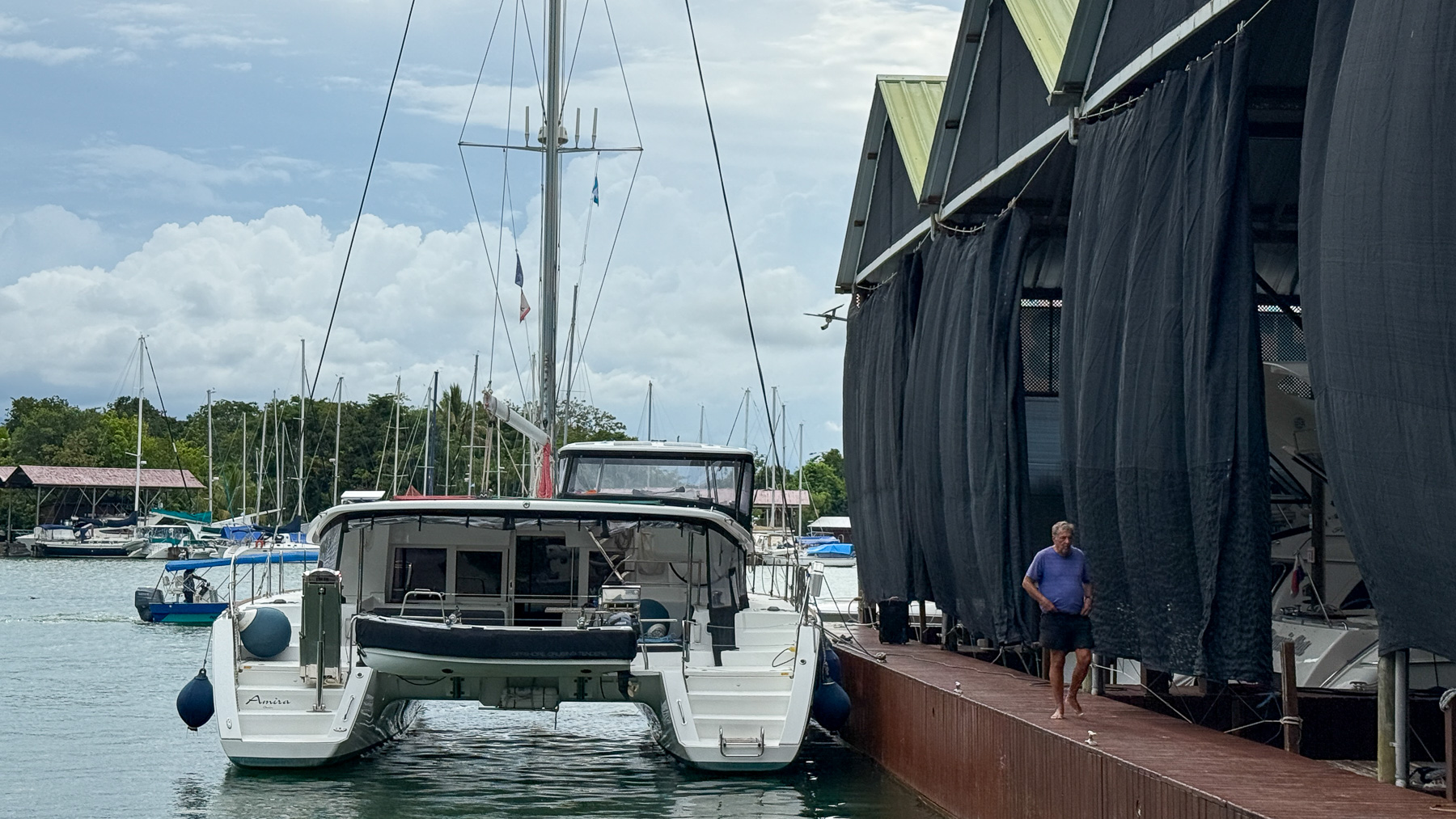
By now, we know the way along the Rio Dulce almost by heart. In idyllic Cayo Quemado, we stay overnight again at the dock of the French sailmaker Chloé, who takes down our two sails with her team the next day. She will repair and store them while we are at the marina shipyard. We also get rid of our trash bag there: the garbage boat takes it with them. The boat comes by Cayo Quemado once a month, which is far too little, Chloé explains. Just as joyfully as she greets us, Karen, manager of the RAM Marina, welcomes us a day later. It’s high time we arrived here, because by now even the hammer blows are no longer enough to get water in the Amira. And then, here in the well-known hurricane hole, we immediately meet many old sailing friends and acquaintances. Yes, this feels like home.